
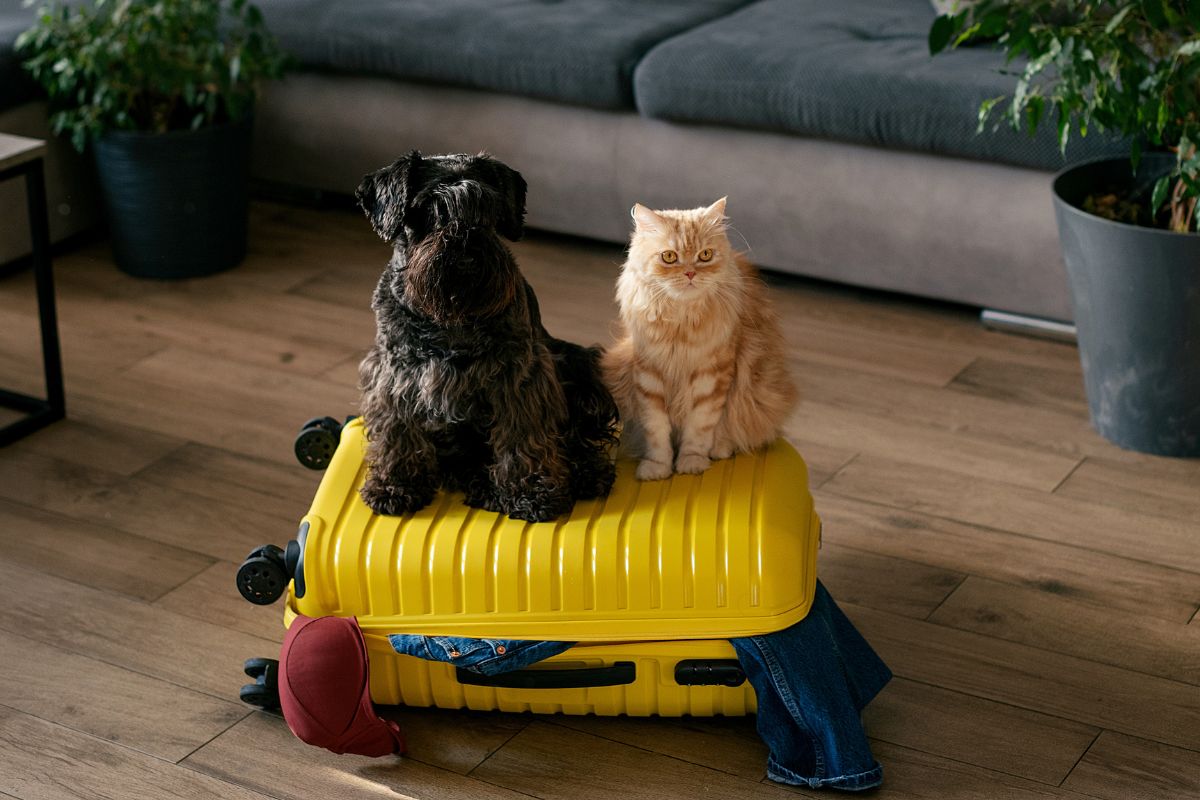
Summer road trips can be exciting for both pets and their owners. Whether you are planning a weekend getaway, visiting family, or taking a longer vacation, traveling with pets requires careful preparation to keep them safe and comfortable during warm-weather travel. Long car rides, high temperatures, unfamiliar environments, and schedule changes can all create stress or health risks for dogs and cats.
At Borash Veterinary Clinic, many pet owners ask how to prepare their pets for summer travel safely. Understanding the most common travel-related risks and taking preventive steps before your trip can help reduce emergencies and make travel more enjoyable for both pets and their families.
For pet owners in Peabody, MA, following proper summer travel safety practices can help dogs and cats stay safer, healthier, and more comfortable during road trips of any distance.
Why Summer Travel Can Be Stressful for Pets
Travel introduces pets to unfamiliar surroundings, changing temperatures, new sounds, and altered routines. While some pets adapt easily, others may become anxious or physically uncomfortable during long drives.
Common summer travel risks include:
- Overheating
- Dehydration
- Motion sickness
- Anxiety or stress
- Digestive upset
- Escaping from unfamiliar environments
Planning ahead helps reduce these risks and supports a smoother travel experience.
Secure Pets Properly Inside the Vehicle
Allowing pets to roam freely inside the car can increase the risk of injury during sudden stops or accidents.
Safe Travel Options Include:
- Crash-tested pet harnesses
- Secured travel crates
- Ventilated pet carriers
- Safety barriers for larger dogs
Cats should always remain inside secure carriers while traveling. Proper restraint also helps minimize distractions for the driver.
Never Leave Pets in a Parked Vehicle
One of the most important summer travel rules is to never leave pets unattended inside a parked car.
Even with cracked windows, temperatures inside vehicles can rise dangerously within minutes. Heatstroke may develop quickly and become life-threatening.
If you need to stop during travel, ensure someone stays with the pet while the vehicle remains cool and ventilated.
Pack a Pet Travel Safety Kit
Having essential supplies readily available can help pets remain comfortable during long trips.
Important Travel Supplies Include:
- Fresh water and portable bowls
- Pet food and treats
- Medications
- Leash and harness
- Waste bags
- Towels or blankets
- Medical records
- Updated ID tags and microchip information
Familiar toys or bedding may also help reduce stress during travel.
Schedule Frequent Rest Breaks
Dogs benefit from regular breaks during extended road trips.
Benefits of Rest Stops:
- Allow pets to stretch and move safely
- Provide bathroom breaks
- Prevent overheating
- Encourage hydration
- Reduce anxiety and restlessness
Most dogs benefit from breaks every two to four hours during long drives.
Cats generally travel better with fewer interruptions but should still be monitored carefully for signs of distress.
Keep Pets Hydrated During Summer Travel
Dehydration is one of the most common warm-weather travel concerns for pets.
Hydration Tips for Road Trips:
- Offer water regularly during breaks
- Keep fresh water available inside the vehicle
- Avoid excessive activity during peak heat
- Use cooling mats or fans if necessary
Some pets drink less while traveling due to stress, so owners should monitor water intake carefully.
Watch for Signs of Heat Stress
Pets can overheat rapidly during summer travel, especially in warm vehicles or during outdoor stops.
Common Signs of Overheating:
- Excessive panting
- Drooling
- Weakness
- Vomiting
- Bright red gums
- Difficulty breathing
If your pet shows signs of overheating:
- Move them to a cool area immediately
- Offer small amounts of cool water
- Use cool towels on the paws and abdomen
- Seek veterinary attention as soon as possible
Prompt veterinary care is critical when heatstroke is suspected.
Help Reduce Motion Sickness and Travel Anxiety
Some pets experience anxiety, pacing, drooling, or nausea during car rides.
Ways to Reduce Travel Stress:
- Take short practice rides before longer trips
- Keep the vehicle calm and quiet
- Feed smaller meals before departure
- Bring familiar blankets or toys
- Use veterinarian-approved calming products if recommended
For pets with severe travel anxiety or motion sickness, veterinarians may recommend supportive treatment options before travel.
Protect Pets at Rest Stops and Hotels
Travel stops and overnight stays can expose pets to unfamiliar hazards.
Safety Tips While Traveling:
- Keep pets leashed outdoors
- Check pavement temperatures before walks
- Prevent access to unfamiliar foods or trash
- Supervise pets around water or wildlife
- Never leave pets unattended in unfamiliar areas
Consistent supervision helps prevent injuries and accidental escapes.
Why Pre-Travel Veterinary Visits Matter
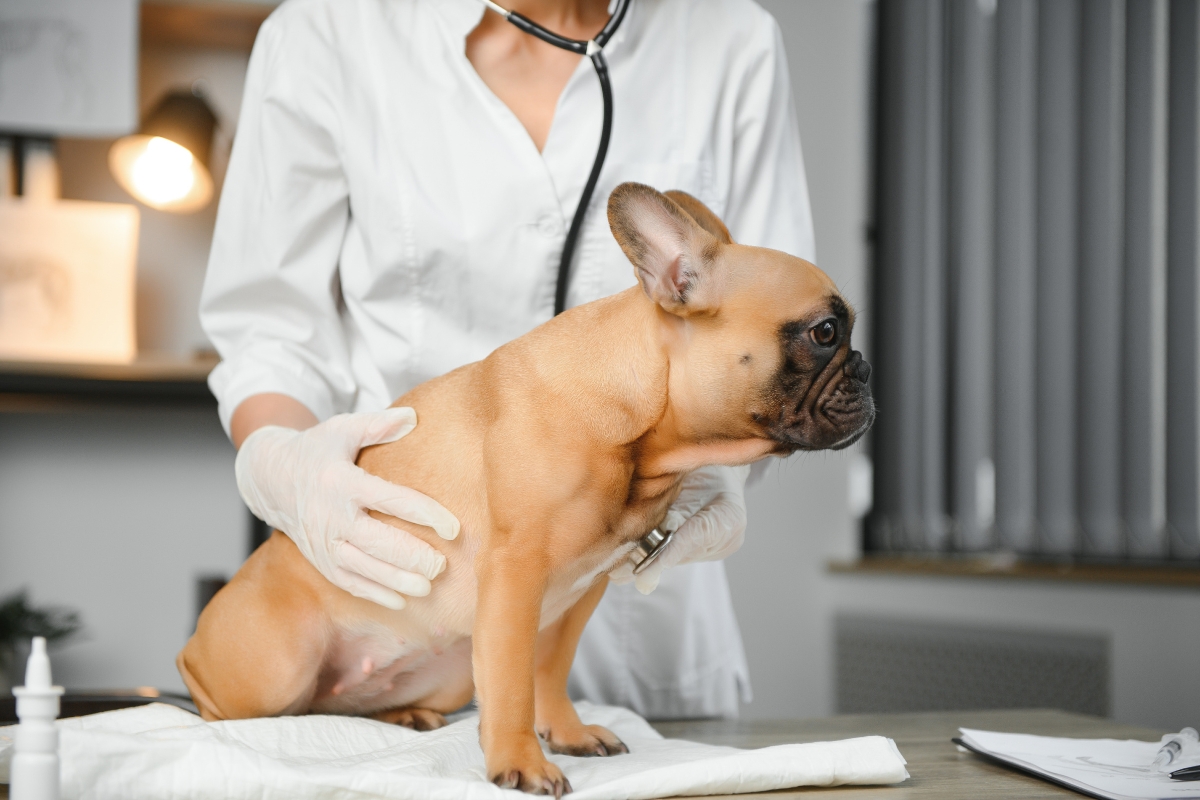
A veterinary checkup before travel helps ensure pets are healthy enough for summer road trips.
Veterinarians may evaluate:
- Vaccination status
- Parasite prevention needs
- Existing medical conditions
- Mobility concerns
- Travel anxiety issues
Routine veterinary care before travel may help reduce the risk of complications during the trip.
When to Contact a Veterinarian During Travel
Pet owners should seek veterinary attention if their pet develops:
- Persistent vomiting
- Severe diarrhea
- Difficulty breathing
- Signs of heatstroke
- Collapse or weakness
- Refusal to eat or drink
- Signs of pain or injury
Early treatment can help prevent more serious health problems.
For pet owners in Peabody, MA, preparing pets properly for summer travel can help create safer and less stressful road trips. At Borash Veterinary Clinic, our veterinary team provides wellness evaluations, preventive guidance, and personalized recommendations to help pets travel safely during the warmer months.
If your pet experiences travel anxiety, motion sickness, overheating, or other health concerns before an upcoming trip, schedule your appointment with Borash Veterinary Clinic. Our team can help you prepare for safe and comfortable summer travel with personalized support tailored to your pet’s individual needs.
Frequently Asked Questions
Q1. Is it safe for pets to travel long distances by car?
Ans. Yes. Most pets can travel safely when properly secured and given regular breaks, hydration, and supervision. Gradual adjustment to car rides may also help reduce travel-related stress.
Q2. How often should I stop during a road trip with my dog?
Ans. Most dogs benefit from breaks every two to four hours for bathroom use, stretching, hydration, and cooling down during warm weather travel.
Q3. Can cats safely travel in cars?
Ans. Yes. Cats should always travel in secure carriers with proper ventilation. Familiar bedding or toys may help reduce anxiety during longer trips.
Q4. What are the signs of heatstroke in pets?
Ans. Symptoms may include excessive panting, drooling, weakness, vomiting, bright red gums, collapse, or difficulty breathing. Heatstroke requires immediate veterinary attention.
Q5. Should I feed my pet before a long car ride?
Ans. Feeding smaller meals a few hours before travel may help reduce motion sickness or digestive upset. Avoid large meals immediately before departure.
Q6. What should I bring when traveling with pets in summer?
Ans. Important items include water, food, medications, leashes, waste bags, carriers, medical records, identification tags, and emergency veterinary contact information.