
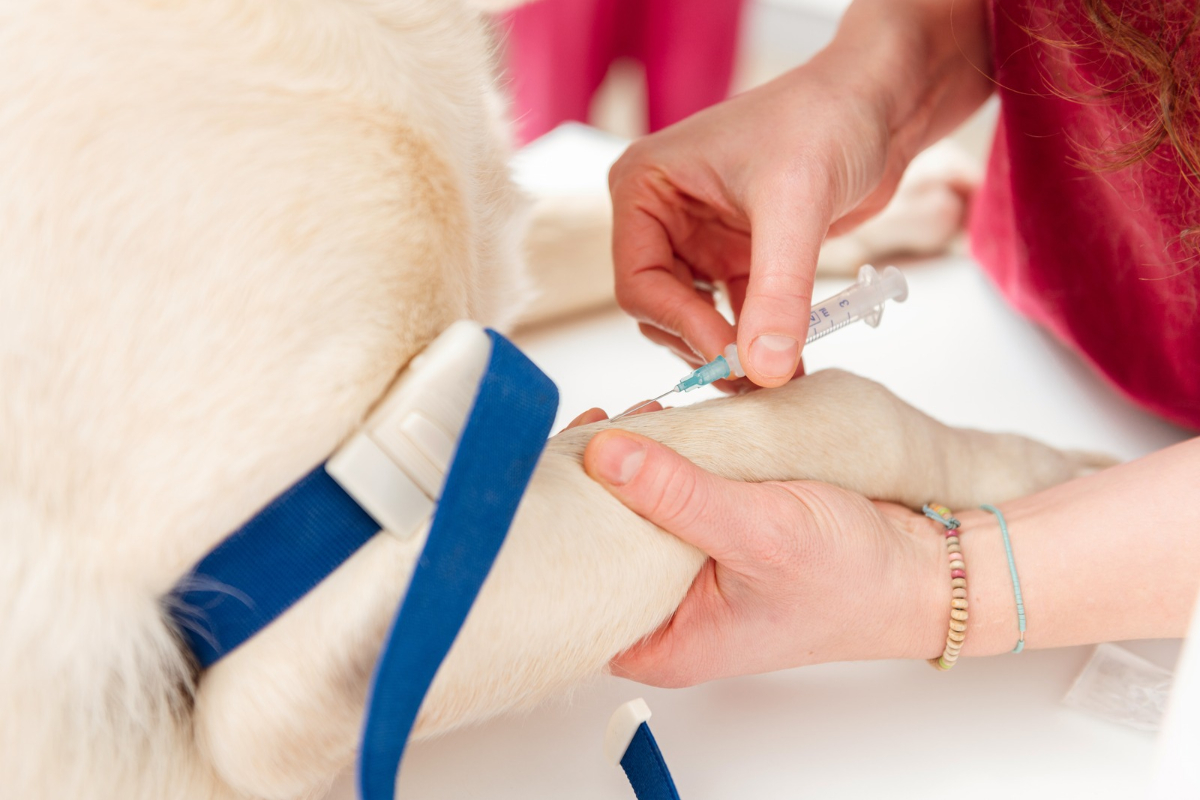
Blood tests are an important part of veterinary medicine because they can reveal health concerns that may not be visible during a physical examination. Two commonly recommended tests are the complete blood count (CBC) and the blood chemistry panel. Although both analyze a blood sample, they provide different information about a pet’s health.
At Borash Veterinary Clinic, diagnostic pet care helps veterinarians investigate potential health problems, monitor existing conditions, and make informed treatment decisions. Understanding what each blood test measures can help pet owners feel more confident when discussing their pet’s healthcare needs.
What Is a Complete Blood Count?
A complete blood count (CBC) evaluates the different types of cells circulating in your pet’s blood. It helps veterinarians identify changes that may indicate infection, inflammation, anemia, or problems with blood clotting.
A CBC primarily examines three components:
- Red blood cells (RBCs): Carry oxygen throughout the body. Low levels may indicate anemia, blood loss, or other underlying conditions.
- White blood cells (WBCs): Support the immune system. Changes in their numbers can be associated with infection, inflammation, stress, or immune-related conditions.
- Platelets: Help blood clot and prevent excessive bleeding. Low platelet levels may increase bleeding risks.
Veterinarians may recommend a CBC when pets experience weakness, reduced appetite, unexplained weight loss, pale gums, or other concerning symptoms.
What Is a Blood Chemistry Panel?
A blood chemistry panel measures different substances in the bloodstream to assess organ function, metabolism, and overall internal health.
Depending on the panel, it may evaluate:
- Kidney values: Measurements such as BUN and creatinine help assess kidney function.
- Liver enzymes: ALT, ALP, and other markers can indicate changes involving the liver or bile system.
- Blood glucose: Helps identify abnormal blood sugar levels associated with conditions such as diabetes.
- Proteins: Albumin and globulin levels provide information about hydration, inflammation, and other health concerns.
- Electrolytes: Sodium, potassium, and chloride help evaluate fluid balance and normal muscle and nerve function.
Abnormal results do not automatically confirm a particular disease. Additional testing may be necessary to determine the underlying cause.
CBC vs. Chemistry Panel: What Is the Difference?
Both tests provide valuable information, but they focus on different aspects of your pet’s health.
| Feature | CBC | Chemistry Panel |
| Main focus | Blood cells | Blood chemicals |
| Evaluates | RBCs, WBCs, platelets | Organ-related values, glucose, proteins, electrolytes |
| Helps identify | Anemia, inflammation, blood cell abnormalities | Kidney, liver, metabolic, and electrolyte concerns |
| Common use | Investigating blood and immune-related changes | Assessing organ function and internal health |
Together, these tests provide a broader picture of your pet’s condition than either test alone.
Why Might Your Pet Need Both Blood Tests?
Veterinarians may recommend both tests when evaluating unexplained symptoms, monitoring chronic illnesses, performing senior wellness screenings, or assessing health before surgery.
For example, a dog experiencing increased thirst and frequent urination may need a chemistry panel to evaluate kidney-related values and blood glucose. A CBC can provide additional information about red blood cells and possible inflammatory changes.
Similarly, cats and dogs with reduced appetite, vomiting, lethargy, or unexplained weight changes may benefit from combined testing, depending on their examination findings.
How Are Pet Blood Test Results Interpreted?
Blood test results are not simply classified as normal or abnormal. Veterinarians consider reference ranges, previous test results, symptoms, age, medications, and physical examination findings.
An unusual result does not always indicate a serious condition. Dehydration, stress, medications, and temporary health changes can influence certain measurements.
At times, your veterinarian may recommend a urinalysis, repeat bloodwork, or diagnostic imaging to investigate an abnormal finding further.
When Should You Consider Blood Testing for Your Pet?
Blood testing may be recommended when your pet experiences:
- Persistent vomiting or diarrhea.
- Unexplained weight loss or appetite changes.
- Increased thirst or urination.
- Unusual tiredness or weakness.
- Changes in behavior or activity.
- Signs of illness before a surgical procedure.
Routine bloodwork can also help establish baseline health values and identify potential concerns before noticeable symptoms develop.
Supporting Your Pet’s Health Through Diagnostic Testing
Understanding the difference between a CBC and a chemistry panel makes it easier to recognize why veterinarians recommend specific blood tests. Regular wellness examinations and appropriate diagnostic testing can help identify health concerns and support timely veterinary care.
For pet owners seeking reliable diagnostic pet care in Peabody, MA, schedule your appointment with our veterinary team to discuss your pet’s blood testing needs and overall health.
Frequently Asked Questions:
Q1. Is a CBC enough to check my pet’s overall health?
Ans: A CBC provides important information about blood cells but does not fully evaluate organ function. Your veterinarian may recommend a chemistry panel for a broader assessment.
Q2. Does my pet need both a CBC and chemistry panel?
Ans: Not always. The recommended tests depend on your pet’s symptoms, medical history, age, and examination findings. Your veterinary team can determine which tests are appropriate.
Q3. Can blood tests detect kidney disease in dogs and cats?
Ans: Chemistry panels can identify changes in kidney-related values. A urinalysis and additional testing may also be needed to evaluate kidney health.
Q4. Should senior pets have regular bloodwork?
Ans: Periodic bloodwork can help identify age-related health changes and monitor existing conditions. Your veterinarian can recommend an appropriate screening schedule.
Q5. Does my pet need bloodwork before surgery?
Ans: Pre-anesthetic bloodwork may help identify underlying abnormalities that could influence anesthesia and surgical planning.
Q6. How does your veterinary team help with blood testing?
Ans: Our diagnostic services include an in-house laboratory for bloodwork, urinalysis, fecal testing, and skin scrapings. This helps our team investigate health concerns and guide appropriate treatment recommendations.
Related Articles