

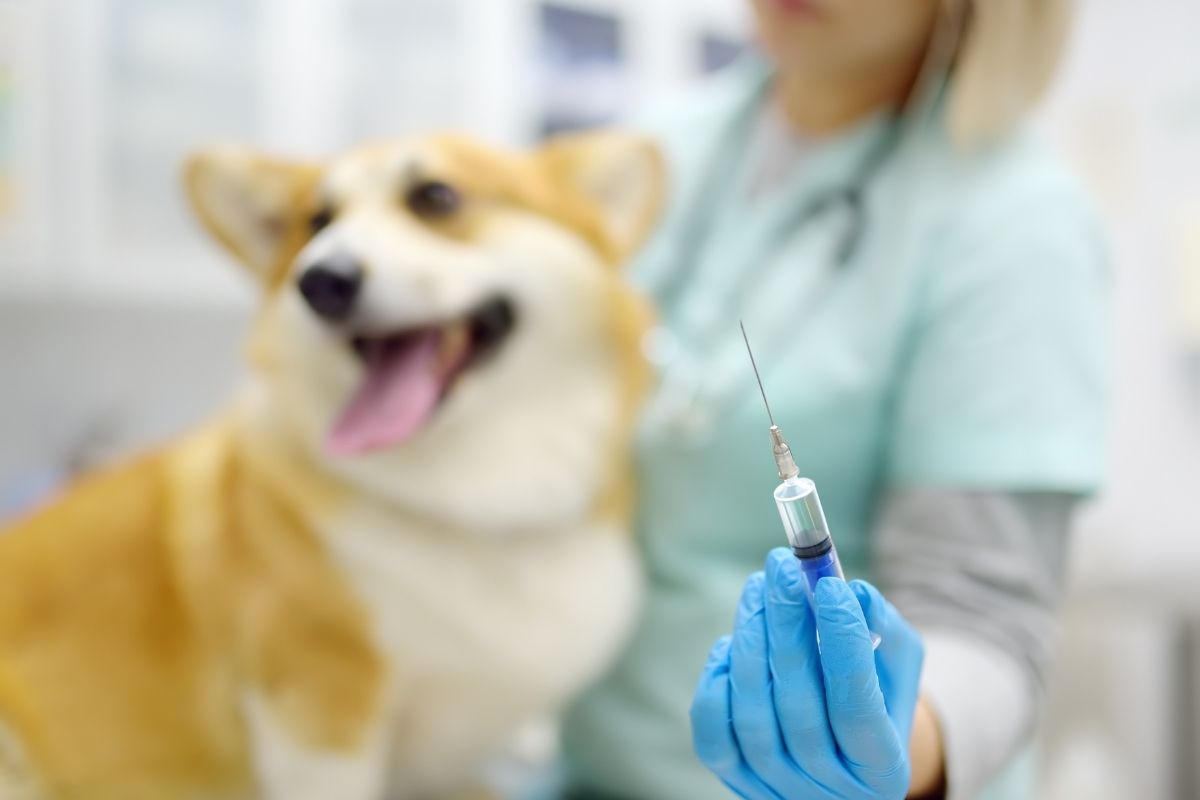
Vaccinations play a vital role in protecting your dog from serious and potentially life-threatening diseases. However, not all vaccines serve the same purpose. Understanding the difference between core and non-core vaccines helps pet owners make informed decisions about their dog’s health. At Borash Veterinary Clinic, veterinarians guide pet owners through personalized vaccination plans to ensure each dog receives the protection they truly need.
Whether you’re a new pet owner or reviewing your dog’s health routine, knowing how vaccines are categorized is essential for responsible pet care.
What Are Core Dog Vaccines?
Core vaccines are considered essential for all dogs, regardless of lifestyle, breed, or environment. These vaccines protect against diseases that are widespread, highly contagious, and often fatal.
Common core vaccines include:
- Rabies: A fatal disease that affects the nervous system and is required by law in many areas
- Distemper: A serious viral illness impacting the respiratory, gastrointestinal, and nervous systems
- Parvovirus: A highly contagious virus that causes severe gastrointestinal issues
- Adenovirus (Hepatitis): Affects the liver and can lead to severe complications
These vaccines are universally recommended because they protect against diseases that pose a significant risk to all dogs.
What Are Non-Core Dog Vaccines?
Non-core vaccines are optional and recommended based on your dog’s lifestyle, environment, and risk factors. Not every dog needs these vaccines, but they can provide important protection in certain situations.
Common non-core vaccines include:
- Bordetella (Kennel Cough): Recommended for dogs that frequently interact with other dogs
- Lyme Disease: Important for dogs in areas with high tick exposure
- Leptospirosis: Protects against a bacterial infection spread through contaminated water
- Canine Influenza: Suggested for dogs in high-density environments like boarding facilities
Your veterinarian will assess your dog’s risk level before recommending these vaccines as part of a tailored dog vaccination plan.
Key Differences Between Core and Non-Core Vaccines
Understanding the distinction between these two categories helps clarify why some vaccines are mandatory while others are situational.
Core Vaccines:
- Recommended for all dogs
- Protect against widespread, severe diseases
- Often required by law (e.g., rabies)
Non-Core Vaccines:
- Based on individual risk factors
- Recommended depending on lifestyle and environment
- Not required for every dog
This classification ensures that your dog receives necessary protection without unnecessary treatments.
How Veterinarians Determine the Right Vaccines
There is no one-size-fits-all approach when it comes to vaccinations. Veterinarians consider several factors before recommending a plan:
- Your dog’s age and overall health
- Lifestyle (indoor vs outdoor, social exposure)
- Geographic risks (ticks, wildlife, climate)
- Travel or boarding habits
This personalized approach ensures that your dog receives the most appropriate care without over-vaccination.
Why Vaccination Schedules Matter
Vaccines are not a one-time event—they require proper timing and boosters to remain effective.
Typical schedule includes:
- Puppy vaccinations: Begin at 6–8 weeks and continue every few weeks until about 16 weeks
- Adult boosters: Given annually or every 1–3 years, depending on the vaccine
Staying consistent with your dog’s vaccination schedule is essential for maintaining long-term immunity and overall health.
Risks of Skipping Vaccines
Skipping recommended vaccines can leave your dog vulnerable to preventable diseases. Many of these illnesses spread quickly and can be difficult—and expensive—to treat.
Potential risks include:
- Increased susceptibility to infections
- Severe illness or complications
- Risk of spreading disease to other animals or humans
Preventive care, including routine dog vaccinations, is always more effective than treating disease after it develops.
Common Questions Pet Owners Often Ask
Dog owners often have similar concerns about vaccinations, including:
- Are all vaccines necessary for my dog?
- How do I know which non-core vaccines my dog needs?
- Are vaccines safe for puppies and senior dogs?
- Can my dog have side effects after vaccination?
- How often should my dog receive boosters?
- What happens if I miss a scheduled vaccine?
Discussing these questions with your veterinarian can help you make confident decisions about your dog’s care.
When to Talk to Your Veterinarian
If you’re unsure about your dog’s vaccination needs, it’s always best to seek professional advice. A veterinarian can evaluate your dog’s lifestyle and recommend a plan that ensures optimal protection.
For personalized guidance and preventive care, you can schedule your appointment with Borash Veterinary Clinic to keep your dog’s health on track.
Understanding the difference between core and non-core vaccines is an important step in protecting your dog’s health. While core vaccines are essential for all dogs, non-core vaccines provide additional protection based on individual risk factors.
By staying informed and maintaining a consistent vaccination schedule, you can help your dog live a longer, healthier life.
FAQs
Q1. What are the core vaccines for dogs?
Ans. Core vaccines protect against serious, widespread diseases and are recommended for all dogs.
Q2. Are non-core vaccines necessary?
Ans. They are recommended based on your dog’s lifestyle and risk factors, but are not required for every dog.
Q3. How often should my dog be vaccinated?
Ans. Puppies need a series of vaccines, while adult dogs require boosters every 1–3 years.
Q4. Can vaccines cause side effects in dogs?
Ans. Mild side effects like soreness or fatigue are possible, but serious reactions are rare.
Q5. Do indoor dogs need vaccinations?
Ans. Yes, core vaccines are essential even for indoor dogs due to potential exposure risks.
Q6. What happens if I miss a vaccine schedule?
Ans. Consult your veterinarian, as your dog may need a booster or an adjusted schedule.
Related Articles