
It can be worrying when your dog refuses food after a spaying procedure. As a pet parent, you expect some grogginess, but skipping meals can feel alarming. Surgery places temporary stress on your dog’s body, and appetite changes are one of the most common post-operative behaviors. The good news? Most causes are mild and manageable at home. In this guide, we’ll help you understand why your dog may be avoiding food, what’s normal during recovery, and how to safely encourage eating so your pet stays comfortable, hydrated, and on track to healing.
Why Dogs Lose Appetite After Spaying
A temporary loss of appetite is normal for 24–48 hours after surgery. Several factors contribute to this change:
1. Anesthesia After-Effects
Anesthesia can cause nausea, grogginess, and mild disorientation. Some dogs simply don’t feel ready to eat until the medication fully wears off.
2. Post-Surgical Pain or Discomfort
Even with proper pain management, mild soreness at the incision site can make eating less appealing. Your dog may prefer resting over mealtime for the first day.
3. Stress From the Procedure
Being in an unfamiliar environment can lead to stress-related appetite changes. Sensitive dogs often go a bit longer before returning to normal eating habits.
4. Gastrointestinal Upset
Some dogs may experience mild stomach irritation from anesthesia or antibiotics, leading to skipped meals or slower eating.
When Decreased Appetite Becomes a Concern
While short-term appetite changes are expected, certain signs may indicate a deeper issue and require veterinary attention.
Watch for These Warning Signals:
- Vomiting more than once
- Diarrhea or bloody stool
- Excessive whining or inability to rest
- Swelling, discharge, or redness around the incision
- Refusal to eat beyond 48 hours
- Extreme lethargy or collapse
If any of these symptoms appear, contact your veterinarian right away.
Safe Ways to Encourage Your Dog to Eat After Spaying
1. Offer Soft, Easily Digestible Foods
Try:
- Warmed wet food
- Boiled chicken and rice
- Low-sodium bone broth
- Prescription recovery diets
Warming food slightly increases aroma and often encourages picky eaters.
2. Provide Small, Frequent Meals
Instead of one large serving, divide meals into 3–4 small portions throughout the day.
3. Reduce Stress Around Mealtime
Keep the feeding area quiet, familiar, and free from loud noises or other pets.
4. Ensure Proper Pain Control
If your dog is too uncomfortable to eat, pain medication may need adjusting. Never give human pain medicine—only what your vet prescribed.
5. Hydration First
If your dog refuses food, encourage drinking. Dehydration can worsen nausea and appetite loss. Offer small amounts of water or electrolyte solutions formulated for pets.
If you’re searching for compassionate pet care, Borash Veterinary Clinic provides attentive support to help your dog recover comfortably after surgery.
What NOT to Do
To ensure safe recovery, avoid these common mistakes:
- Do not force-feed unless instructed by a veterinarian.
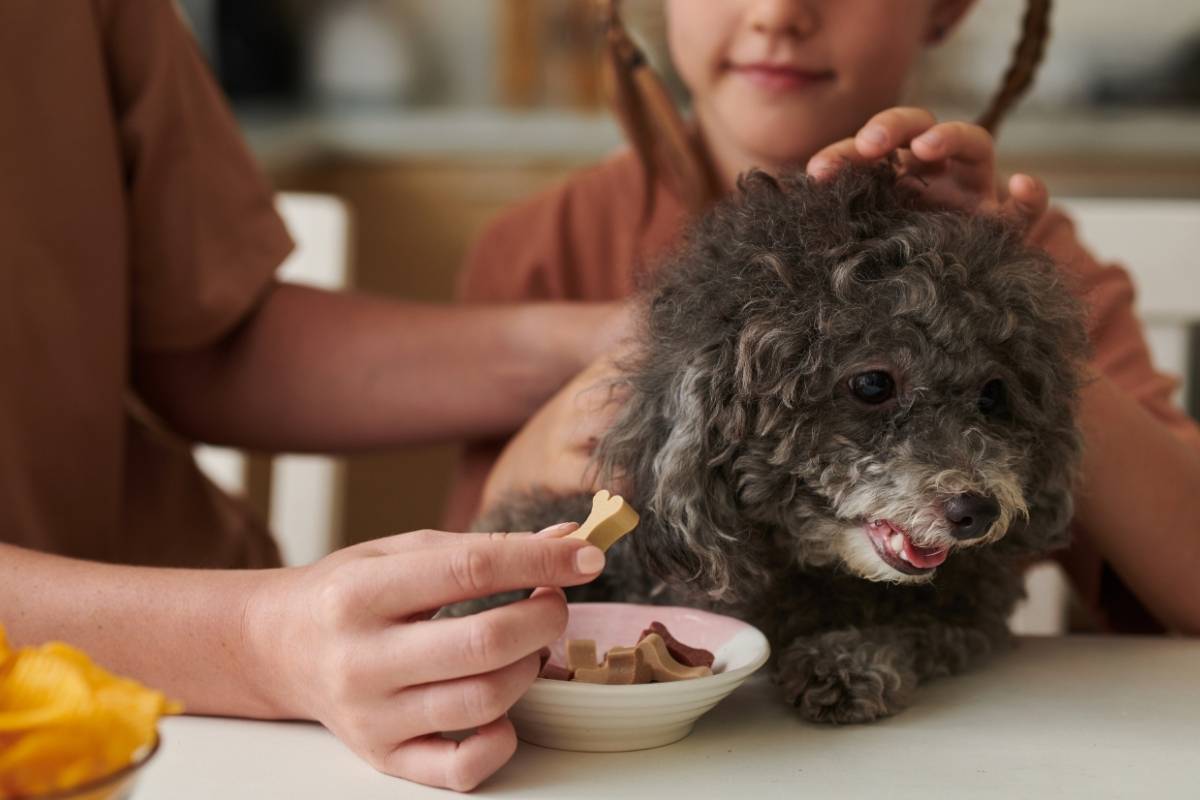
- Avoid giving table scraps or fatty foods—they can trigger serious digestive issues.
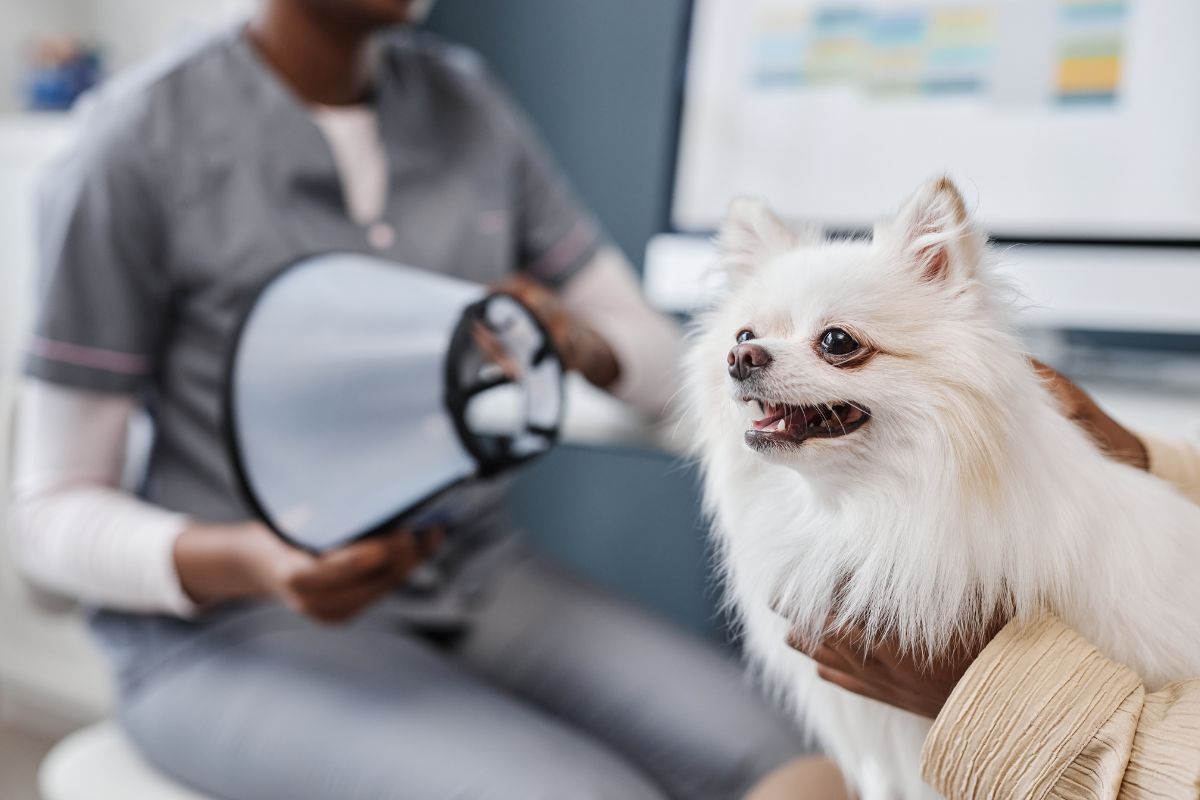
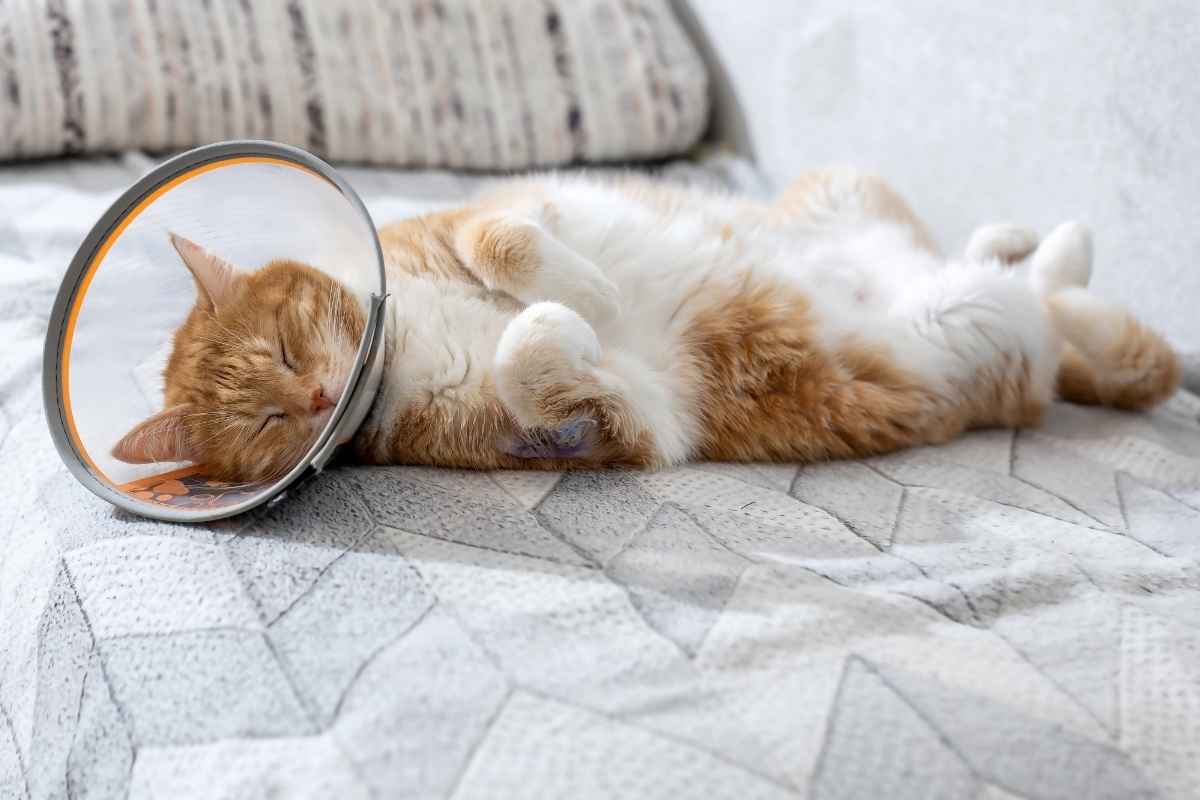
- Do not remove the e-collar too soon. Licking the incision can cause infection and delayed healing.
- Never skip prescribed medications, even if your dog seems “fine.”
When to Contact a Vet
Call your veterinarian if:
- Your dog refuses all food for more than 48 hours
- You notice swelling, oozing, or odor at the incision
- Your dog seems unusually restless, painful, or lethargic
- Vomiting or diarrhea develops
- Your dog shows signs of infection or fever
In rare cases, appetite loss may signal complications requiring prompt care. This is especially important if your pet underwent veterinary surgery in Peabody or any advanced procedure requiring close monitoring.
A dog not eating after being spayed is common and typically temporary. Most appetite changes resolve with rest, comfort, and gentle encouragement. By monitoring your dog closely and offering soft meals, hydration, and a calm environment, you can support a smooth recovery process. If food refusal lasts longer than expected or any warning signs appear, schedule a visit with your vet to keep your dog safe and healthy.
Frequently Asked Questions
Q1: How long do dogs usually refuse food after being spayed?
Ans: Most dogs show reduced appetite for 12–24 hours after surgery, though some may take up to 48 hours to resume normal eating. If appetite does not return by then, consult your veterinarian.
Q2: Is it normal for my dog to sleep more and eat less after surgery?
Ans: Yes. Increased sleep and decreased appetite are common post-anesthesia effects. As long as your dog remains responsive and the incision looks normal, this behavior is expected.
Q3: What can I feed my dog if she won’t eat her regular kibble?
Ans: Offer warm, soft foods such as canned dog food, boiled chicken, rice, or vet-approved recovery diets. These options are gentle on the stomach and more aromatic.
Q4: Should I worry if my dog only drinks water but doesn’t eat?
Ans: Some dogs prefer water before food during early recovery. However, if your dog continues refusing food after 24–48 hours, schedule a vet evaluation.
Q5: Can pain cause decreased appetite after spaying?
Ans: Absolutely. Post-surgical discomfort can make dogs hesitant to eat. Proper pain management is essential. If you suspect your dog is uncomfortable, call your veterinarian.
Q6: When is appetite loss after spaying an emergency?
Ans: Seek urgent care if appetite loss is paired with vomiting, diarrhea, incision swelling, fever, or prolonged refusal to eat. These may indicate infection or complications.