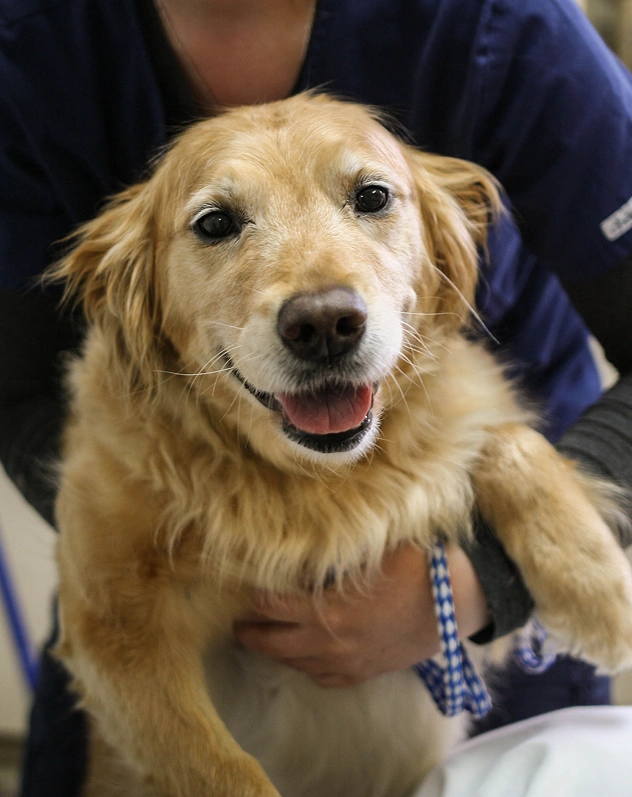

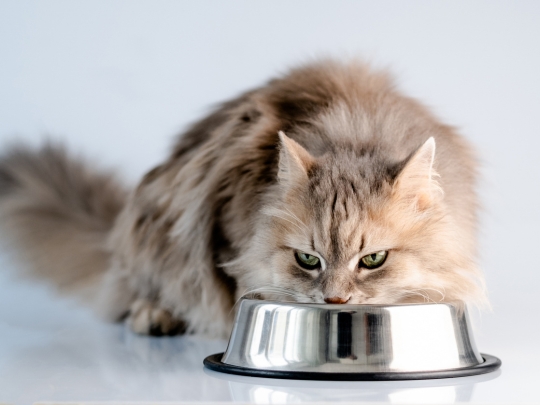
A dog or cat’s nutritional needs do not stay the same throughout life. Puppies and kittens need enough energy and nutrients to support rapid growth, while adult pets need balanced nutrition for maintenance. As pets enter their senior years, changes in metabolism, activity, muscle mass, and health can affect how much and what type of food they need.
Understanding these changes can help pet owners make better feeding decisions. Regular visits to a veterinary clinic also provide an opportunity to monitor body condition, weight, appetite, and overall health. These factors can help determine whether your pet’s current diet continues to meet its needs.
How Age Changes a Pet’s Nutritional Needs
Every life stage brings different nutritional priorities. Young pets are developing bones, muscles, organs, and immune systems. Adult pets generally need enough calories to maintain a healthy weight and active lifestyle. Older pets, meanwhile, may need adjustments based on reduced activity, muscle loss, or age-related health conditions.
However, age alone should not determine a feeding plan. Breed, size, lifestyle, body condition, medical history, and activity level all matter.
Feeding Puppies and Kittens
Puppies and kittens experience rapid physical development. Consequently, they need diets specifically formulated for growth rather than standard adult maintenance food.
Puppies
Growing puppies need appropriate amounts of protein, fat, calories, vitamins, and minerals. Large-breed puppies require particular attention because excessive calorie intake or an improperly balanced diet can contribute to unhealthy skeletal development.
Feeding measured portions helps control growth and body condition. Puppies may also need several meals throughout the day because their stomachs are smaller and their energy requirements are relatively high.
Kittens
Kittens also require nutrient-dense food designed for growth. Adequate protein supports developing muscles, while appropriate fats provide energy and essential fatty acids.
Because cats have specific nutritional requirements, kittens should receive a complete and balanced diet formulated for feline growth. Fresh water should remain available at all times.
Nutrition for Adult Dogs and Cats
Once pets reach adulthood, their nutritional focus shifts from growth to maintenance. Their diet should provide enough nutrients and calories to support normal activity without encouraging excessive weight gain.
Portion control becomes especially important as activity levels change. Treats, table food, and snacks should also be considered when evaluating daily calorie intake.
A healthy adult diet should support:
- Appropriate body weight
- Lean muscle
- Healthy skin and coat
- Normal energy
- Digestive function
- Overall wellness
If your adult pet becomes less active, you may need to adjust portions rather than automatically changing the entire diet.
Why Senior Pets May Need Dietary Changes
As dogs and cats age, their metabolism and activity levels can change. Some senior pets become less active and require fewer calories. Others may lose muscle or experience health conditions that affect their nutritional requirements.
Therefore, senior pets should not automatically receive a lower-calorie diet without considering their overall condition.
Supporting Healthy Weight
Weight management becomes increasingly important as pets age. Excess body weight can place additional stress on joints and make movement more difficult.
On the other hand, unexplained weight loss should not simply be attributed to aging. It may indicate dental disease, digestive problems, metabolic disorders, or another underlying health concern.
Preserving Lean Muscle
Older pets can gradually lose muscle mass. Adequate protein and appropriate physical activity may help support healthy muscle condition.
However, pets with certain medical conditions may require specific dietary adjustments. A veterinarian can help determine the appropriate balance of calories and nutrients.
Hydration Becomes Increasingly Important
Water plays an essential role at every life stage, but maintaining hydration deserves particular attention in older pets.
Cats, especially, may not drink enough water on their own. Offering wet food can increase dietary moisture for some cats. Multiple clean water sources may also encourage drinking.
If your pet suddenly starts drinking significantly more or less than usual, discuss the change with your veterinary team.
Senior Dogs and Cats Do Not Have Identical Needs
Although both dogs and cats experience aging, their nutritional needs differ.
Dogs are generally omnivorous and can obtain nutrients from a properly formulated diet containing a variety of ingredients. Cats, however, are obligate carnivores and have specific nutritional requirements that must be met through a complete feline diet.
Additionally, individual health conditions can influence nutritional recommendations. For example, a senior cat with dental disease may have different feeding considerations than a healthy senior cat.
When Should You Change Your Pet’s Food?
There is no universal age at which every dog or cat needs a new diet. Instead, look for changes that may indicate the need for nutritional reassessment.
Consider discussing your pet’s diet with a veterinarian when you notice:
- Unexplained weight gain or loss
- Reduced activity
- Changes in appetite
- Difficulty chewing
- Persistent digestive problems
- Muscle loss
- Increased thirst
- A newly diagnosed health condition
When changing foods, transition gradually whenever possible. Mixing increasing amounts of the new food with the previous diet can help reduce the risk of digestive upset.
Common Feeding Mistakes as Pets Age
Pet owners may unintentionally continue feeding the same portions even after their pet’s activity level changes. Likewise, excessive treats can add significant calories to a pet’s daily intake.
Avoid making major nutritional changes based solely on an age label. Instead, consider your pet’s body condition, lifestyle, appetite, and health status.
Supplements should also be used carefully. Adding vitamins, minerals, or other products without professional guidance can create nutritional imbalances or interfere with certain treatments.
How Borash Veterinary Clinic Can Help
As pets grow older, regular nutritional assessments can help identify changes before they become more significant. Borash Veterinary Clinic can evaluate your pet’s body condition, weight, appetite, lifestyle, and overall health when determining whether dietary adjustments may be appropriate.
Routine examinations can also help identify dental, metabolic, digestive, or other health concerns that may affect how your pet eats or uses nutrients.
Feeding needs naturally change as dogs and cats move from growth into adulthood and eventually their senior years. Puppies and kittens need nutrition that supports development, adults need balanced maintenance nutrition, and older pets may require adjustments based on activity, body condition, muscle mass, hydration, and health.
Rather than changing food simply because your pet reaches a certain age, monitor their overall condition and discuss significant changes with a veterinary professional. Schedule your appointment with Borash Veterinary Clinic to review your pet’s nutritional needs and support healthy aging.
Frequently Asked Questions
Q1. Do older dogs need less food?
Ans: Some senior dogs need fewer calories because they become less active. However, the appropriate amount depends on body condition, activity, metabolism, and overall health.
Q2. Should I change my cat’s food when it becomes a senior?
Ans: Not necessarily. Senior cats have different nutritional needs, but the best diet depends on individual health, body condition, activity, and medical history.
Q3. Can puppies and kittens eat adult pet food?
Ans: Growing puppies and kittens generally need food formulated specifically for growth because they require different nutrient levels than adult pets.
Q4. Why is my senior pet losing weight?
Ans: Unexplained weight loss can have several causes, including dental disease, digestive disorders, metabolic conditions, or other health problems. A veterinary examination can help identify the underlying cause.
Q5. Is wet food better for older cats?
Ans: Wet food can help increase water intake and may be useful for some senior cats. However, the best choice depends on the cat’s nutritional requirements, health, preferences, and overall diet.
Q6. How often should I reassess my pet’s diet?
Ans: Review your pet’s diet whenever there are changes in weight, appetite, activity, digestion, or health. Regular wellness examinations are also a good opportunity to discuss nutritional needs.