
The holiday season brings joy, celebrations, and plenty of delicious food to every home. However, this festive time can pose unique challenges for your furry family members. From tempting table scraps to disrupted routines, your pet’s digestive system may struggle to keep up with the chaos.
Understanding the right holiday feeding schedule for pets helps prevent upset stomachs, weight gain, and potentially dangerous food encounters. Your companion depends on you to maintain their health amid gatherings and feasts. This guide walks you through essential seasonal diet adjustments, keeping your beloved pet happy and healthy throughout the celebrations.
Why Holiday Seasons Affect Your Pet’s Diet
The holidays significantly disrupt normal household routines. Irregular meal times, houseguests offering treats, and access to unfamiliar foods create digestive chaos. Pets thrive on consistency, and sudden changes can trigger vomiting, diarrhea, or worse.
Additionally, colder winter months may affect your pet’s metabolism differently. Some animals need slightly more calories to maintain body heat. Others become less active and require portion adjustments to prevent unwanted holiday weight gain.
Creating a Consistent Feeding Routine During Festivities
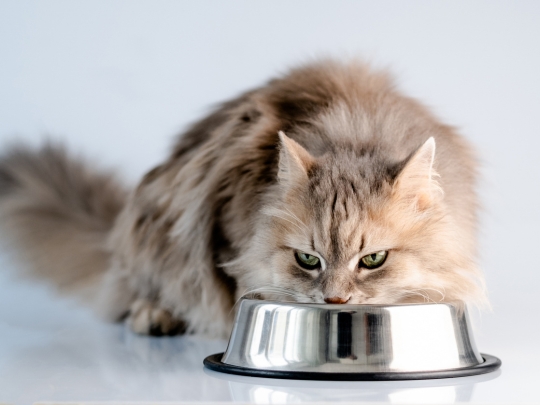
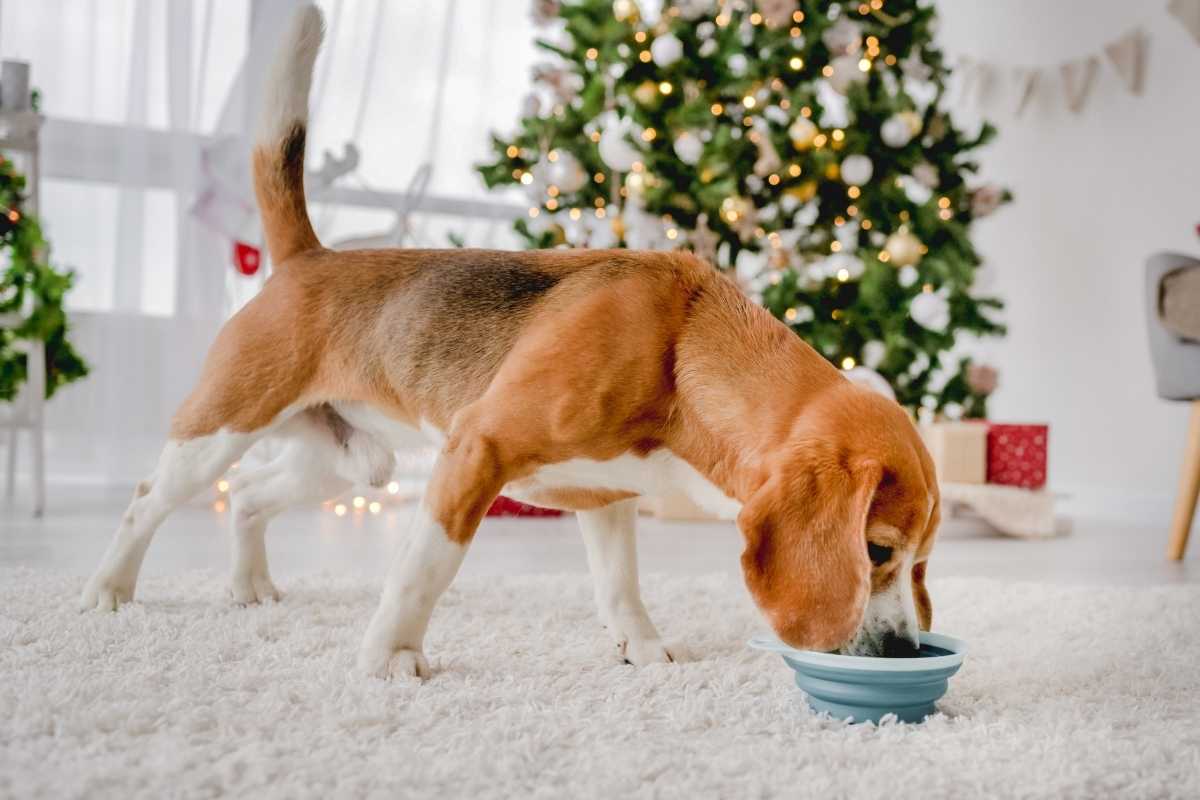
Maintaining regular meal times remains crucial despite your busy schedule. Feed your pet at the same times daily, regardless of holiday activities happening around them. This consistency supports healthy digestion and reduces anxiety-driven behaviors.
Consider these practical tips:
- Set phone reminders for feeding times
- Prepare meals in advance when hosting guests
- Keep food storage areas locked from curious noses
- Assign a family member to handle pet meals during events
Safe Holiday Foods for Pets
Not all festive foods spell trouble for your furry friend. Some make excellent occasional treats when prepared properly. Plain, cooked turkey or chicken provides lean protein your pet will absolutely love.
Safe options include:
- Plain cooked sweet potatoes (without marshmallows)
- Unseasoned green beans
- Plain pumpkin puree
- Carrots and apple slices (remove seeds first)
Always serve these foods in moderation alongside their regular diet.
Dangerous Holiday Foods to Avoid
Many traditional holiday ingredients pose serious health risks to pets. Chocolate contains theobromine, which proves toxic to dogs and cats. Grapes, raisins, onions, and garlic can cause severe organ damage.
Watch carefully for these hazards:
- Xylitol in sugar-free desserts
- Macadamia nuts
- Alcohol in any form
- Fatty meat trimmings and bones
- Rich gravies and sauces
The team at Borash Veterinary Clinic recommends keeping emergency vet numbers handy during all holiday gatherings.
Adjusting Portions for Winter Activity Levels
Your pet’s exercise routine likely changes during colder months. Indoor cats may become significantly less active, while some dogs get shorter walks. These lifestyle changes require thoughtful dietary adjustments.
Monitor your pet’s body condition weekly throughout the season. If you notice weight gain, reduce treats and consider slightly smaller portions. Conversely, very active outdoor pets may need 10-15% more calories during winter months.
For more comprehensive nutrition guidance, explore the resources available at peabody animal hospital.
Managing Treats from Well-Meaning Guests
Holiday visitors often want to share food with your adorable pets. This generous impulse can quickly lead to overfeeding and exposure to harmful ingredients. Therefore, establish clear guidelines before gatherings begin.
Provide pet-safe treats guests can offer instead of table food. Place a small container of approved snacks where visitors can easily access them. Politely explain that human food could make your pet seriously ill.
Signs Your Pet’s Diet Needs Adjustment
Watch carefully for warning signals indicating dietary distress. Vomiting, diarrhea, lethargy, and loss of appetite suggest something is wrong. Excessive thirst or changes in bathroom habits also warrant immediate attention.
These symptoms may indicate:
- Food intolerance or allergies
- Accidental toxin ingestion
- Digestive system overload
- Underlying health conditions requiring treatment
When to Contact Your Veterinarian
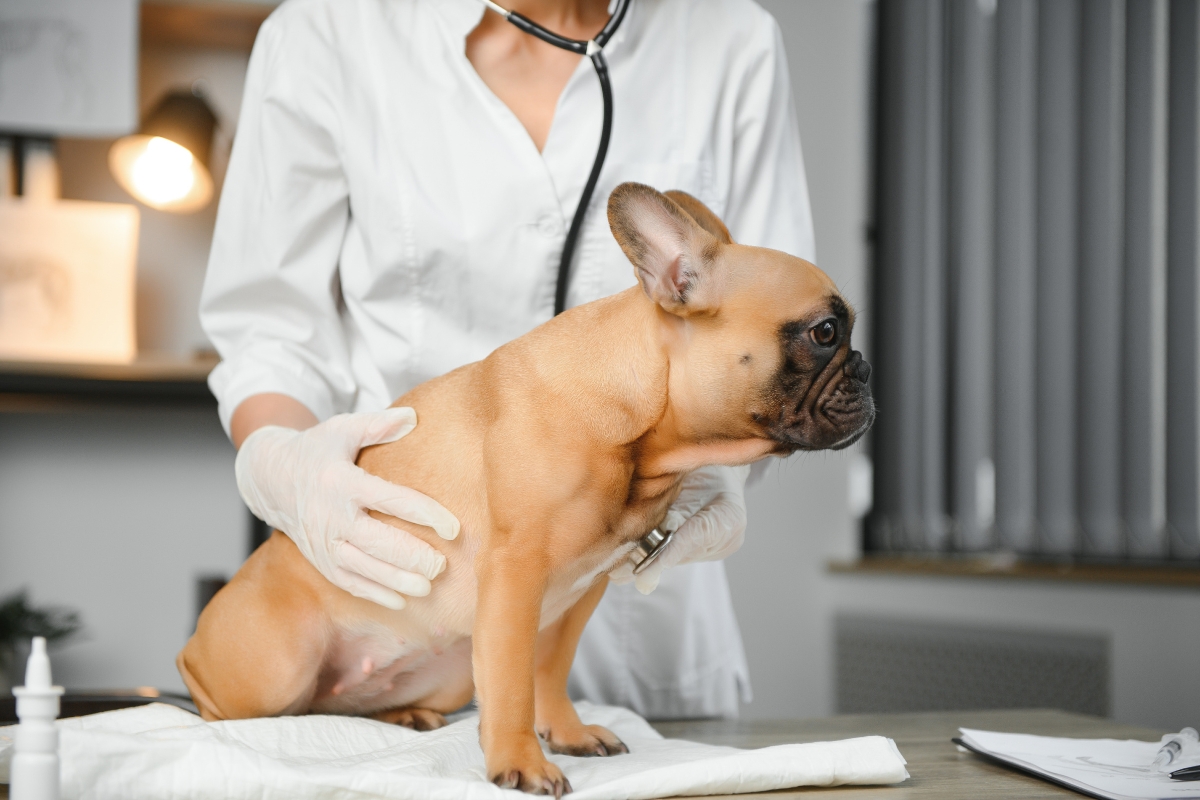
Some situations require immediate professional attention without delay. If your pet consumes known toxic foods, call your vet immediately. Never wait for symptoms to appear with dangerous substances like chocolate or xylitol.
Schedule a post-holiday checkup if your pet shows persistent symptoms afterward. Weight changes exceeding 5% also deserve professional evaluation. Your veterinarian can recommend specific dietary modifications based on your pet’s individual needs and health status.
The holiday season doesn’t have to compromise your pet’s health and happiness. By following a consistent holiday feeding schedule for pets and staying vigilant about dangerous foods, you’ll keep your furry friend safe during every celebration.
Take action today by reviewing your holiday meal plans and identifying potential pet hazards. Your proactive approach ensures everyone in your family—including the four-legged members—enjoys a healthy, joyful season together.
Frequently Asked Questions:
Q1: How often should I feed my pet during the holidays?
Ans: Maintain your regular feeding schedule of two to three meals daily. Consistency prevents digestive upset and significantly reduces begging behavior during holiday meals.
Q2: Can pets eat turkey on Thanksgiving or Christmas?
Ans: Plain, boneless, skinless turkey is safe in small amounts. Avoid seasoned meat, skin, or bones, which can cause pancreatitis or dangerous intestinal blockages.
Q3: What should I do if my pet eats chocolate during a party?
Ans: Contact your veterinarian or pet poison control immediately. Note the chocolate type and amount consumed, as darker chocolate poses greater danger.
Q4: Should I change my pet’s food during winter months?
Ans: Most pets don’t need complete food changes unless activity levels decrease significantly. Adjust portions rather than switching foods to prevent digestive issues.
Q5: How can I prevent my pet from gaining weight during holidays?
Ans: Limit treats to 10% of daily calories and maintain regular exercise. Substitute low-calorie vegetables for high-fat holiday treats whenever possible.
Q6: Are holiday plants dangerous if my pet eats them?
Ans: Yes, many holiday plants including poinsettias, mistletoe, and holly are toxic. Keep decorations out of reach and seek veterinary care if ingestion occurs.