
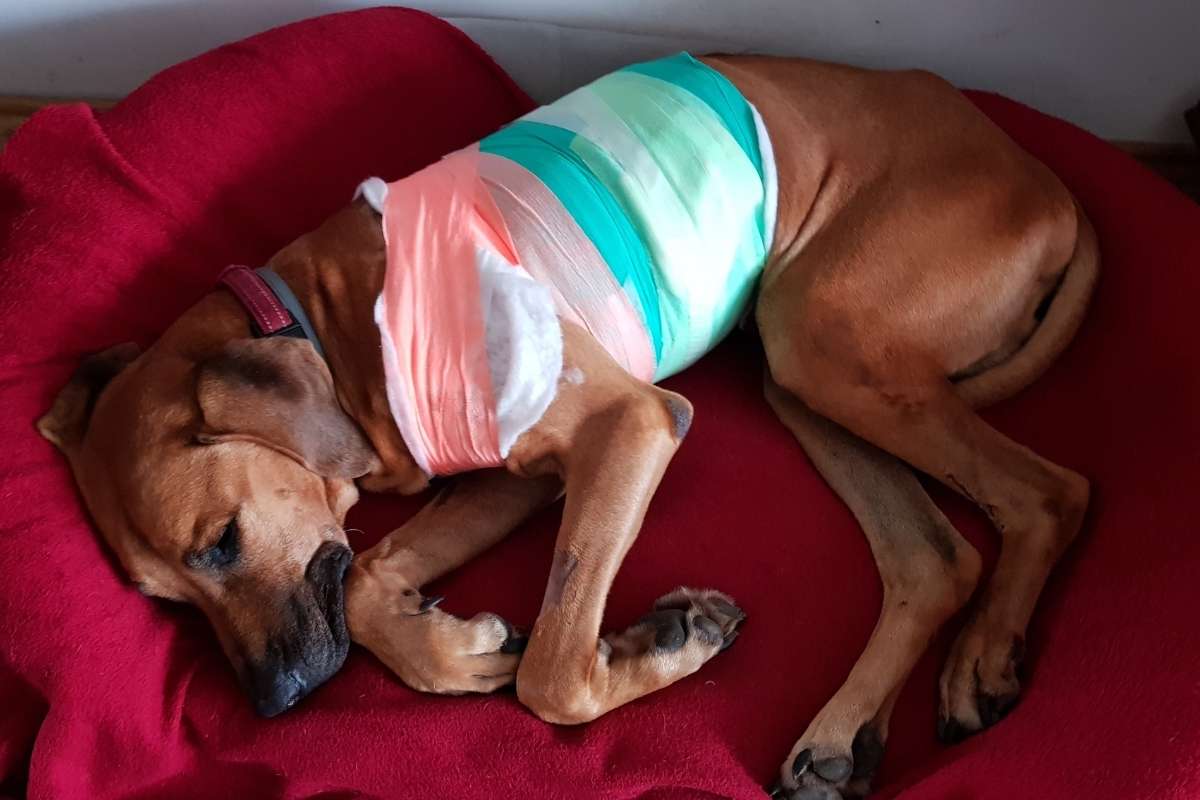
Caring for a pet after surgery is an important part of helping them recover safely and comfortably. Whether your pet has undergone a routine procedure or a more complex operation, proper post-operative care helps prevent complications and supports healing.
At Borash Veterinary Clinic, we understand that bringing your pet home after surgery can feel overwhelming. By following the right recovery steps—such as monitoring the surgical site, giving medications as directed, and ensuring proper rest—you can help your pet heal more smoothly.
Understanding how to care for your pet after surgery can make the recovery process easier for pet owners. This guide shares essential post-operative care tips to help pets recover safely, especially for pet owners in Peabody, MA.
Why Post-Operative Care Is Important
Recovery after surgery does not end when your pet leaves the clinic. The days and weeks following veterinary pet surgery are critical for proper healing.
During this time, your pet’s body is working to repair tissues and prevent infection. Without proper care, pets may experience complications such as wound irritation, delayed healing, or infection.
Providing a calm environment, administering medications correctly, and monitoring your pet’s behavior all contribute to a successful recovery.
1. Provide a Quiet and Comfortable Resting Area
Rest is one of the most important elements of post-surgical recovery. Pets often feel tired or disoriented after anesthesia, and they may need time to adjust.
Choose a quiet area in your home where your pet can rest without disturbances. This space should be warm, comfortable, and away from high activity or noise.
For pets recovering from veterinary surgery, limiting movement is especially important. Jumping, running, or rough play can interfere with healing and increase the risk of complications.
2. Follow Medication Instructions Carefully
Your veterinarian may prescribe medications such as pain relievers, anti-inflammatory drugs, or antibiotics following surgery.
It is essential to administer these medications exactly as directed. Even if your pet appears to feel better, stopping medication too early may slow recovery or increase the risk of infection.
If you have difficulty giving medication or notice unusual reactions, contact your veterinarian for guidance.
3. Monitor the Surgical Incision
Checking the surgical site regularly is an important part of recovery.
A normal healing incision may appear slightly red or swollen for the first few days. However, pet owners should watch for warning signs such as:
- Excessive swelling
- Discharge or bleeding
- Unusual odor
- Persistent redness
- Opening of the incision
If any of these symptoms occur, it is best to consult a veterinarian promptly.
4. Prevent Licking or Chewing
Many pets instinctively try to lick or chew at their incision site, which can introduce bacteria and delay healing.
Veterinarians often recommend using an Elizabethan collar (also known as an e-collar or cone) to prevent pets from interfering with their surgical wounds.
While some pets may need time to adjust to wearing a collar, it plays an important role in protecting the healing area.
5. Limit Physical Activity
Restricting your pet’s activity level helps protect the surgical site and allows tissues to heal properly.
Your veterinarian may recommend:
- Short, controlled walks for dogs
- Keeping pets indoors during recovery
- Avoid jumping on furniture or stairs
- Limiting play with other pets
Activity restrictions usually last between 10 and 14 days, depending on the type of procedure performed.
6. Maintain Proper Nutrition and Hydration
A balanced diet helps support healing and maintain your pet’s energy levels during recovery.
Some pets may have a reduced appetite for the first day or two after surgery, which is normal. However, they should gradually return to their regular eating habits.
Make sure fresh water is always available, and follow any dietary recommendations provided by your veterinarian.
Signs Your Pet May Need Veterinary Attention
Although most pets recover without complications, it’s important to watch for signs that may indicate a problem.
Contact your veterinarian if your pet shows:
- Persistent vomiting or diarrhea
- Extreme lethargy
- Loss of appetite lasting more than 24 hours
- Excessive swelling at the surgical site
- Difficulty breathing or unusual behavior
Prompt attention can help address concerns before they become serious.
Understanding how to care for your pet after surgery is an important step in supporting a smooth recovery. Providing a calm environment, following medication instructions, monitoring the incision site, and limiting physical activity all contribute to proper healing.
If you have questions about your pet’s recovery or need guidance following a procedure, the team at Borash Veterinary Clinic can provide helpful support and professional advice.
Post-operative care is an important part of ensuring your pet’s long-term health. If you live in Peabody, MA, and want guidance about post-surgery care or follow-up appointments, consider reaching out to a trusted veterinary team. You can schedule your appointment to discuss your pet’s recovery and ongoing care needs.
Frequently Asked Questions:
Q1. How long does it take for pets to recover after surgery?
Ans. Recovery time depends on the type of surgery, but most pets begin to feel better within a few days, while complete healing may take 10–14 days or longer.
Q2. Is it normal for my pet to be sleepy after surgery?
Ans. Yes. Pets may feel drowsy or tired for several hours after anesthesia, but their energy levels should gradually improve.
Q3. How can I stop my pet from licking the incision?
Ans. An Elizabethan collar or protective cone can help prevent licking or chewing at the surgical site.
Q4. When can my pet resume normal activity?
Ans. Your veterinarian will provide specific instructions, but most pets should avoid strenuous activity for at least 10–14 days.
Q5. What should a healing surgical incision look like?
Ans. A healing incision may appear slightly red or swollen initially, but should gradually improve without discharge or excessive irritation.
Q6. When should I contact my veterinarian after surgery?
Ans. If your pet shows signs such as swelling, bleeding, vomiting, or unusual behavior, it is best to contact a veterinarian promptly.
Related Articles