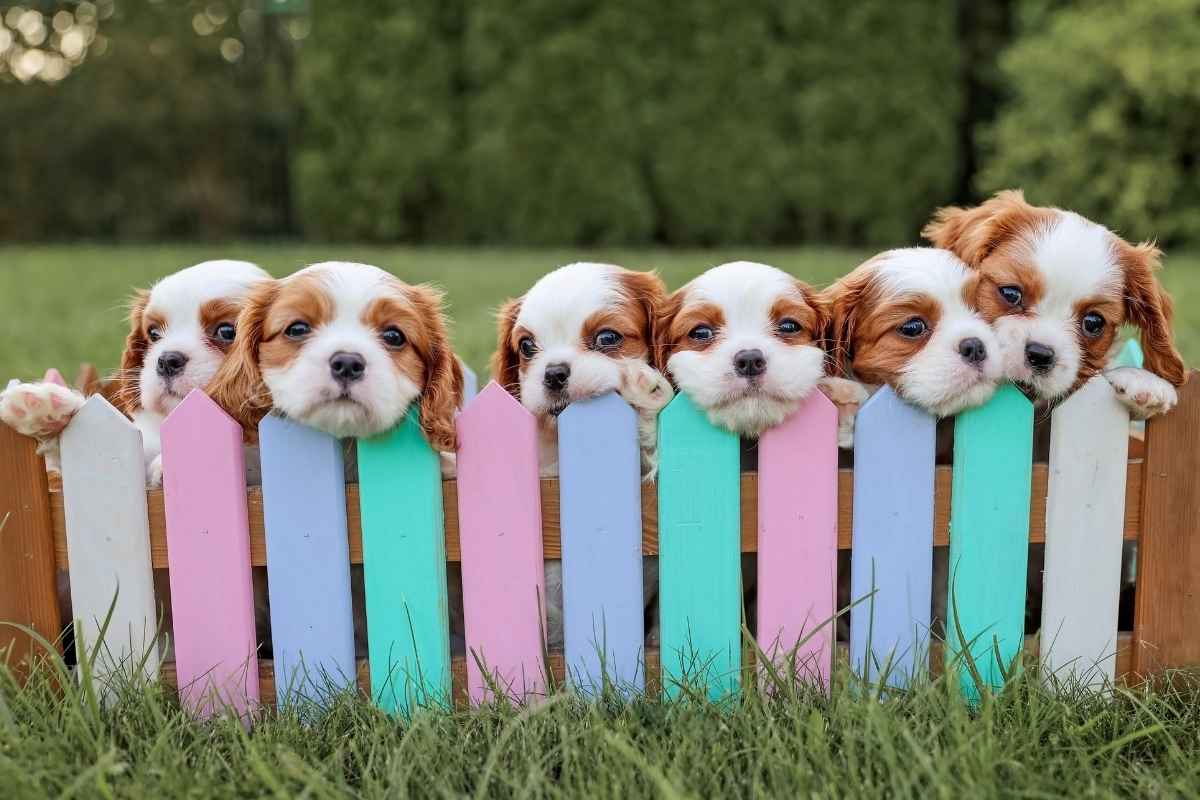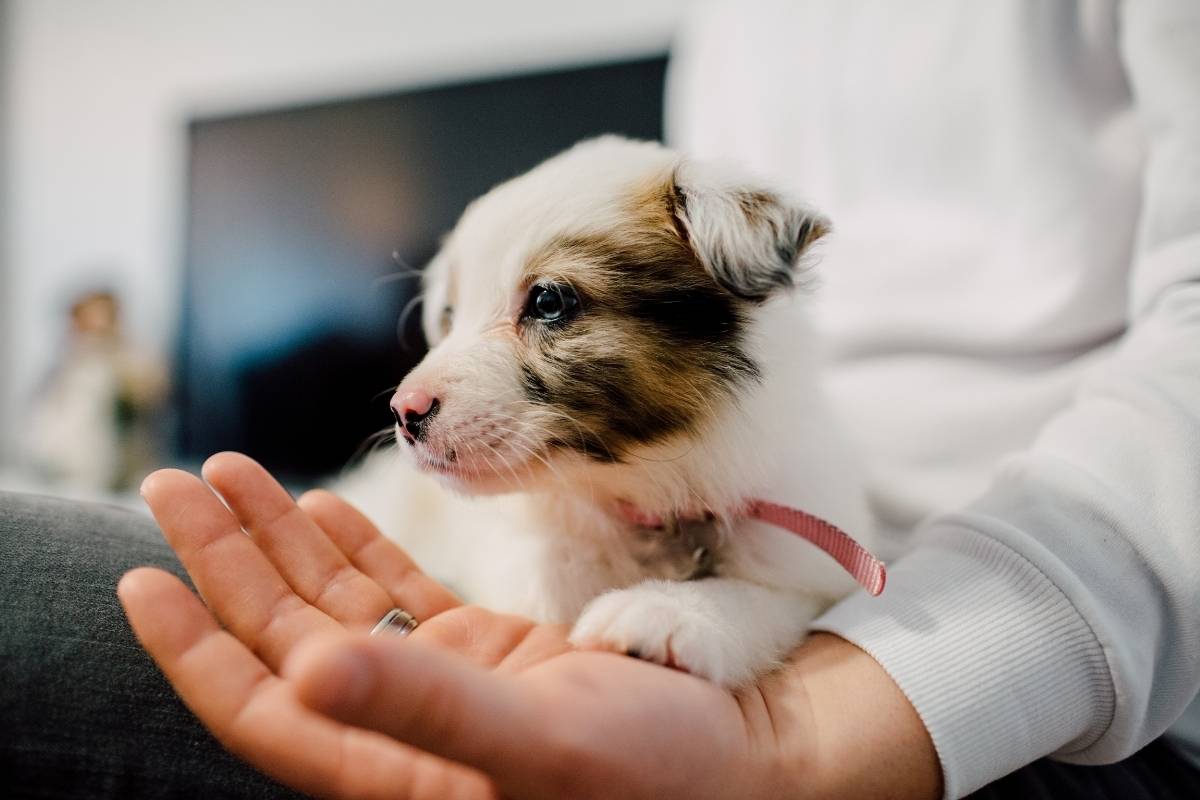

Bringing a new puppy home is a whirlwind of emotions. There is the undeniable joy of puppy breath and tail wags, followed quickly by the realization that you are now responsible for a tiny, energetic life. It is messy, exhausting, and wonderful all at once.
However, the first few months are critical for setting the foundation for your dog’s future behavior and health. Many new owners feel overwhelmed by the conflicting advice found online. To help you navigate this exciting journey, we have compiled the top 10 essential tips for taking care of your new puppy to ensure they grow into a happy, well-adjusted adult dog.
1. Puppy-Proof Your Home
Before your puppy arrives, look at your home through their eyes. Puppies explore the world with their mouths, meaning anything on the floor is fair game.
- Secure Cords: Hide electrical wires to prevent chewing and shocks.
- Remove Toxins: Move cleaning supplies, medications, and toxic plants (like lilies or sago palms) to high shelves.
- Block Off Areas: Use baby gates to restrict access to rooms where they might get into trouble.
2. Establish a Consistent Routine
Dogs thrive on predictability. A chaotic schedule leads to a confused and anxious puppy. Try to feed them, take them out for potty breaks, and put them to bed at the same times every day. This structure speeds up house training and helps them settle down faster.
3. Prioritize Potty Training
Accidents will happen, but consistency is the cure.
- Take them out frequently: Puppies need to go out after sleeping, eating, playing, and every 2–3 hours in between.
- Pick a spot: Take them to the exact same spot in the yard so the scent reminds them what to do.
- Celebrate: When they go outside, praise them enthusiastically and offer a treat immediately.
4. Focus on Nutrition
Growing bodies need specific fuel. Puppies require higher amounts of protein, fat, and calcium than adult dogs. Always choose a high-quality “Puppy” formula rather than adult dog food. Large breed puppies (like Labs or Shepherds) need specific large-breed formulas to prevent their bones from growing too fast, which can lead to joint issues later.
5. The Importance of Vaccinations
Your puppy’s immune system is fragile. Until they are fully vaccinated, they are susceptible to deadly diseases like Parvovirus and Distemper. Follow your veterinarian’s vaccine schedule strictly, and avoid public places like dog parks until your vet gives the all-clear (usually around 16 weeks).
6. Crate Training is a Tool, Not a Jail
A crate provides a safe, den-like space where your puppy can relax. It is also invaluable for potty training, as dogs naturally avoid soiling where they sleep. Never use the crate as punishment; fill it with comfy bedding and toys so they associate it with positivity.
7. Socialize Safely and Early
Socialization isn’t just about meeting other dogs; it is about exposing your puppy to new sounds, surfaces, and people. Between 8 and 16 weeks is the critical “socialization window.” Let them walk on grass, concrete, and tile. Let them hear vacuums and doorbells. Positive exposure now prevents fear and aggression later.
8. Start Obedience Training Now
You don’t need to wait until they are older to teach commands. Puppies can learn simple cues like “sit,” “stay,” and “come” as early as 8 weeks old. Use positive reinforcement (treats and praise) rather than scolding. Training builds a language of communication between you and your pet.
9. Handle Their Paws and Ears
One of the most overlooked tips for taking care of your new puppy is desensitization. Touch their paws, look inside their ears, and lift their lips daily. If you get them used to this handling now, future nail trims, teeth brushing, and vet exams will be stress-free.
10. Be Patient with Teething
Puppy teeth are razor-sharp, and they will chew on everything—including you. This is not aggression; it is teething. Provide plenty of appropriate chew toys. If they nip your hands, redirect them to a toy or stop playing immediately to teach them that biting stops the fun.
Raising a puppy is a marathon, not a sprint. There will be chewed shoes and sleepless nights, but there will also be unconditional love and laughter. By establishing a routine, prioritizing health, and training with patience, you are building a bond that will last a lifetime.
Enjoy the process, take plenty of photos, and remember that we are here to support you every step of the way.
Conveniently located in Peabody, MA, if you are searching for a vet near me to start your puppy’s health journey, we are ready to welcome your new family member.
The compassionate team at Borash Veterinary Clinic looks forward to providing the expert care and guidance you need during these crucial early months.
Frequently Asked Questions:
Q1: How long can a puppy hold their bladder?
Ans: A general rule of thumb is one hour for every month of age. So, a two-month-old puppy can typically hold it for about two hours. At night, they may be able to go a bit longer.
Q2: When can my puppy go for a walk in public?
Ans: You should wait until your puppy is fully vaccinated, usually around 16 weeks of age, before letting them walk in public areas where other dogs frequent to avoid diseases like Parvo.
Q3: How much sleep does a puppy need?
Ans: Puppies are like babies; they need a massive amount of sleep—often 18 to 20 hours a day! If your puppy gets “zoonies” or becomes nippy, they are likely overtired and need a nap.
Q4: How do I stop my puppy from crying at night?
Ans: The first few nights are hard. Keep the crate near your bed so they can smell you. You can also use a “heartbeat” toy or warm water bottle wrapped in a towel to mimic the comfort of their littermates.
Q5: How often should I feed my puppy?
Ans: Puppies have high energy needs but small stomachs. They typically need to eat three to four times a day until they are about six months old, at which point you can switch to twice daily.
Q6: Why is my puppy breathing fast while sleeping?
Ans: Puppies have a higher respiratory rate and heart rate than adult dogs. It is usually normal for them to breathe fast or twitch while dreaming. However, if they are panting heavily while awake and resting, consult a vet.