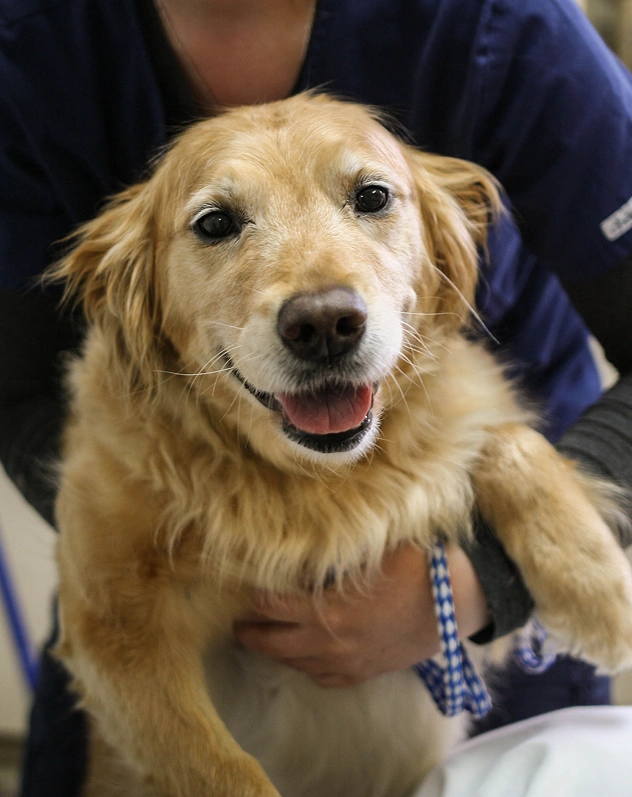


Pets can become sick or injured unexpectedly, leaving owners unsure about how quickly they should seek veterinary attention. Knowing the warning signs that require prompt medical care can help protect your pet’s health, reduce discomfort, and improve recovery. Borash Veterinary Clinic is dedicated to helping pet owners recognize situations that need timely veterinary evaluation so they can make informed decisions when their companions need immediate medical attention.
Not every health concern requires the same level of urgency, but delaying care for certain conditions can lead to unnecessary complications. Understanding when to seek prompt veterinary treatment allows pets to receive the care they need before their condition worsens. For families in Peabody, MA, as well as those throughout Peabody, Danvers, Lynn, Beverly, Salem, and the surrounding area, knowing when to choose urgent veterinary care is an important part of responsible pet ownership.
What Is Urgent Veterinary Care?
Urgent veterinary care is designed for illnesses and injuries that require prompt evaluation but may not require the highest level of critical intervention. These visits allow veterinarians to assess your pet’s condition, identify the underlying problem, relieve discomfort, and begin appropriate treatment as quickly as possible.
Receiving timely medical attention often helps prevent minor conditions from becoming more serious while improving your pet’s comfort and recovery.
Signs Your Pet Should Be Seen Promptly
Pets often hide signs of illness, making it important to watch for changes in behavior or physical condition.
You should contact your veterinarian if your pet experiences:
- Persistent vomiting or diarrhea
- Difficulty breathing
- Sudden weakness or collapse
- Loss of appetite lasting longer than 24 hours
- Difficulty walking or sudden limping
- Eye injuries or sudden swelling
- Trouble urinating or inability to urinate
- Bite wounds or deep cuts
- Continuous bleeding that does not stop with gentle pressure
- Severe allergic reactions, including facial swelling
Prompt veterinary evaluation helps determine the cause of these symptoms and allows treatment to begin as soon as possible.
Common Conditions That May Need Urgent Care
Several illnesses and injuries benefit from immediate veterinary attention.
Digestive Problems
Repeated vomiting, persistent diarrhea, abdominal pain, or bloating can quickly lead to dehydration and other complications if left untreated.
Injuries
Falls, cuts, puncture wounds, burns, broken nails, or suspected fractures should be examined promptly to reduce pain and lower the risk of infection.
Urinary Issues
Difficulty urinating is especially concerning in cats and should never be ignored. Early treatment may prevent serious complications.
Eye Problems
Eye injuries, excessive discharge, sudden redness, or cloudiness require timely evaluation to help protect your pet’s vision.
Allergic Reactions
Pets may develop allergic reactions to foods, insect stings, medications, or environmental triggers. Swelling, hives, or breathing difficulty should be assessed without delay.
What to Do Before Traveling to the Veterinary Clinic
If your pet develops concerning symptoms, remaining calm can make the situation easier to manage.
Before leaving home:
- Keep your pet warm and comfortable.
- Limit movement if an injury is suspected.
- Use a secure leash or carrier during transportation.
- Avoid giving human medications unless instructed by a veterinarian.
- Bring a list of your pet’s medications if applicable.
- Make note of when symptoms first appeared and whether they have worsened.
Calling ahead can help the veterinary team prepare for your pet’s arrival and offer guidance while you are on your way.
What Happens During an Urgent Veterinary Visit?
Every pet’s condition is different, but most visits include several important steps.
Your veterinarian will typically:
- Review your pet’s medical history.
- Perform a complete physical examination.
- Evaluate pain and overall condition.
- Recommend diagnostic tests if needed.
- Explain treatment recommendations.
- Provide home care instructions and follow-up guidance.
Clear communication allows owners to better understand their pet’s diagnosis and treatment plan.
Why Acting Quickly Matters
Some illnesses progress gradually, while others worsen within a short period.
Seeking urgent pet care when concerning symptoms first appear may:
- Reduce discomfort
- Prevent complications
- Improve treatment success
- Shorten recovery time
- Support better long-term health
Although not every illness requires immediate evaluation, contacting your veterinarian early is often the safest decision whenever you are uncertain.
How Preventive Care Supports Better Outcomes
Routine wellness care cannot prevent every illness or injury, but it plays an important role in maintaining overall health.
Preventive healthcare includes:
- Routine wellness examinations
- Vaccinations
- Parasite prevention
- Dental care
- Nutritional guidance
- Regular health screenings
Healthy pets are often better equipped to recover from illness or injury. In addition, regular veterinary visits allow many medical conditions to be detected before they become more difficult to manage.
When Should You Call Your Veterinarian?
If your pet develops any concerning symptoms, contacting your veterinary team is the best first step.
Call promptly if your pet experiences:
- Difficulty breathing
- Persistent vomiting
- Bloody diarrhea
- Sudden weakness
- Difficulty standing
- Trouble urinating
- Seizures
- Suspected poisoning
- Severe pain
- Continuous bleeding
Speaking with a veterinary professional helps determine whether your pet should be evaluated immediately and what steps you should take before arriving.
Be Prepared Before an Urgent Situation Happens
Preparing in advance can help reduce stress when your pet becomes ill or injured.
Keep these items readily available:
- Your veterinarian’s phone number
- Current medication list
- Vaccination records
- Medical history
- Transportation carrier or leash
- Basic pet first-aid supplies
Having this information accessible allows you to focus on getting your pet the care they need as quickly as possible.
Prompt Care Can Help Protect Your Pet’s Health
Knowing when to seek veterinary attention is one of the most important responsibilities of being a pet owner. Paying close attention to changes in your pet’s behavior, appetite, mobility, or overall condition can make a meaningful difference in their recovery and long-term health.
If you’re looking for a trusted veterinarian serving Peabody, Danvers, Lynn, Beverly, Salem, and the surrounding area, contact Borash Veterinary Clinic if your pet is experiencing symptoms that require prompt evaluation. Our compassionate team provides urgent pet care for a wide range of illnesses and injuries. Call 978-531-8713 to speak with our team and receive guidance on the next best step for your pet.
Frequently Asked Questions
Q1. What situations require urgent veterinary care?
Ans: Pets should receive prompt veterinary attention for symptoms such as persistent vomiting, breathing difficulties, sudden weakness, urinary problems, significant injuries, eye issues, or continuous bleeding.
Q2. Should I call before bringing my pet to the clinic?
Ans: Yes. Calling ahead allows the veterinary team to prepare for your arrival, provide instructions during transport, and better assess your pet’s condition before you arrive.
Q3. Can I give my pet human pain medication while traveling to the veterinarian?
Ans: No. Many human medications are harmful to pets. Only give medication that has been specifically recommended by your veterinarian.
Q4. What should I bring to an urgent veterinary appointment?
Ans: Bring your pet’s medication list, medical history, vaccination records if available, and any information about recent symptoms or possible toxin exposure.
Q5. How do I know if my pet’s condition can wait for a routine appointment?
Ans: If your pet has difficulty breathing, repeated vomiting, trouble urinating, severe pain, sudden weakness, seizures, or uncontrolled bleeding, contact your veterinarian promptly rather than waiting for a routine visit.
Q6. Can preventive care reduce the need for urgent veterinary visits?
Ans: Routine wellness exams, vaccinations, parasite prevention, dental care, and early disease detection help maintain your pet’s health and may reduce the likelihood of serious illnesses requiring urgent treatment.