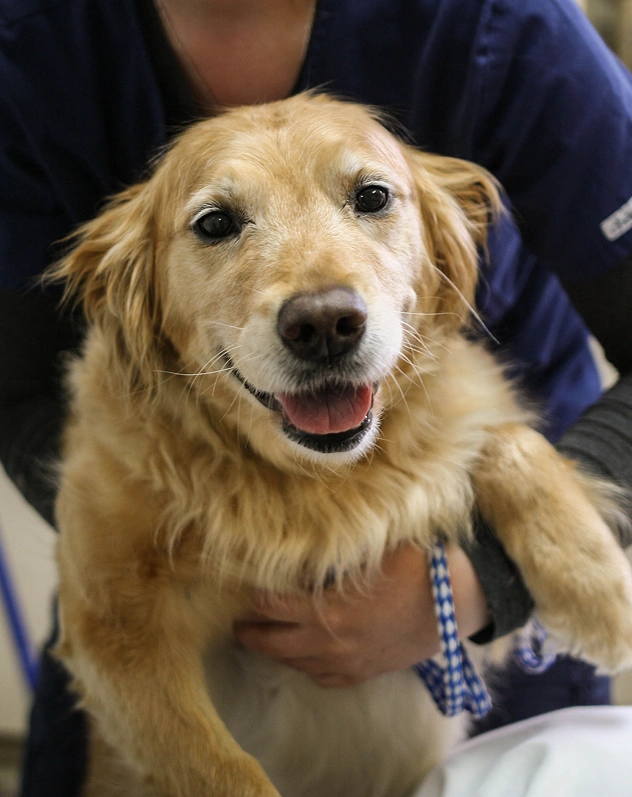


Labrador Retrievers are among the most popular dog breeds in the United States, and it is easy to understand why. Labs are affectionate, intelligent, energetic, and often eager to participate in family activities. Their friendly personalities can make them wonderful companions for families, active individuals, and first-time dog owners. However, their easygoing nature does not mean they require little care.
A healthy Labrador needs much more than food, water, and occasional walks. Proper exercise, nutrition, training, grooming, dental care, preventive health care, and mental stimulation all contribute to a Labrador’s quality of life. Because Labs can also be prone to certain weight, joint, and other health concerns, owners should establish healthy habits early.
Whether you have just welcomed a Labrador puppy or are caring for an adult or senior Lab, understanding the breed’s needs can help you make better everyday decisions. A consistent routine also makes it easier to notice changes in appetite, energy, mobility, or behavior.
Regular examinations at an animal hospital can further support your Labrador’s long-term health. Your veterinarian can recommend preventive care based on your dog’s age, lifestyle, medical history, and individual risk factors.
Understanding the Labrador Retriever
Labrador Retrievers were originally developed as working dogs associated with retrieving game and assisting fishermen. Today, they serve as beloved family companions as well as service, assistance, detection, and sporting dogs.
Their working background explains several characteristics owners commonly notice.
Labs tend to be:
- Energetic
- Social
- Intelligent
- Food motivated
- Playful
- Affectionate
- Eager to learn
- Interested in retrieving and carrying objects
These traits can make Labs highly trainable. However, they can also lead to boredom or unwanted behaviors when a dog does not receive enough exercise and mental stimulation.
Therefore, Labrador care should focus on both physical and mental needs.
How Much Exercise Does a Labrador Retriever Need?
Exercise is one of the most important parts of Labrador care.
Adult Labs typically benefit from daily physical activity, but the ideal amount varies according to age, health, conditioning, and individual temperament.
Activities can include:
- Brisk walks
- Fetch
- Swimming
- Hiking
- Retrieving games
- Structured play
- Obedience exercises
- Food puzzles
- Scent-based games
However, more exercise is not always better.
Growing puppies have developing bones and joints, so owners should avoid excessive forced exercise and repetitive high-impact activities. Older Labs may also need shorter, lower-impact activities if they develop mobility problems.
Instead of focusing only on how long your dog exercises, pay attention to how they respond before, during, and after activity.
Labrador Puppy Exercise Needs
Labrador puppies have plenty of energy, but they still need age-appropriate activity.
Short play sessions, basic training, controlled walks, and exploration can provide appropriate stimulation.
Avoid turning every play session into intense running or jumping.
Puppies also need substantial rest.
A balanced routine should include periods for:
- Eating
- Playing
- Training
- Exploring
- Sleeping
- Quiet time
As your puppy matures, your veterinarian can help you determine when and how to increase physical activity safely.
Feed Your Labrador a Balanced Diet
Nutrition plays a major role in maintaining a healthy Labrador Retriever.
Choose a complete and balanced dog food appropriate for your dog’s life stage. Puppies, adults, and senior dogs have different nutritional requirements, so feeding the same type and quantity of food throughout life may not be appropriate.
Portion control also matters.
Labradors are often enthusiastic eaters, and some may gain excess weight when owners provide oversized meals or too many treats.
Your veterinarian can help determine an appropriate feeding amount based on your dog’s:
- Age
- Weight
- Body condition
- Activity level
- Health status
- Food type
Measure meals instead of estimating portions.
Why Weight Management Matters for Labradors
Keeping your Labrador at a healthy weight is one of the most valuable things you can do for their long-term well-being.
Excess weight can place additional stress on the joints and may contribute to reduced mobility and other health problems.
You should be able to feel your dog’s ribs without pressing excessively, while the waist should be visible when viewed from above.
However, body shape can vary between individual dogs.
Ask your veterinarian to assess your Labrador’s body condition rather than relying solely on the number displayed on a scale.
Be Careful With Treats
Treats are useful during training, especially because Labradors often respond enthusiastically to food rewards.
However, treats can quickly add extra calories.
Consider using small training treats or breaking larger treats into smaller pieces.
You can also use part of your dog’s regular food allowance during training when appropriate.
Avoid giving table scraps frequently, particularly foods that are high in fat, salt, or unhealthy ingredients.
Start Labrador Training Early
Labradors are intelligent and generally eager to please, making positive reinforcement an effective training approach.
Begin with basic skills such as:
- Sit
- Stay
- Come
- Leave it
- Drop it
- Wait
- Loose-leash walking
- Appropriate greetings
Keep training sessions short and engaging.
Reward desirable behavior immediately so your dog can understand which action earned the reward.
Avoid harsh punishment. Instead, focus on teaching your dog what you want them to do.
Socialize Your Labrador
Socialization helps puppies become comfortable with different people, animals, environments, sounds, surfaces, and everyday experiences.
Introduce new experiences gradually and positively.
A well-socialized dog does not need to interact with every person or dog they encounter. Instead, they should learn to remain calm and comfortable around different situations.
Puppy classes can also provide structured opportunities for learning and controlled social experiences when appropriate.
Provide Daily Mental Stimulation
Physical exercise alone may not satisfy an active Labrador.
Mental stimulation can help prevent boredom and encourage healthy problem-solving.
Try:
- Puzzle feeders
- Treat-dispensing toys
- Scent games
- Hide-and-seek
- Obedience training
- Retrieving games
- New walking routes
- Interactive toys
- Simple trick training
For example, hide several pieces of your dog’s daily food around a safe room and encourage them to find them using their nose.
These activities can turn mealtime and playtime into opportunities for enrichment.
Labrador Retriever Grooming Basics
Labradors have short, dense coats that are relatively easy to maintain.
However, they shed regularly, and many owners notice heavier shedding during seasonal changes.
Regular brushing can help remove loose hair and keep the coat clean.
Depending on your dog’s needs, grooming may include:
- Brushing
- Nail trimming
- Ear checks
- Bathing
- Dental care
- Coat inspection
You do not need to bathe your Labrador excessively.
Too-frequent bathing can interfere with the skin’s natural oils and may contribute to irritation in some dogs.
Use a dog-specific shampoo when bathing is necessary.
Take Care of Your Labrador’s Ears
Labradors can be prone to ear problems, particularly because their floppy ears can limit airflow around the ear canal.
Check the ears regularly for:
- Redness
- Swelling
- Unusual odor
- Excessive discharge
- Scratching
- Head shaking
- Sensitivity
Do not insert cotton swabs deep into the ear canal.
If you notice signs of an ear problem, have your veterinarian examine your dog rather than relying on home remedies.
Dental Care Is Part of Labrador Care
Dental health should not be overlooked.
Plaque and tartar can accumulate on the teeth, potentially contributing to gum disease and discomfort.
A home dental routine can include regular tooth brushing with toothpaste specifically formulated for dogs.
Never use human toothpaste unless a veterinarian specifically recommends a product that is safe for pets.
Dental chews may provide additional support, but they should not replace professional dental evaluation or an appropriate home care routine.
Keep Your Labrador Mentally and Physically Safe
Labradors are naturally curious and may investigate food, objects, and unfamiliar items.
Keep potentially dangerous household products out of reach.
This includes medications, toxic foods, cleaning products, chemicals, and small objects that could be swallowed.
Also, supervise your Labrador around water.
Many Labs enjoy swimming, but not every dog is a strong swimmer, and even strong swimmers can become exhausted or encounter hazards.
Use appropriate safety equipment when necessary.
Schedule Preventive Veterinary Care
Preventive care allows your veterinarian to monitor your Labrador’s health before problems become advanced.
Routine visits may include:
- Physical examinations
- Vaccinations
- Parasite prevention
- Weight assessment
- Dental evaluation
- Nutrition discussions
- Behavioral guidance
- Screening tests when appropriate
The schedule should be customized according to your dog’s age, lifestyle, risk factors, and health history.
Puppies generally require more frequent visits during their first year because they need vaccinations, developmental monitoring, and other preventive care.
Adult and senior Labs also benefit from regular wellness examinations.
Understand Common Labrador Health Concerns
Labradors can experience various health conditions, although not every Lab will develop them.
Owners should pay attention to changes involving:
- Weight
- Mobility
- Skin
- Ears
- Appetite
- Digestion
- Energy
- Behavior
- Urination
- Drinking habits
Some Labradors may develop joint problems, obesity, ear issues, skin problems, or other conditions.
Early evaluation can make it easier to identify a problem and determine an appropriate treatment plan.
Caring for an Adult Labrador
Adult Labradors often remain energetic and playful well into adulthood.
Maintain a predictable daily routine that includes exercise, training, enrichment, feeding, rest, and social interaction.
Continue monitoring weight carefully.
As your dog becomes more mature, you may need to adjust food portions or exercise based on changes in activity level and body condition.
Do not assume that an adult Labrador needs exactly the same routine throughout their entire life.
Caring for a Senior Labrador
Senior Labs may gradually experience changes in mobility, hearing, vision, energy, sleep patterns, or behavior.
You may need to make simple adjustments around the home.
Consider:
- Providing supportive bedding
- Using nonslip rugs
- Limiting access to unsafe stairs
- Choosing shorter walks
- Providing gentle enrichment
- Keeping food and water easily accessible
- Monitoring weight
- Scheduling appropriate wellness examinations
Do not assume that slowing down is always a normal part of aging.
A noticeable change in mobility, appetite, thirst, bathroom habits, or behavior deserves veterinary attention.
Build a Consistent Daily Routine
Labradors often thrive when they know what to expect.
A simple daily schedule might include:
Morning: Bathroom break, breakfast, short walk, and basic training.
Midday: Rest, enrichment activity, and another bathroom break.
Afternoon: Interactive play or a walk based on age and health.
Evening: Dinner, relaxed family time, gentle training, and another bathroom break.
Night: Quiet rest in a comfortable sleeping area.
Your dog’s schedule does not need to follow these exact times. Consistency matters more than a rigid timetable.
After 60% of the Guide: Know When Your Labrador Needs Help
Even attentive owners may occasionally struggle to determine whether a change is minor or requires professional attention. Borash Veterinary Clinic can help evaluate changes in your Labrador’s appetite, weight, mobility, skin, ears, behavior, and overall health.
Contact your veterinary team if you notice sudden or persistent changes, especially if your dog appears painful, unusually tired, refuses food, vomits repeatedly, has significant diarrhea, experiences breathing difficulty, or shows other concerning symptoms.
When in doubt, professional evaluation is safer than waiting for symptoms to worsen.
How to Keep Your Labrador Happy
Good Labrador care is about more than preventing illness.
Your dog also needs opportunities to enjoy life.
Spend quality time together through walks, games, training, exploration, and calm companionship.
Because Labradors often enjoy participating in family activities, include them when appropriate.
Give them safe ways to use their natural abilities.
Retrieving games, scent work, puzzle toys, and obedience training can all provide meaningful enrichment.
At the same time, teach your dog how to relax.
A Labrador should learn that not every moment requires excitement or activity.
Taking care of a Labrador Retriever requires consistency, patience, and an understanding of the breed’s physical and emotional needs.
Provide a nutritionally balanced diet, maintain a healthy weight, offer age-appropriate exercise, and use positive training methods. In addition, provide regular grooming, dental care, mental stimulation, socialization, and preventive veterinary care.
Most importantly, learn your individual dog’s normal behavior.
When you know how your Labrador usually eats, sleeps, plays, walks, and interacts with the family, you are more likely to notice meaningful changes early.
A lifelong approach to health can help your Labrador remain active, comfortable, and engaged through every stage of life.
If you have concerns about your Labrador’s health, nutrition, behavior, or preventive care, schedule your appointment with Borash Veterinary Clinic for personalized guidance based on your dog’s individual needs.
Frequently Asked Questions
Q1. How often should I exercise my Labrador Retriever?
Ans: Most healthy adult Labradors need daily physical activity, but the appropriate amount depends on age, health, fitness, and individual energy level. Walks, retrieving games, swimming, and structured play can provide exercise. Puppies and senior dogs need age-appropriate activity rather than excessive exercise.
Q2. What should I feed my Labrador Retriever?
Ans: Feed a complete and balanced diet appropriate for your Labrador’s life stage. Puppies, adults, and senior dogs may have different nutritional requirements. Portion size should also account for body condition and activity level. Your veterinarian can help determine an appropriate feeding plan.
Q3. Are Labradors difficult to train?
Ans: Labradors are generally intelligent and food motivated, which can make them highly responsive to training. Start with basic commands, use positive reinforcement, keep sessions engaging, and remain consistent. Early socialization and training can help prevent unwanted behaviors.
Q4. How often should I groom a Labrador Retriever?
Ans: Labradors have relatively low-maintenance coats, but they shed regularly. Brushing several times a week can help remove loose hair and keep the coat in good condition. Bathing should be based on your dog’s lifestyle and cleanliness rather than an overly frequent schedule.
Q5. How can I prevent my Labrador from becoming overweight?
Ans: Measure meals, limit high-calorie treats, provide regular exercise, and monitor your dog’s body condition. Avoid routinely feeding table scraps. Regular veterinary examinations can also help identify weight gain early and allow you to adjust your Labrador’s diet and activity plan.
Q6. How often should a Labrador Retriever see a veterinarian?
Ans: The appropriate schedule depends on your dog’s age, health, lifestyle, and individual risk factors. Puppies usually need several visits during their first year, while healthy adult dogs commonly require regular wellness examinations. Senior dogs may benefit from more frequent monitoring.