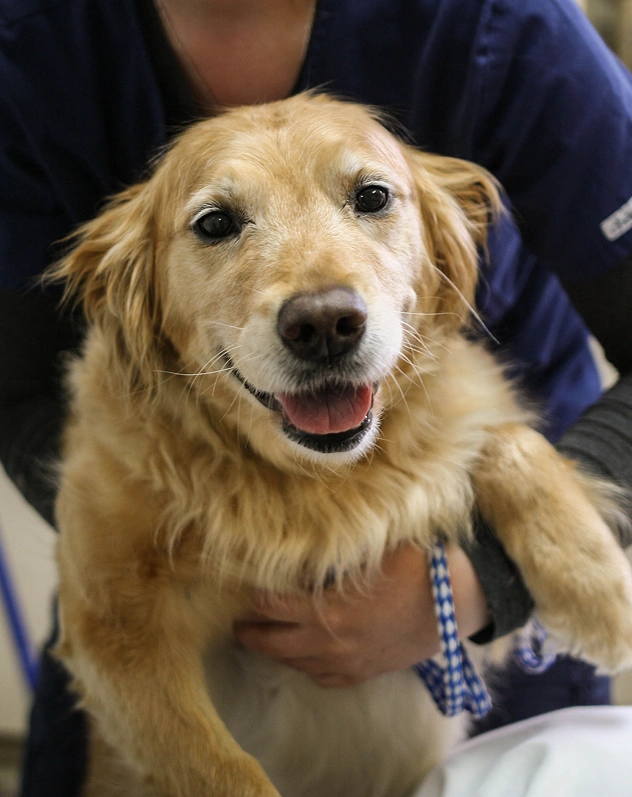

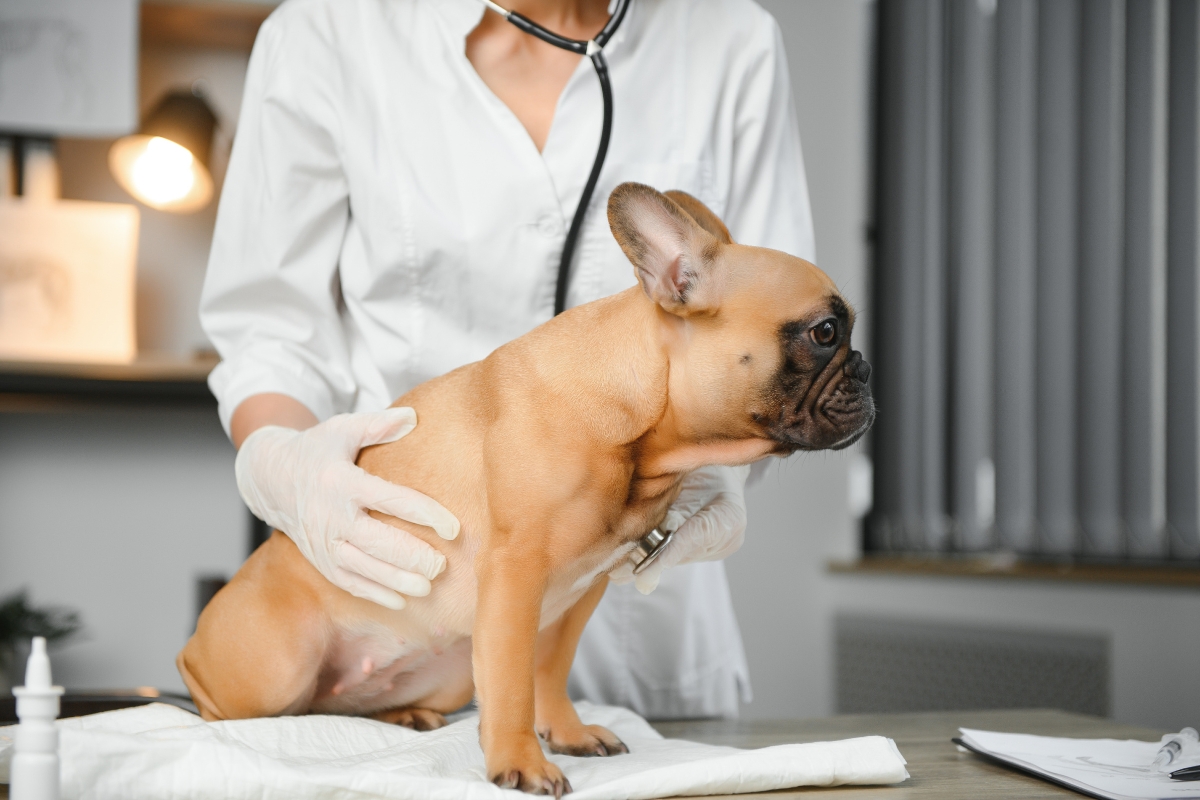
Pets bring companionship, comfort, and joy to families, but their healthcare needs change as they grow. A young puppy or kitten requires support for growth, development, and immune function, while adult pets need consistent care to maintain their overall health. Senior pets often require closer observation to support mobility, comfort, and changing health needs.
At Borash Veterinary Clinic, pet owners can learn how age-based healthcare routines help support their companions throughout every stage of life. A proper preventive care plan focuses on maintaining wellness, identifying possible concerns early, and helping pets receive the attention they need before health issues become more difficult to manage.
Every pet ages differently based on breed, size, genetics, lifestyle, and environment. Understanding the needs of each life stage allows pet parents to create a routine that supports their pet’s health from their earliest days through their senior years.
Why Does Pet Care Change as Pets Age?
A pet’s nutritional needs, activity level, and healthcare requirements naturally change over time. The routine that supports a growing puppy or kitten may not provide the same benefits for an adult or senior pet.
Age-appropriate preventive pet care helps with:
- Supporting healthy growth and development
- Maintaining a healthy weight and activity level
- Monitoring changes in behavior and physical condition
- Addressing dental and wellness needs
- Recognizing potential health concerns early
Regular veterinary visits are important because some health changes may develop gradually without clear warning signs. Routine examinations allow veterinarians to monitor changes in weight, dental health, skin condition, mobility, and overall wellness.
Puppy and Kitten Care: Building Healthy Foundations
The first year of a pet’s life is an important period for physical and behavioral development. Puppies and kittens are learning about their surroundings while their bodies are growing rapidly.
Creating healthy habits during this stage can support better wellness throughout adulthood.
Veterinary Visits During Early Life
Young pets need regular veterinary examinations to monitor growth and receive recommended healthcare support. These visits provide opportunities to discuss vaccinations, nutrition, parasite protection, and behavior concerns.
Important parts of puppy and kitten care include:
- Following recommended vaccination schedules
- Discussing parasite prevention options
- Monitoring healthy growth patterns
- Learning proper feeding practices
- Discussing sterilization options when appropriate
Early veterinary visits also help pets become comfortable with handling and routine examinations, making future healthcare experiences easier.
Nutrition and Exercise for Growing Pets
Puppies and kittens have different dietary requirements compared with adult pets. Their food should support healthy development and provide the energy needed for growth.
A healthy routine for young pets includes:
- Providing age-appropriate nutrition
- Maintaining regular feeding schedules
- Offering fresh water daily
- Monitoring body condition
- Avoiding excessive treats
Exercise and play are also essential during early life. Activities should encourage movement, learning, and confidence while avoiding unnecessary stress on developing bones and joints.
Dental and Behavioral Care for Puppies and Kittens
Dental habits should begin early because oral health plays an important role throughout a pet’s life. Introducing tooth brushing and regular mouth checks at a young age can help pets become comfortable with dental care.
Socialization and training are also important during this stage. Positive experiences with people, environments, and other animals can support healthy behaviors as pets mature.
Adult Pet Care: Maintaining Long-Term Wellness
Adult pets often appear healthy, but they still require consistent care. Some health concerns may develop slowly, making regular monitoring an important part of maintaining wellness.
Routine Health Evaluations for Adult Pets
Adult pets benefit from regular veterinary examinations based on their age, lifestyle, and health history.
These visits may include:
- Physical health assessments
- Weight monitoring
- Dental evaluations
- Vaccination updates
- Nutrition discussions
- Lifestyle recommendations
Regular evaluations help identify changes that may not be noticeable during daily interactions at home.
Creating a Healthy Adult Pet Routine
A balanced daily routine supports an adult pet’s physical and mental well-being.
Important habits include:
- Providing regular exercise
- Offering mental stimulation through play
- Maintaining proper nutrition
- Monitoring skin and coat condition
- Continuing dental care
Weight management is especially important during adulthood. Maintaining a healthy body condition may help reduce unnecessary stress on joints and support comfortable movement.
Dental health should also remain a priority. Bad breath, chewing changes, or difficulty eating may indicate oral discomfort and should be discussed with a veterinarian.
Senior Pet Care: Supporting Health During Later Years
As pets enter their senior stage, their bodies may experience gradual changes. Older pets may show differences in energy levels, mobility, appetite, sleep patterns, or behavior.
While some changes can happen with aging, others may indicate an underlying health concern that requires veterinary evaluation.
Monitoring Senior Pet Health
Senior pets may benefit from closer health monitoring because certain conditions can develop without obvious symptoms.
Pet owners should schedule a veterinary examination if they notice:
- Sudden weight changes
- Reduced activity
- Difficulty walking or climbing
- Changes in eating or drinking habits
- Increased tiredness
- New behavioral changes
- Changes in bathroom habits
Similar signs can have different causes, so a professional evaluation is important before determining the reason behind these changes.
Adjusting the Routine for Older Pets
Small changes at home can help senior pets stay comfortable and maintain their quality of life.
Helpful adjustments include:
- Providing comfortable resting areas
- Keeping food and water easily accessible
- Offering gentle exercise
- Supporting mobility when needed
- Maintaining predictable daily routines
Senior pets may also need adjustments to their nutrition and activity levels. A veterinarian can provide guidance based on the pet’s health status and lifestyle.
How Regular Healthcare Supports Pets at Every Age
A consistent healthcare routine helps pets receive the right attention as their needs change. From early vaccinations and growth monitoring to senior wellness assessments, regular veterinary support plays an important role in lifelong health.
Pet owners can support their companions by maintaining:
- Routine wellness examinations
- Balanced nutrition
- Regular activity
- Dental care habits
- Parasite protection
- Safe home environments
Following a complete healthcare approach can help detect changes early and allow timely recommendations for your pet’s needs. If you want guidance on creating an age-based wellness routine, you can visit our veterinary clinic to discuss nutrition, examinations, and ongoing health planning.
When Should You Contact a Veterinarian?
Pet owners often notice small changes before a health concern becomes obvious. Paying attention to unusual symptoms can help determine when professional guidance may be needed.
Schedule a veterinary appointment if your pet experiences:
- Ongoing vomiting or diarrhea
- Changes in eating or drinking habits
- Breathing changes
- Signs of dental discomfort
- Difficulty moving normally
- Sudden behavior changes
- Unexplained weakness or tiredness
Some situations require immediate attention, including breathing difficulties, collapse, severe injuries, or possible exposure to harmful substances.
Help Your Pet Stay Healthy Through Every Stage of Life
Every stage of a pet’s life comes with different needs. Puppies and kittens require support during growth, adult pets need consistent wellness maintenance, and senior pets benefit from careful monitoring and lifestyle adjustments.
At Borash Veterinary Clinic, pet parents in Peabody and the surrounding areas can receive guidance on creating a healthcare routine that supports their companion at every age. A comprehensive preventive care approach promotes early detection, ongoing monitoring, and better support for pets throughout their lives.
Whether you are caring for a new puppy, an adult companion, or a senior pet, maintaining a consistent wellness routine is one of the most valuable steps you can take. With regular veterinary care and thoughtful daily care, pets can continue to enjoy a healthier, more comfortable life at every stage. If you have questions about your pet’s preventive care needs, contact Borash Veterinary Clinic to discuss an appropriate wellness plan.
FAQs
Q1. How often should pets have wellness examinations?
Ans. Most pets benefit from regular wellness examinations at least once a year. The recommended schedule may vary depending on age, health condition, lifestyle, and individual needs.
Q2. What care does a puppy or kitten need during the first year?
Ans. Young pets need regular veterinary visits, vaccinations, proper nutrition, parasite protection, dental care, exercise, and socialization to support healthy development.
Q3. Do older pets need more frequent veterinary visits?
Ans. Senior pets may need closer monitoring because age-related health changes can develop gradually. Regular examinations help track changes and support their comfort.
Q4. How can I keep my pet healthy throughout their life?
Ans. A consistent routine that includes proper nutrition, exercise, dental care, enrichment, and veterinary visits can help support wellness during every life stage.
Q5. What signs mean my pet should see a veterinarian?
Ans. Changes in appetite, weight, energy, behavior, mobility, or bathroom habits may indicate that your pet should be evaluated by a veterinary professional.
Q6. Can regular checkups help find health problems early?
Ans. Yes. Routine examinations allow veterinarians to monitor changes and identify concerns that may not be visible at home.