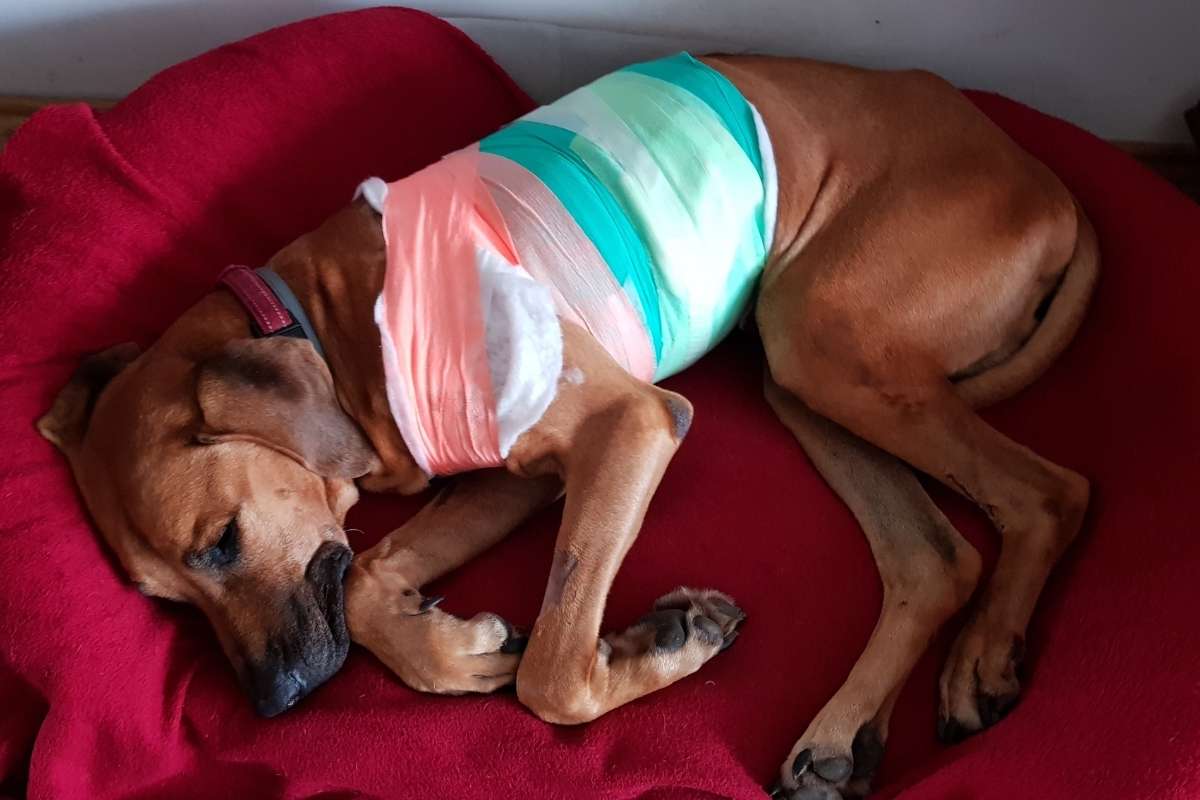

A dog that once ran excitedly toward the door may suddenly hesitate to stand, avoid stairs, or struggle to put weight on a back leg. These changes can indicate a cranial cruciate ligament (CCL) injury, one of the most common causes of hind-leg lameness in dogs. When the ligament becomes damaged, ordinary movements can become painful, making it difficult for your dog to enjoy familiar activities.
For pet owners in Peabody, understanding surgical treatment options can make decisions about their dog’s health less stressful. This guide explains how TPLO surgery works, what happens during recovery, and how proper aftercare can help dogs regain mobility, comfort, and confidence in their everyday routines.
What Is TPLO Surgery for Dogs?
Tibial Plateau Leveling Osteotomy (TPLO) is an orthopedic procedure used to stabilize a dog’s knee after damage to the cranial cruciate ligament.
The CCL connects the thighbone to the shinbone and helps prevent abnormal movement within the knee. When this ligament tears or weakens, the joint becomes unstable, leading to inflammation, discomfort, and difficulty walking.
Rather than replacing the damaged ligament, TPLO changes the angle of the upper shinbone to improve knee stability during weight-bearing activities.
The procedure is often considered for:
- Dogs with complete or partial CCL tears.
- Active dogs experiencing persistent knee instability.
- Large breeds with significant joint stress.
- Dogs whose mobility has not improved with nonsurgical treatment.
- Dogs experiencing recurring lameness from cruciate ligament disease.
Although TPLO can substantially improve knee function, a veterinary examination is necessary to determine whether it is appropriate.
Warning Signs of a Cruciate Ligament Injury
Cruciate ligament problems do not always begin with a dramatic injury. Some dogs develop ligament damage gradually, making early symptoms easy to overlook.
Common warning signs include:
- Limping or avoiding weight on one hind leg.
- Difficulty standing after resting.
- Hesitation when climbing stairs.
- Swelling around the knee.
- Sitting with one hind leg extended outward.
- Reduced interest in running or playing.
- Stiffness after physical activity.
Some dogs continue walking despite significant ligament damage. However, repeated instability can contribute to meniscal injuries and worsening arthritis.
If your dog suddenly develops severe lameness, arrange a veterinary examination promptly. Early assessment helps identify the cause and determine appropriate treatment.
How Is TPLO Surgery Performed?
TPLO requires careful planning because the procedure changes the mechanics of the knee joint.
At our veterinary clinic, surgical planning begins with a medical assessment. Our team also works with a visiting surgeon who performs specialized orthopedic procedures, including TPLO.
Step 1: Pre-Surgical Examination and Testing
Before considering pet surgery, our vets evaluate your dog’s overall health, medical history, mobility, and orthopedic condition.
Diagnostic imaging helps assess the knee and measure the angle of the tibial plateau. Preoperative bloodwork also helps evaluate your dog’s suitability for anesthesia.
Step 2: Anesthesia and Surgical Preparation
The surgical team administers general anesthesia and prepares the affected leg. Anesthesia monitoring and pain-control measures help support your dog’s safety and comfort throughout the procedure.
Step 3: Adjusting the Tibial Plateau
The surgeon makes a curved cut near the upper portion of the tibia. The bone segment is carefully rotated to the planned angle, changing how forces act across the knee during movement.
Step 4: Stabilizing the Bone
A surgical plate and screws secure the repositioned bone while healing takes place. The surgeon may also inspect the meniscus and address damage when necessary.
Step 5: Postoperative Monitoring
Following surgery, the veterinary team monitors your dog’s recovery from anesthesia, comfort, and initial use of the affected leg.
Discharge instructions explain medications, activity restrictions, incision care, and follow-up appointments.
TPLO Surgery Recovery Timeline for Dogs
Most dogs require approximately 8–12 weeks of controlled recovery before gradually resuming more demanding activities. Full strength and conditioning may take several additional months.
Recovery varies depending on age, weight, overall health, and healing progress.
Typical TPLO Recovery Timeline
- Days 1–14: Rest and Incision Healing
Mild swelling, stiffness, and reduced appetite may occur initially. Short, leashed bathroom breaks and strict activity restrictions are essential. The incision is usually checked during this period. - Weeks 3–4: Early Mobility Improvement
Some dogs begin using the affected leg more consistently. However, running, jumping, and unrestricted movement remain unsafe. Activity increases only when approved by the veterinarian. - Weeks 5–8: Gradual Strength Recovery
Controlled walking and prescribed rehabilitation may help rebuild muscle strength. Follow-up X-rays are commonly used around this stage to assess bone healing. - Weeks 9–12: Returning to Daily Activities
If healing is satisfactory, the veterinarian may approve longer walks and gradually increased activity. High-impact exercise must wait until the surgeon confirms it is safe. - Months 3–6: Continued Conditioning
Many dogs progressively return to their usual routines. Larger dogs, senior pets, and those with additional joint problems may require longer rehabilitation.
These timeframes are general estimates. Your dog’s surgeon will determine when each activity is safe.
Essential Aftercare Tips for a Smooth Recovery
Recovery does not end when your dog leaves the hospital. Following postoperative instructions protects the healing bone and reduces the likelihood of complications.
Restrict Running, Jumping, and Stair Climbing
Keep your dog in a crate or small, quiet area when supervision is unavailable. Avoid slippery floors, furniture jumping, rough play, and unnecessary stairs. Use a leash for every outdoor bathroom break.
Keep the Surgical Incision Clean
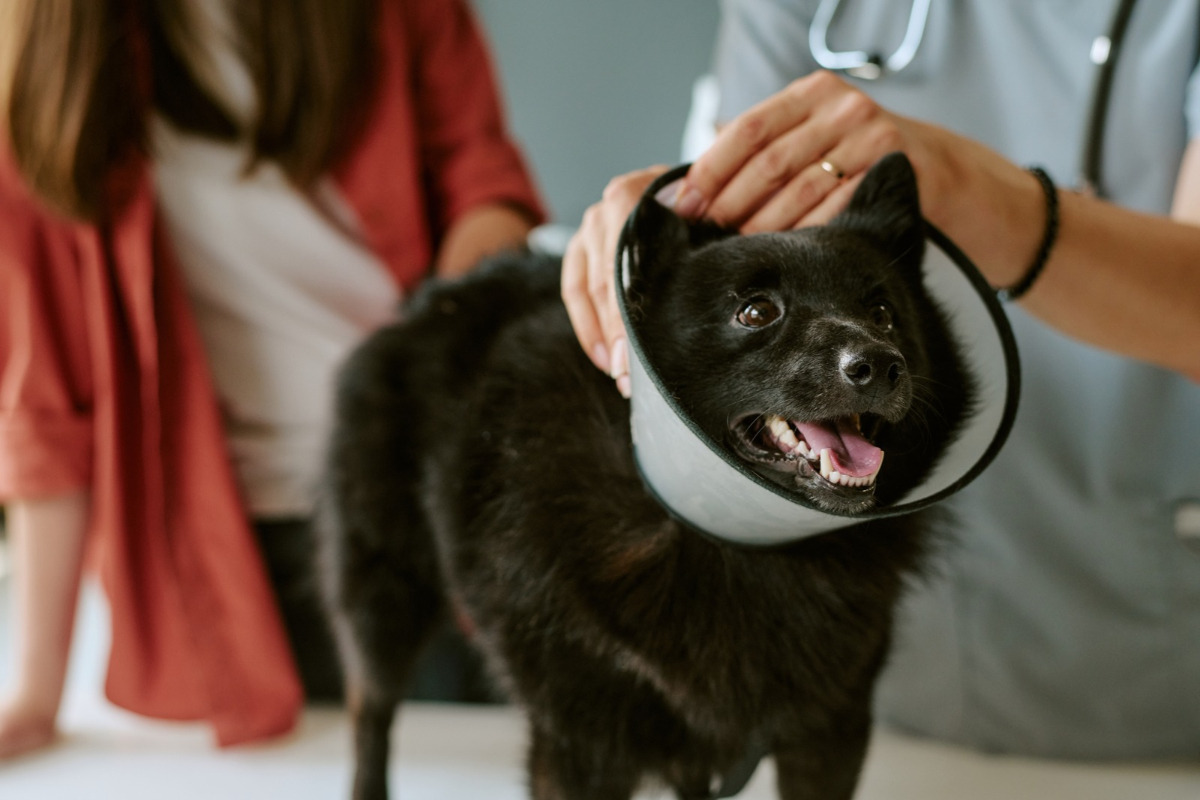
Inspect the incision daily for unusual redness, discharge, swelling, or separation. Prevent licking with an Elizabethan collar or another veterinarian-approved protective device. Avoid bathing until the incision has healed and your veterinarian approves.
Follow Medication Instructions Carefully
Administer prescribed medications exactly as directed. Never substitute human pain medications, including ibuprofen or acetaminophen, because they can cause serious toxicity in dogs.
Provide Comfortable Resting Arrangements
Choose a quiet recovery area with supportive bedding and easy access to food and water. Nonslip mats can improve footing, while a supportive harness or sling may help dogs that struggle to walk during early recovery.
Attend Every Follow-Up Appointment
Follow-up examinations allow your veterinarian to evaluate healing, assess mobility, and identify complications.
Recheck X-rays are particularly important before increasing exercise because improved walking does not necessarily mean the bone has fully healed.
Can Physical Rehabilitation Help After TPLO?
Physical rehabilitation can help restore muscle strength, flexibility, and controlled movement following orthopedic surgery.
Depending on your dog’s condition, a veterinarian may recommend:
- Gentle range-of-motion exercises.
- Short, supervised leash walks.
- Controlled weight-shifting activities.
- Strengthening exercises during later recovery.
- Professional canine rehabilitation sessions.
These activities must follow the surgeon’s instructions. Introducing exercises too early or increasing their intensity too quickly can interfere with healing.
Possible Complications Owners Should Recognize
Although many dogs recover successfully, complications can occur after TPLO.
Contact your veterinarian if you notice:
- Increasing swelling or redness around the incision.
- Discharge, bleeding, or an unpleasant odor.
- Sudden worsening of lameness.
- Severe discomfort despite prescribed medication.
- Loss of appetite that persists or worsens.
- Unusual lethargy or difficulty standing.
Implant problems, infection, delayed bone healing, and meniscal injuries are potential complications.
Recognizing changes early allows your veterinary team to investigate concerns before they become more serious.
Long-Term Mobility After TPLO Surgery
TPLO can provide lasting improvement in knee stability, allowing many dogs to return to comfortable walking and regular physical activity. However, surgery does not eliminate existing arthritis or prevent future joint problems. Maintaining a healthy body weight, encouraging appropriate exercise, and monitoring changes in mobility remain important throughout your dog’s life.
Dogs with one cruciate ligament injury may also develop problems in the opposite knee. Regular veterinary examinations can help identify new symptoms and support long-term joint health.
Help Your Dog Move Comfortably Again
Watching your dog struggle with knee pain can be upsetting, especially when simple activities become difficult. Fortunately, identifying the problem and choosing an appropriate treatment plan can help restore comfort and improve mobility.
At Borash Veterinary Clinic, we provide pet surgery consultations and work with a visiting surgeon for specialized orthopedic procedures, including TPLO. Our vets assess your dog’s condition, discuss treatment options, and explain what to expect throughout recovery.
If your dog is limping, avoiding stairs, or struggling to stand, don’t wait for the discomfort to worsen.
Call our veterinary clinic in Peabody to schedule an evaluation. Let us help your dog take the next steps toward comfortable movement and a more active life.
Frequently Asked Questions
Q1. How successful is TPLO surgery for dogs?
Ans. TPLO generally has favorable outcomes when performed on appropriate candidates. Many dogs regain substantial mobility after healing and rehabilitation. However, results depend on existing joint damage, overall health, postoperative care, and adherence to activity restrictions.
Q2. Can my dog walk immediately after TPLO surgery?
Ans. Many dogs begin placing some weight on the operated leg within the first several days. However, movement must remain restricted. Short, supervised leash walks for bathroom breaks are generally permitted according to the surgeon’s instructions.
Q3. Does Borash Veterinary Clinic offer TPLO surgery in Peabody?
Ans. Yes. Borash Veterinary Clinic works with a visiting surgeon who performs specialized orthopedic procedures, including TPLO. Our veterinary team can assess your dog’s knee condition, discuss available treatment options, and coordinate appropriate surgical care.
Q4. How can Borash Veterinary Clinic help with TPLO recovery in Peabody?
Ans. Our team at Borash Veterinary Clinic can guide owners through postoperative instructions, medication management, activity restrictions, and follow-up planning. Recovery recommendations depend on the surgeon’s instructions and your dog’s individual healing progress.
Q5. Will my dog develop arthritis after TPLO surgery?
Ans. Arthritis may continue developing after surgery because the original ligament injury can cause lasting joint changes. TPLO improves mechanical stability but does not reverse existing cartilage damage. Weight management, appropriate exercise, and veterinary monitoring can support joint comfort.
Q6. When should I contact the Borash Veterinary Clinic about my dog’s knee injury?
Ans. If your dog develops persistent limping, knee swelling, stiffness, or difficulty bearing weight, contact Borash Veterinary Clinic in Peabody. Our vets can evaluate the problem, discuss diagnostic testing, and determine whether an orthopedic surgical consultation is appropriate.
Related Articles