
Bringing your pet home after surgery is often a relief, but the recovery period is just as important as the procedure itself. One of the first things many pet owners notice is the plastic cone placed around their pet’s neck. While it may look uncomfortable or inconvenient, the Elizabethan collar, commonly called an E-collar or “cone of shame,” serves a vital purpose in protecting your pet as they heal.
Many dogs and cats instinctively lick, chew, or scratch at surgical sites. Although this behavior is natural, it can interfere with healing and increase the risk of complications. Understanding why your pet needs an E-collar can help you feel more confident about keeping it on throughout the recovery process.
What Is an E-Collar?
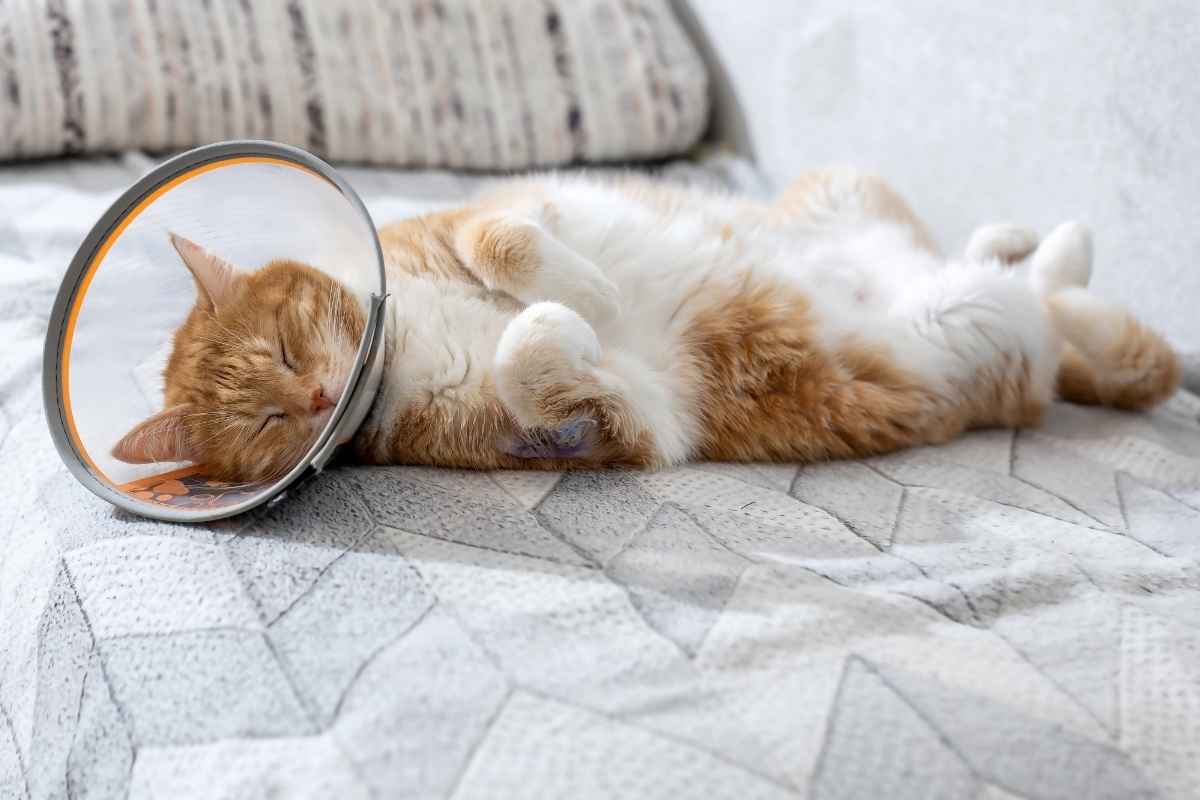
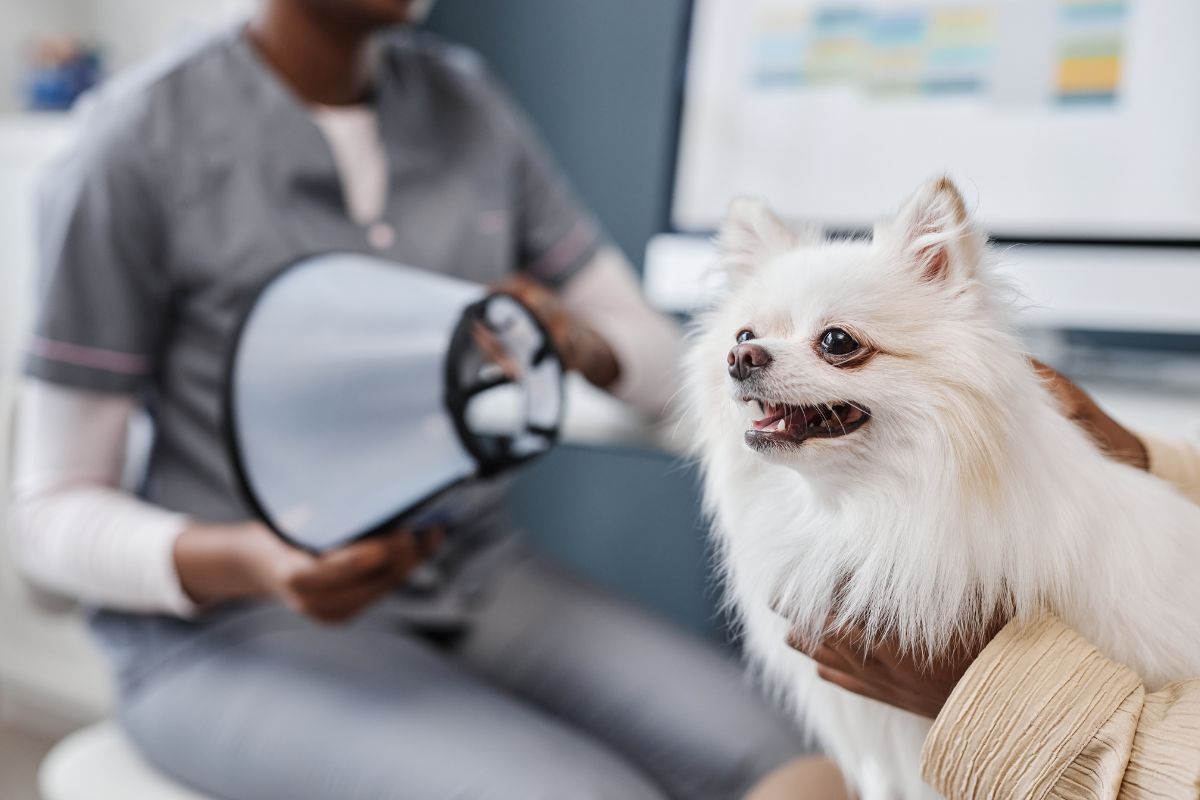
An E-collar is a protective medical device designed to prevent pets from reaching healing wounds, surgical incisions, bandages, or irritated skin.
Traditional E-collars are made from lightweight plastic and fit around the neck, creating a barrier that limits your pet’s ability to lick or bite affected areas. Today, veterinary professionals may also recommend inflatable collars or soft recovery collars for certain situations, depending on your pet’s condition.
Although pets often need time to adjust, the temporary inconvenience is well worth the protection it provides.
Why Do Pets Want to Lick Their Incisions?
Licking is a natural instinct for dogs and cats. In the wild, animals often groom wounds to remove debris. However, surgical incisions are very different from minor cuts.
When pets lick an incision, they introduce bacteria from their mouths directly into the healing tissue. Excessive licking can also damage stitches, dissolve surgical glue prematurely, or reopen the wound.
Even a few minutes of unsupervised licking can delay recovery.
Why Wearing an E-Collar Is So Important
An E-collar protects your pet during one of the most vulnerable stages of healing.
Its primary benefits include:
- Preventing licking and chewing
- Protecting stitches and staples
- Reducing the risk of infection
- Helping surgical wounds heal properly
- Preventing additional veterinary visits caused by reopened incisions
Although your pet may initially resist wearing the collar, keeping it on consistently significantly improves the likelihood of an uncomplicated recovery.
What Can Happen If the E-Collar Comes Off?
Many owners remove the collar because they feel sorry for their pet or believe they can supervise them closely.
Unfortunately, pets often damage their incisions within seconds.
Possible complications include:
Infection
Bacteria introduced by licking may cause redness, swelling, discharge, or delayed healing.
Open Incisions
Chewing or scratching may pull out stitches, causing the wound to reopen.
Bleeding
Damaging healing tissues can lead to bleeding that requires additional treatment.
Additional Surgery
In severe cases, reopening an incision may require another surgical procedure to repair the area.
Preventing these complications is much easier than treating them after they occur.
How Long Does a Pet Need to Wear an E-Collar?
Recovery times vary depending on the type of procedure, your pet’s age, and their overall health.
Many pets wear an E-collar for approximately:
- 10 to 14 days after routine surgery
- Longer if healing is delayed
- Until stitches or staples are removed
- Until your veterinarian confirms the incision has healed
Never remove the collar permanently without veterinary approval, even if the incision appears to look better.
Types of E-Collars
Not every pet requires the same style of protective collar.
Traditional Plastic E-Collar
This is the most common option and offers the highest level of protection for most surgical sites.
Soft Fabric Recovery Collar
These collars are more flexible and may be appropriate for pets with less extensive surgical wounds.
Inflatable Recovery Collar
Inflatable collars resemble travel neck pillows and may be suitable for some procedures. However, they do not provide enough protection for every incision location.
Your veterinarian will recommend the safest option based on your pet’s individual needs.
Helping Your Pet Adjust to an E-Collar
The first day or two can be frustrating for many pets.
You may notice them:
- Walking backward
- Bumping into furniture
- Hesitating to eat
- Pawing at the collar
- Appearing less active
Most pets adapt surprisingly quickly with patience and encouragement.
To make the transition easier:
- Offer praise when they remain calm.
- Remove obstacles from walking paths.
- Raise food and water bowls slightly if needed.
- Supervise outdoor bathroom breaks.
- Maintain your normal daily routine.
Can Pets Sleep While Wearing an E-Collar?
Yes. In fact, pets should wear the collar while sleeping.
Many owners remove it at bedtime because they assume their pet is resting peacefully. However, dogs and cats often lick or chew incisions during the night without their owners realizing it.
Leaving the collar on continuously provides the best protection.
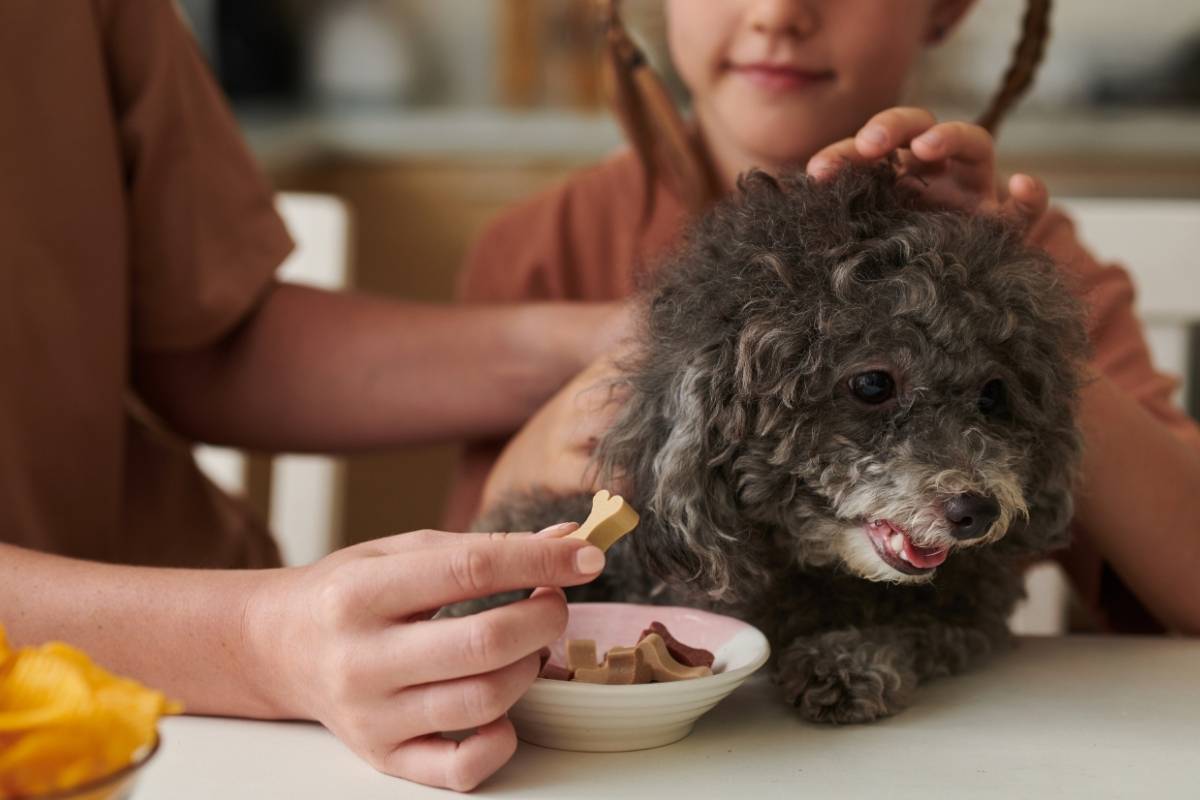
Eating and Drinking With an E-Collar
Most pets learn to eat and drink normally within a day or two.
Helpful tips include:
- Use wider food bowls.
- Elevate dishes slightly if recommended.
- Ensure the collar does not catch on bowl edges.
- Offer encouragement during meals.
If your pet refuses food for more than 24 hours, contact your veterinarian.
Exercise Should Be Limited During Recovery
Even with an E-collar, excessive activity can interfere with healing.
Until your veterinarian approves increased activity:
- Keep walks short.
- Avoid running or jumping.
- Prevent rough play.
- Restrict stair use if advised.
- Follow all postoperative instructions carefully.
Combining activity restriction with proper collar use supports optimal healing after pet surgery.
Signs Your Pet May Need a Recheck
Monitor your pet’s incision every day.
Contact your veterinarian if you notice:
- Redness spreading around the incision
- Swelling that worsens
- Yellow or green discharge
- Persistent bleeding
- Missing stitches
- Bad odor
- Excessive pain
- Continued licking despite the collar
Prompt evaluation helps address complications before they become more serious.
Common Myths About E-Collars
“My Pet Only Licks Occasionally.”
Even occasional licking can introduce bacteria and damage healing tissues.
“The Incision Looks Fine.”
Many surgical complications begin before noticeable changes appear.
“I’ll Just Watch My Pet.”
It only takes a few seconds for a determined dog or cat to remove stitches.
“The Collar Is Cruel.”
Although pets may dislike wearing an E-collar initially, it is a temporary medical device designed to protect them from harming themselves.
Tips for a Smooth Recovery
Supporting your pet after surgery involves more than simply keeping the E-collar on.
Remember to:
- Administer medications exactly as directed.
- Attend follow-up appointments.
- Keep the incision clean and dry.
- Prevent licking or scratching.
- Limit strenuous activity.
- Monitor healing every day.
- Contact your veterinarian with any concerns.
Following your veterinarian’s instructions closely gives your pet the best opportunity for a comfortable recovery.
The Bottom Line
An E-collar may not be your pet’s favorite accessory, but it plays a crucial role in protecting healing tissues after surgery. Preventing licking, chewing, and scratching significantly reduces the risk of infection, wound reopening, and additional procedures. While it may require patience during the first few days, consistent use helps ensure your pet recovers safely and comfortably.
Recovering from surgery takes time, and every precaution helps support proper healing. An E-collar is one of the simplest yet most effective ways to protect your pet’s incision and reduce the risk of complications. If you’re in Peabody, MA, and need guidance from a vet near you about your pet’s recovery or postoperative care, schedule your appointment with Borash Veterinary Clinic. Our experienced team is here to provide personalized support and help your pet recover as comfortably and safely as possible.
FAQs
Q1. Why does my pet need to wear an E-collar after surgery?
Ans: An E-collar prevents your pet from licking, chewing, or scratching their incision, helping reduce the risk of infection, reopening of the wound, and delayed healing.
Q2. How long should my pet wear an E-collar?
Ans: Most pets need to wear an E-collar for 10 to 14 days or until the incision has fully healed and your veterinarian confirms it is safe to remove.
Q3. Can I remove the E-collar when I’m watching my pet?
Ans: It is generally not recommended. Pets can damage their incision in just a few seconds, even under close supervision.
Q4. Is it okay if my pet sleeps with the E-collar on?
Ans: Yes. Pets should continue wearing the E-collar while sleeping to prevent nighttime licking or chewing of the surgical site.
Q5. What should I do if my pet refuses to eat while wearing the E-collar?
Ans: Try using wider or slightly elevated food and water bowls. If your pet refuses food for more than 24 hours, contact your veterinarian for guidance.
Q6. Are there alternatives to the traditional plastic E-collar?
Ans: Depending on the type and location of the surgery, your veterinarian may recommend soft recovery collars or inflatable collars. However, these alternatives are not suitable for every pet or every surgical procedure.