
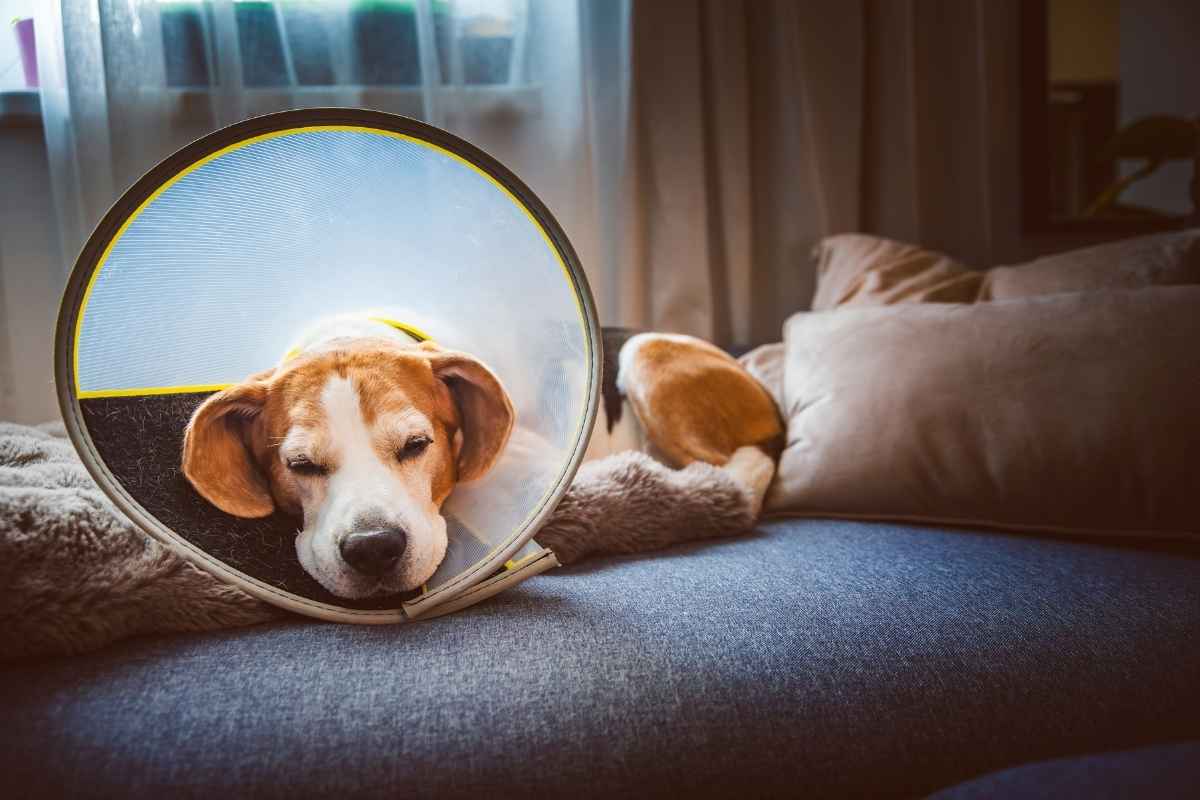
Bringing your dog home after spay surgery can be a relief, but the recovery period often raises questions. Is it normal for your dog to sleep more? When can she start playing again? How can you tell whether her incision is healing properly?
Most dogs need 10 to 14 days of restricted activity after spay surgery, although internal healing continues beyond this period. Proper rest, incision monitoring, and medication help reduce the risk of complications.
At our veterinary practice in Peabody, we understand how important your dog’s comfort and safety are during recovery. Our vets help pet owners prepare for postoperative care, recognize warning signs, and understand when additional veterinary attention is necessary.
How Long Does It Take for a Dog to Recover From Spay Surgery?
Most dogs recover from spay surgery within 10 to 14 days. However, recovery time depends on age, overall health, surgical technique, and individual healing.
Spaying involves removing the ovaries, sometimes along with the uterus, under general anesthesia. As the procedure involves abdominal surgery, both the incision and internal tissues need time to heal.
Even when your dog appears energetic after a few days, unrestricted activity can interfere with recovery. Following your veterinarian’s discharge instructions helps protect healing tissues and prevent complications.
Dog Spay Surgery Recovery Timeline: What to Expect
Understanding the different recovery stages helps you monitor your dog’s progress and recognize unusual symptoms.
First 24 Hours: Rest and Anesthesia Recovery
Your dog may feel sleepy, weak, or slightly nauseated after surgery. These effects generally improve as anesthesia wears off.
Common observations include:
- Reduced appetite
- Increased sleepiness
- Temporary unsteadiness
- Mild discomfort
- Less interest in activities
Prepare a quiet resting area away from other pets and household activity. Offer water and a small meal according to your veterinarian’s instructions.
Contact your veterinarian if your dog experiences repeated vomiting, severe weakness, or difficulty breathing.
Days 2–3: Gradual Improvement
Your dog may become more alert and interested in her surroundings. However, increased energy does not mean the incision has healed.
Continue prescribed medications and limit movement to short, leashed bathroom walks. Prevent licking or chewing at the surgical site. Check the incision daily for unusual swelling, redness, or discharge.
Days 4–7: Visible Healing Progress
During this stage, many dogs regain their normal appetite and energy. The incision should remain closed and dry, without increasing inflammation.
Continue preventing jumping, running, and rough play. If your dog develops worsening swelling, discharge, or discomfort, contact your veterinarian promptly.
Days 8–14: Preparing for Normal Activities
By the second week, the incision should show continued healing. Your veterinarian may recommend a follow-up examination or removal of external sutures or staples. Do not resume unrestricted exercise or remove protective equipment until your veterinarian confirms it is safe.
How Should You Care for Your Dog After Spay Surgery?
Proper home care plays an important role in pet surgery recovery. Following a few daily precautions can protect the incision and support comfortable healing.
Keep the Incision Clean and Dry
Examine the surgical site daily for changes in appearance. Avoid applying ointments, alcohol, hydrogen peroxide, or other products unless prescribed. Do not bathe your dog or allow swimming until your veterinarian approves.
Prevent Licking and Chewing
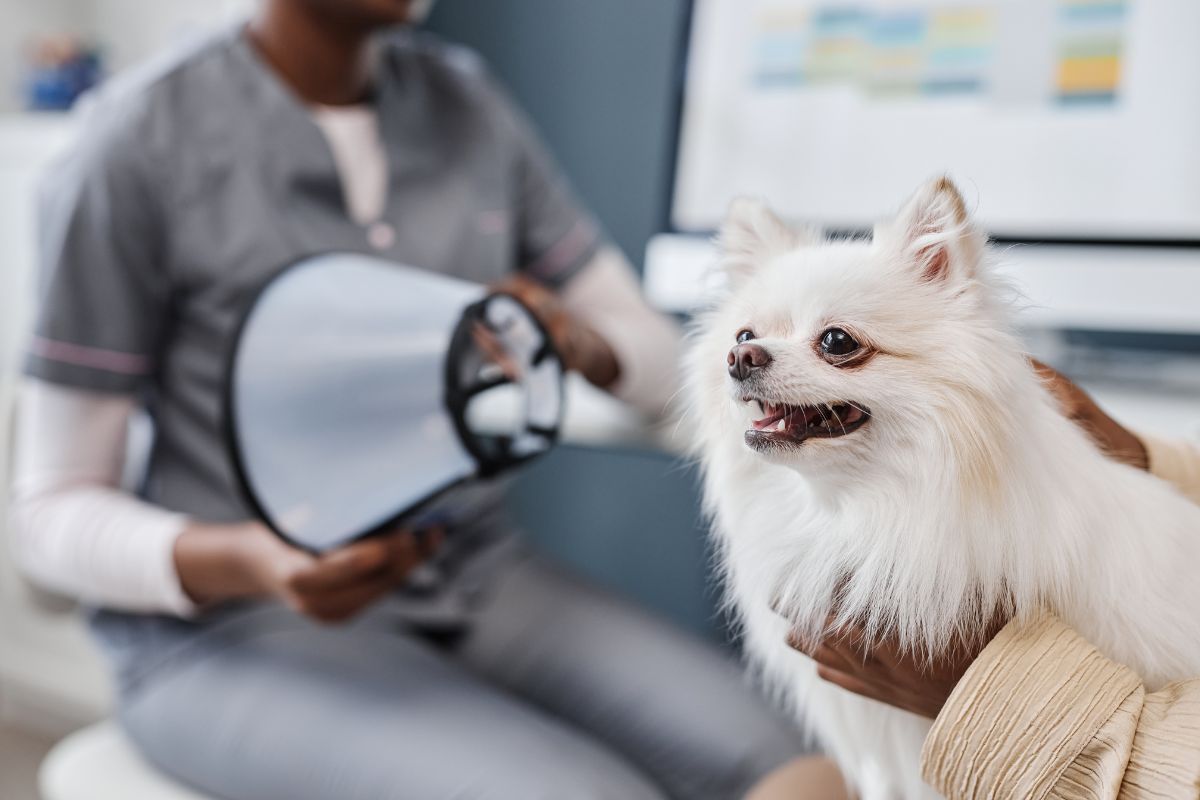
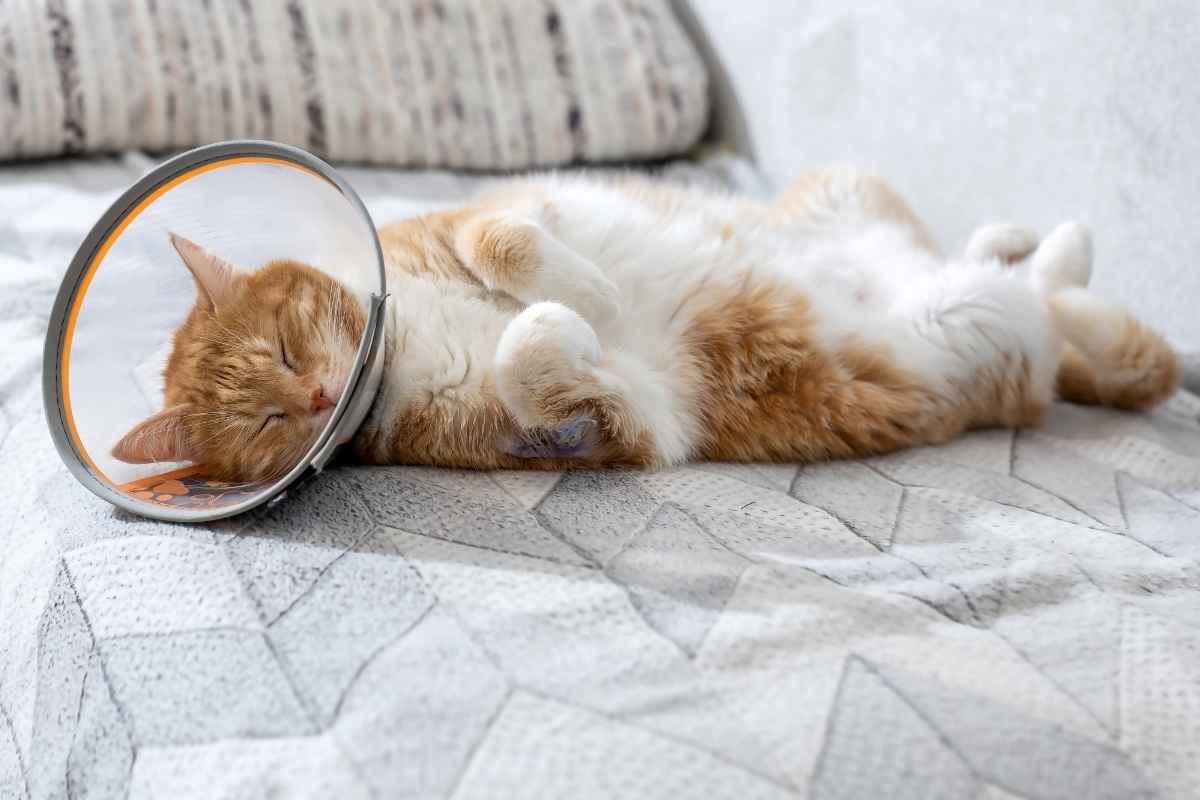
Licking can introduce bacteria, damage sutures, and delay healing. Use an Elizabethan collar or another veterinarian-approved protective device. Keep the protection in place whenever your dog could reach the incision, including overnight.
Restrict Physical Activity
Avoid activities that place pressure on healing tissues, including:
- Running or jumping
- Rough play with other pets
- Climbing stairs unnecessarily
- Long walks
- Strenuous exercise
Allow short, controlled bathroom walks and provide a comfortable resting space.
Administer Prescribed Medications
Your veterinarian may prescribe pain medication to manage postoperative discomfort. Follow the dosage and schedule carefully.
Never give human pain medications, including ibuprofen or acetaminophen, without veterinary direction. These drugs can be toxic to dogs. Contact your veterinarian if your dog appears uncomfortable despite medication.
Monitor Eating and Bathroom Habits
A temporary decrease in appetite may occur after anesthesia. However, your dog’s eating, drinking, and activity should gradually return toward normal.
Monitor urination, bowel movements, and overall behavior. Contact your veterinarian if your dog repeatedly vomits, refuses food beyond the expected period, or struggles to urinate.
What Warning Signs Should You Watch for After Spay Surgery?
Mild discomfort can occur during recovery, but certain symptoms may indicate complications.
Contact your veterinarian promptly if you notice:
- Increasing redness or swelling: The incision becomes progressively inflamed.
- Unusual discharge: Pus, cloudy fluid, or an unpleasant odor develops.
- Incision opening: The wound edges separate or internal tissue becomes visible.
- Persistent vomiting: Your dog cannot keep food or water down.
- Severe pain: Your dog cries, trembles, or cannot settle despite medication.
- Worsening lethargy: Weakness increases instead of improving.
- Continued appetite loss: Your dog refuses food beyond the expected recovery period.
Difficulty breathing, collapse, pale gums, uncontrolled bleeding, or significant abdominal swelling require immediate emergency veterinary attention.
If these symptoms occur outside regular clinic hours, seek care at an emergency veterinary hospital.
How Can Our Veterinary Practice Help With Spay Surgery and Recovery?
Successful recovery begins with appropriate surgical preparation and clear postoperative instructions.
At our veterinary practice in Peabody, our vets help owners understand surgical procedures, anesthesia considerations, pain management, and recovery expectations.
When discussing pet surgery, we consider your dog’s age, medical history, and overall health.
Our veterinary team can help you understand:
- Pre-surgical examinations and preparation
- What to expect after anesthesia
- Medication and pain management instructions
- Incision monitoring and activity restrictions
- When postoperative examinations may be necessary
We encourage pet owners to contact us whenever recovery symptoms seem unusual.
Give Your Dog the Care She Needs for a Comfortable Recovery
Your dog’s recovery deserves careful attention. Following postoperative instructions, monitoring the incision, and recognizing warning signs can help prevent complications and support healing.
At our veterinary practice in Peabody, we want pet owners to feel informed and confident throughout their dog’s surgical journey. Whether you are planning spay surgery or have concerns about recovery, our vets are ready to help.
Contact our veterinary practice today to schedule your dog’s surgical consultation, discuss postoperative care, or get answers to your recovery questions.
Frequently Asked Questions
Q1. Can My Dog Sleep on My Bed After Spay Surgery?
Ans. Avoid allowing your dog to jump onto or off furniture during recovery. Provide a comfortable resting area on the floor until your veterinarian approves normal activities.
Q2. Is It Normal for My Dog to Shake After Being Spayed?
Ans. Mild trembling may occur after anesthesia because of temperature changes, stress, or discomfort. Persistent shaking, severe weakness, or breathing difficulties require veterinary attention.
Q3. When Can My Dog Walk Normally After Spay Surgery?
Ans. Short, leashed bathroom walks are usually permitted early in recovery. Longer walks and unrestricted exercise should wait until your veterinarian confirms adequate healing.
Q4. Where Can I Get Dog Spay Recovery Guidance in Peabody?
Ans. Borash Veterinary Clinic helps Peabody pet owners understand postoperative instructions, incision monitoring, activity restrictions, and symptoms requiring veterinary attention.
Q5. Can I Contact a Veterinarian in Peabody if My Dog’s Incision Looks Swollen?
Ans. Yes. Contact Borash Veterinary Clinic if you notice increasing swelling, redness, discharge, or discomfort. Our veterinary team can help determine whether an examination is necessary.
Q6. Does Borash Veterinary Clinic Help Owners Prepare for Dog Spay Surgery?
Ans. Yes. Borash Veterinary Clinic in Peabody provides guidance about surgical preparation, postoperative expectations, and home care instructions to help owners prepare for recovery.