
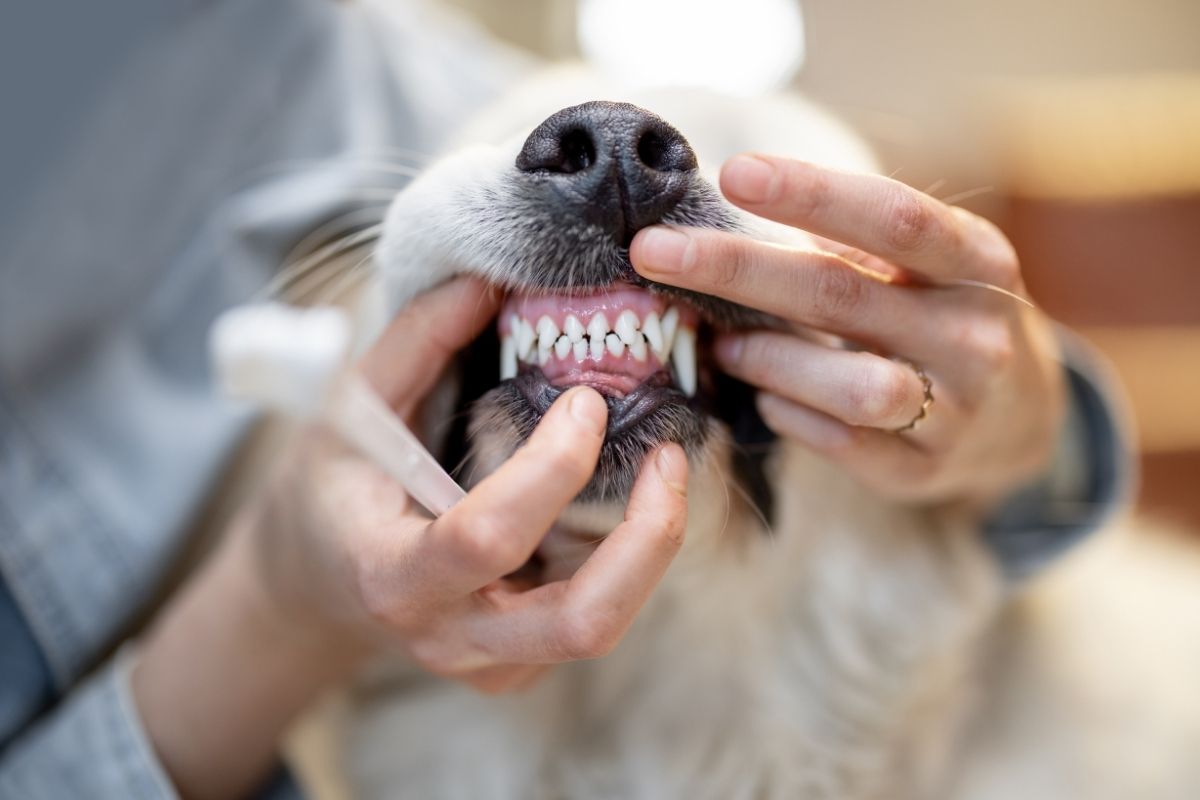
We all love sloppy kisses from our furry friends, but let’s be honest: “doggie breath” can sometimes be overwhelming. Many pet owners mistakenly believe that bad breath is just a normal part of having a dog or cat. In reality, persistent bad breath is often the first sign of dental disease, a condition that affects nearly 80% of dogs and 70% of cats by age three.
Ignoring your pet’s teeth doesn’t just lead to a less pleasant cuddle session; it can lead to serious health issues. Bacteria from the mouth can travel through the bloodstream, potentially damaging the heart, kidneys, and liver. Fortunately, preventative care is entirely within your control. With a consistent routine, you can add years to your pet’s life. Here are the top at-home dental care tips approved by veterinarians to keep those pearly whites shining.
Why Brushing Is the Gold Standard
If you ask any veterinary professional for the single best way to prevent tartar buildup, the answer is always the same: brushing. Just like humans, pets develop plaque after eating. If this plaque isn’t removed, it hardens into tartar (calculus) within 24 to 48 hours.
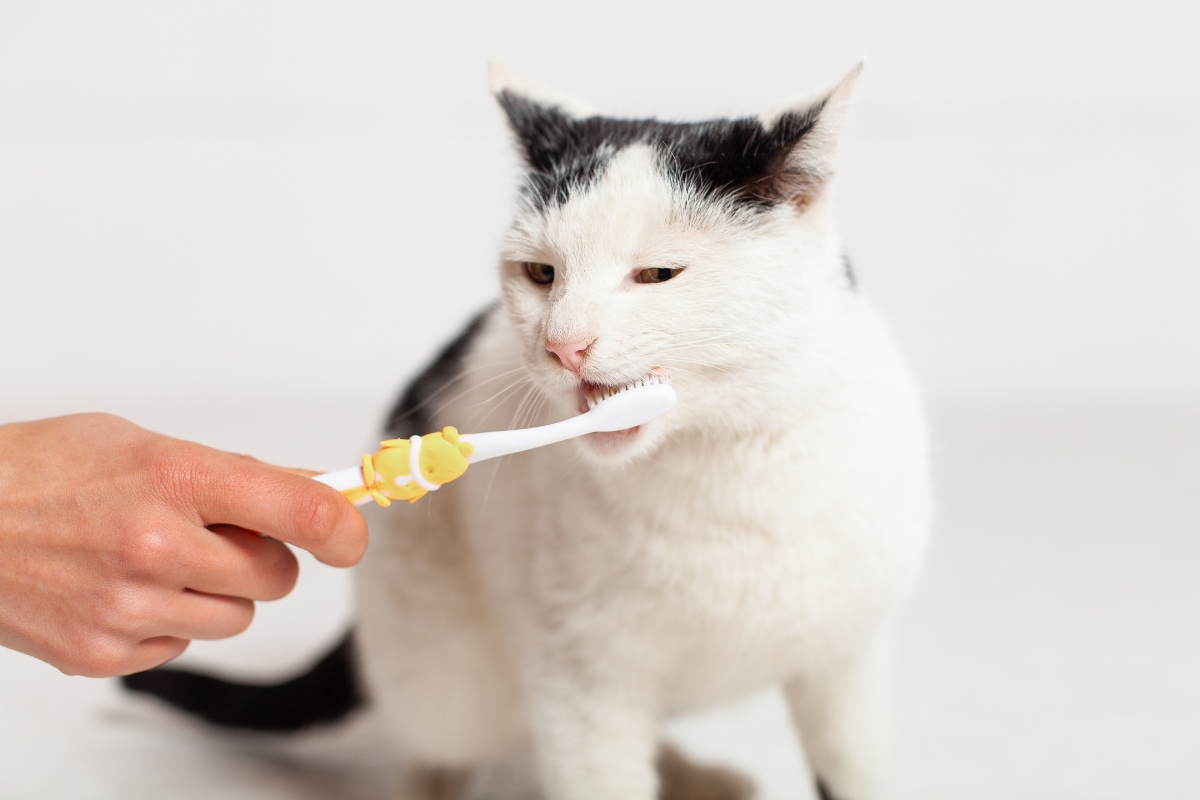
While it sounds daunting, brushing doesn’t have to be a wrestling match.
- Use the Right Tools: Never use a human toothbrush; they are too large and hard. Use a soft-bristled finger brush or a pet-specific toothbrush.
- Enzymatic Toothpaste is Key: Never use human toothpaste. Fluoride and xylitol are toxic to pets. Instead, choose a poultry or beef-flavored enzymatic toothpaste. These are designed to break down plaque chemically, meaning you don’t have to scrub as hard.
Effective Alternatives to Brushing
We understand that not every cat or dog will tolerate a toothbrush immediately. While brushing is the goal, some protection is better than none. Veterinarians recommend a multi-modal approach to dental health.
Dental Chews and Treats
Mechanical scraping actions can help reduce plaque. However, not all chews are created equal. Look for the VOHC (Veterinary Oral Health Council) seal on packaging. This seal guarantees that the product has been clinically proven to reduce plaque or tartar.
- Greenies or Dental Sticks: Good for daily maintenance.
- Rawhide Alternatives: Safer and easier to digest.
- Rubber Chew Toys: Toys with ridges can massage gums as the dog chews.
Water Additives and Powders
For the pet that refuses to have its mouth touched, water additives are a game-changer. These are tasteless (or flavored) liquids you pour into their water bowl. They work by altering the pH of the saliva to make it harder for bacterial colonies to form.
Dental Diets
Prescription dental diets use a specialized kibble structure. Unlike regular kibble that shatters when bitten, dental kibble holds together, scrubbing the tooth surface like a squeegee before breaking apart.
How to Train Your Pet to Accept Dental Care
Patience is vital. You cannot expect your dog to sit still for a full two-minute brushing session on day one. You must desensitize them to the sensation of having their mouth handled.
Follow this simple progression:
- The Taste Test: Let them lick the flavored toothpaste off your finger as a treat. Do this for 3–5 days.
- The Finger Sweep: Put paste on your finger and briefly rub one tooth or the gum line. Immediately reward them.
- Introduce the Brush: Let them lick the paste off the brush.
- Start Brushing: Brush the front teeth (canines) first. Gradually work your way to the back molars over several weeks.
When Home Care Isn’t Enough
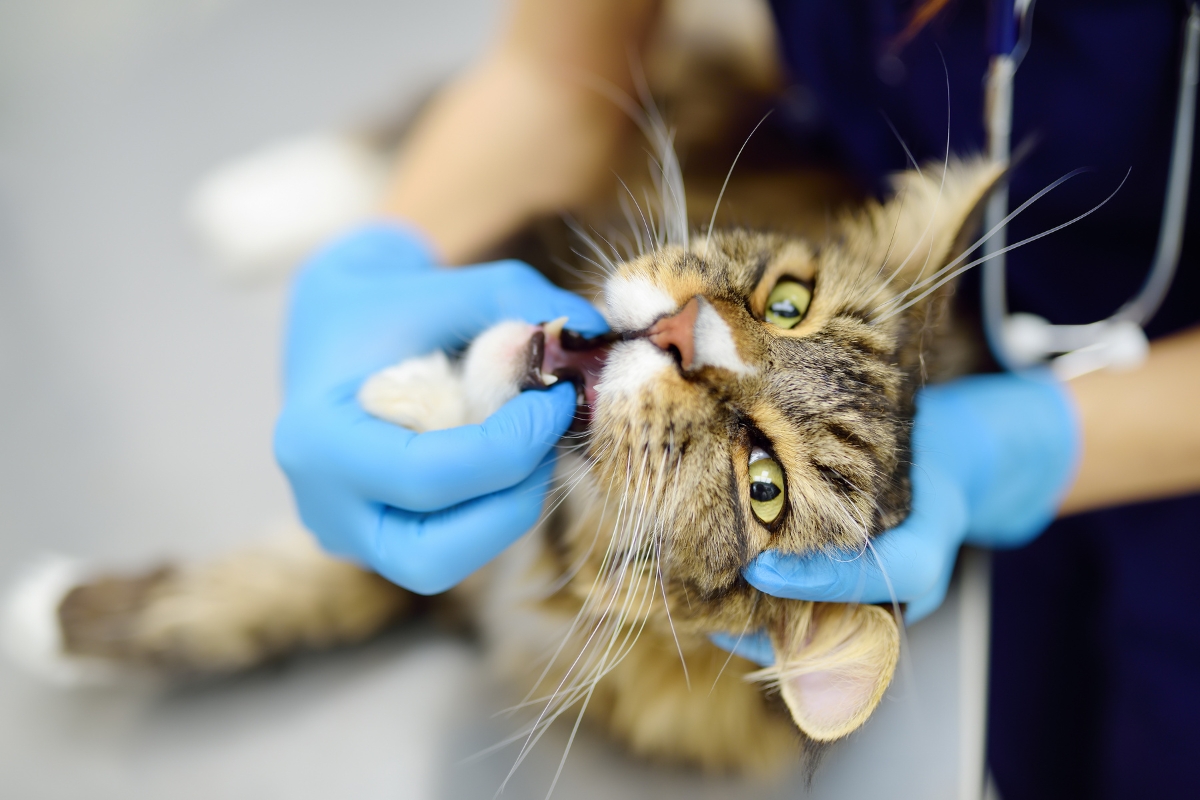
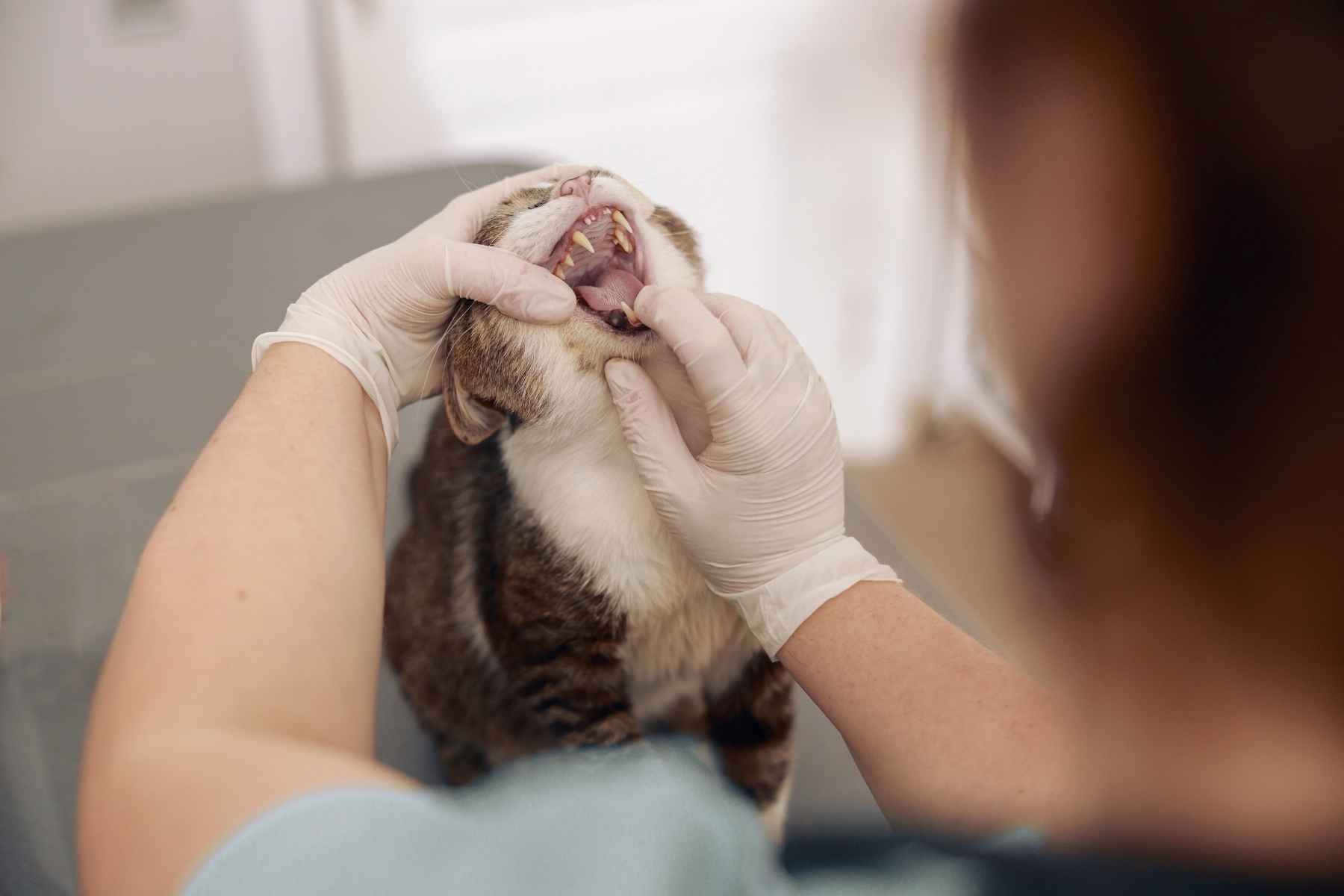
Even with excellent home care, pets still need professional checkups. Home remedies can remove plaque, but they cannot remove hardened tartar or clean beneath the gum line where periodontal disease hides.
If you notice bleeding gums, loose teeth, or a sudden refusal to eat hard food, you need professional intervention. For residents in the North Shore area, finding quality pet dentistry in Peabody is essential for addressing these advanced issues effectively. A professional cleaning involves scaling and polishing under anesthesia, which is the only way to reverse early gum disease.
For a comprehensive oral health assessment, Borash Veterinary Clinic provides the expertise needed to determine if your pet requires a professional cleaning or if your home routine just needs a few tweaks.
Frequently Asked Questions:
Q1: Can I use baking soda to clean my dog’s teeth?
Ans: No. Baking soda has a high sodium content, which can be harmful if swallowed, and it tastes terrible to pets. Always stick to veterinary-approved, enzymatic toothpaste formulated for animals.
Q2: How often should I brush my pet’s teeth?
Ans: Ideally, you should brush them every day. Plaque hardens into tartar within 24 hours. If daily isn’t possible, aim for at least three times a week to make a significant difference.
Q3: Does dry food clean my dog’s teeth?
Ans: This is a common myth. Most standard dry food shatters immediately and offers very little abrasive benefit. Only specific prescription dental diets are designed to scrub the teeth effectively.
Q4: Is anesthesia really necessary for dental cleanings?
Ans: Yes. Anesthesia-free cleaning is cosmetic only. To treat periodontal disease, a vet must clean under the gum line. This is painful and scary for an awake animal, so anesthesia ensures safety and thoroughness.
Q5: My cat has bad breath; is that normal?
Ans: No, “tuna breath” is common, but foul, rotting smells are not. Cats are prone to tooth resorption (FORLs), which is very painful. Bad breath in cats warrants an immediate vet visit.
Q6: Is it too late to start brushing an older dog’s teeth?
Ans: It is never too late to start! However, have a vet check their mouth first. If they already have painful, loose teeth, brushing could hurt them. Fix the dental disease first, then start the maintenance routine.