
Your pet cannot explain that a tooth hurts or that chewing has become uncomfortable. Instead, discomfort may appear through subtle changes in mood, eating habits, activity, or social behavior.
A friendly dog may suddenly avoid being touched around the face. A social cat may begin hiding more often. Some pets may become irritable, restless, or less interested in their favorite activities.
These behavioral changes can sometimes point to an underlying dental problem. Recognizing them early can help protect your pet from prolonged discomfort.
At Borash Veterinary Clinic, we understand how closely families watch changes in their pets. Our pet dental care services help families in Peabody protect their pets’ oral comfort and overall well-being.
Can Dental Problems Really Change a Pet’s Behavior?
Yes. Dental problems can cause discomfort that influences how a dog or cat behaves each day.
Periodontal disease, damaged teeth, inflamed gums, and oral infections may cause significant discomfort. However, pets often continue their normal routines despite oral pain.
Some pets may still eat even when their mouths hurt. Others simply adjust how they chew or become less enthusiastic about meals.
This makes behavioral observation especially important. A change that seems emotional could actually have a physical cause.
What Behavioral Changes Can Dental Pain Cause?
Every pet responds differently to discomfort. Some become withdrawn, while others become unusually irritable or restless.
Pet owners should watch for changes that appear suddenly or continue without an obvious explanation.
Possible behavioral changes include:
- Avoiding interaction with family members
- Hiding more frequently
- Becoming unusually quiet
- Acting irritable when touched
- Pulling away from facial contact
- Losing interest in toys
- Sleeping more than usual
- Becoming restless during normal routines
- Showing less enthusiasm for meals
- Avoiding hard treats or chew toys
These behaviors do not automatically confirm dental disease. However, persistent changes deserve veterinary attention.
How Can Dental Problems Affect Your Pet’s Eating Habits?
Eating changes are among the most noticeable clues of oral discomfort.
Your pet may approach the food bowl eagerly but hesitate after taking a bite. They may also walk away before finishing a meal.
Other warning signs can include:
- Dropping food while eating
- Chewing on only one side
- Eating more slowly
- Preferring softer foods
- Refusing hard treats
- Showing less interest in meals
- Drooling more than usual
Some pets may continue eating despite significant dental disease. Therefore, a normal appetite does not always mean the mouth is healthy.
Why Might a Pet Become Irritable or Avoid Touch?
Imagine having a painful tooth while being unable to explain where it hurts. Your pet may experience a similar problem. Touching the head, muzzle, or jaw can place pressure near a painful area. Your pet may respond by pulling away or becoming defensive.
A previously affectionate pet might suddenly dislike having their face touched. Some pets may also resist grooming around the head. These reactions should not immediately be viewed as disobedience or aggression. Pain can change how an otherwise friendly animal responds to handling.
What Oral Signs May Appear Alongside Behavior Changes?
Behavior changes become more concerning when physical oral symptoms appear at the same time.
Watch for:
- Persistent bad breath
- Red or swollen gums
- Bleeding around the gums
- Visible tartar buildup
- Loose or damaged teeth
- Excessive drooling
- Swelling around the face
- Pawing at the mouth
- Difficulty chewing
Periodontal disease can progress beneath the gumline. Problems around tooth roots and supporting bone may not be obvious at home.
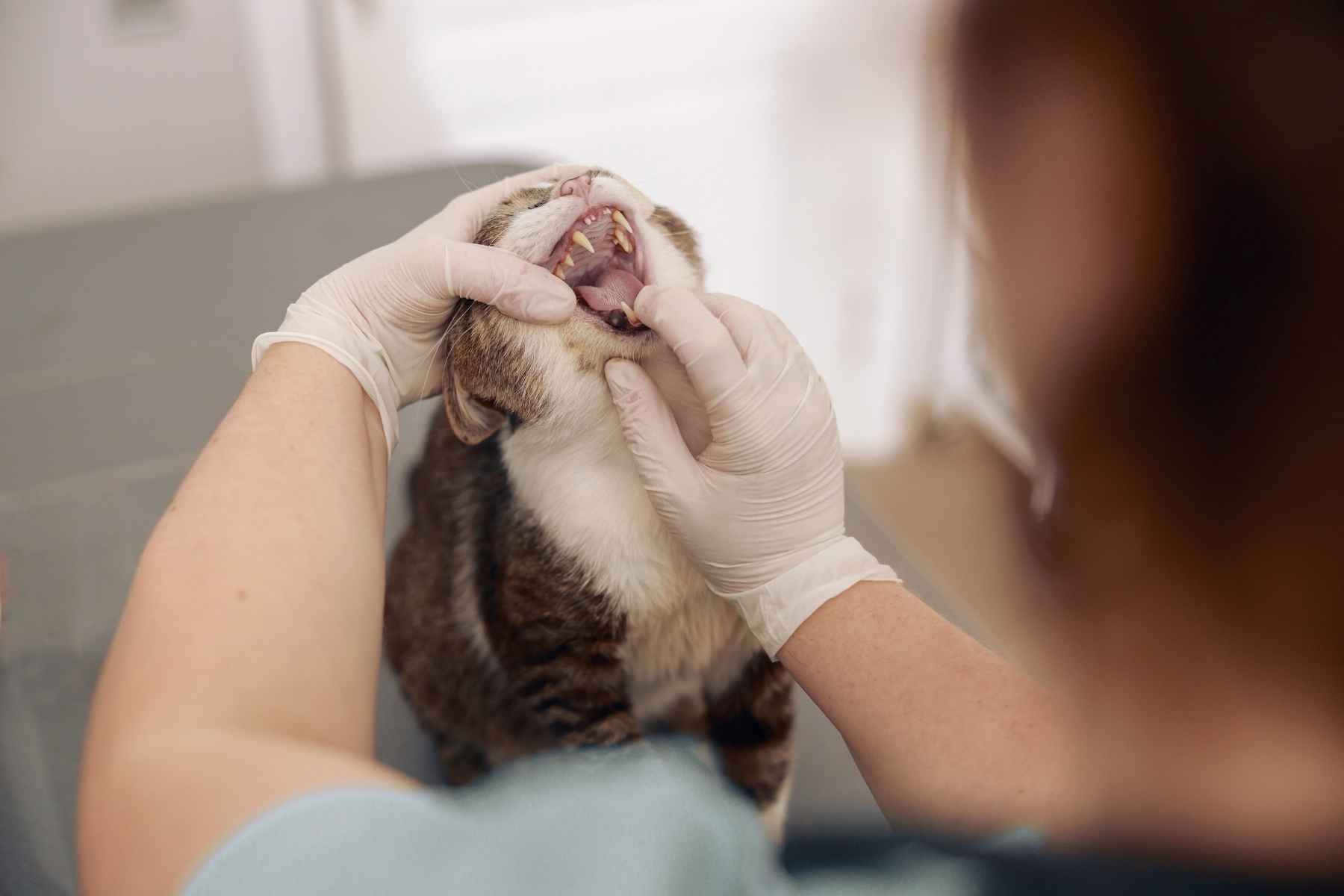
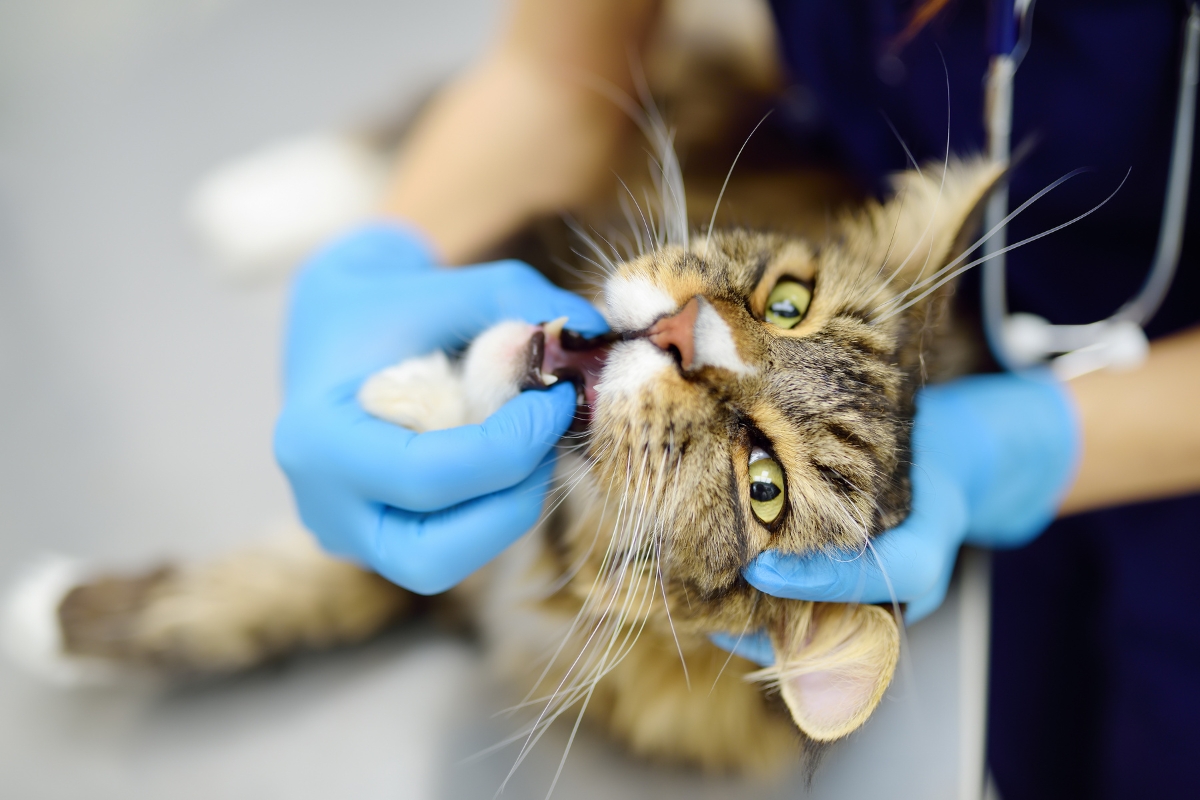
That is why a veterinary oral examination is important when concerning symptoms develop.
Why Do Cats Often Hide Dental Discomfort?
Cats are particularly talented at concealing discomfort. A cat with dental pain may continue eating and moving around normally. However, small changes can reveal that something is wrong.
Your cat might stop playing with certain toys. They may become quieter or spend additional time alone. Some cats may approach food but eat cautiously. Others may suddenly prefer wet food over harder kibble.
Changes in grooming can also deserve attention. A cat experiencing discomfort may groom less often or appear generally less engaged. Never assume that subtle changes are simply part of aging. A veterinary examination can help identify the underlying cause.
How Can Veterinary Dental Care Help?
A professional oral assessment allows a veterinarian to examine areas pet owners cannot properly evaluate at home. At our veterinary clinic, we provide professional dental cleanings and oral health evaluations. Dental procedures are performed under anesthesia to keep pets comfortable during treatment.
Treatment recommendations depend on what the veterinarian discovers during the examination. Effective pet dental care can address painful dental disease and help protect your pet’s long-term oral health.
Some owners notice positive behavioral changes after painful dental problems receive appropriate treatment. Pets may become more interested in food, play, and family interaction again.
When Should You Schedule a Veterinary Dental Visit?
Do not wait for your pet to completely stop eating before seeking veterinary attention. Schedule an examination when you notice persistent bad breath, swollen gums, chewing difficulties, or a damaged tooth.
Behavioral changes combined with these symptoms deserve particular attention. Prompt evaluation can identify dental problems before they become more advanced.
How Can You Support Your Pet’s Teeth at Home?
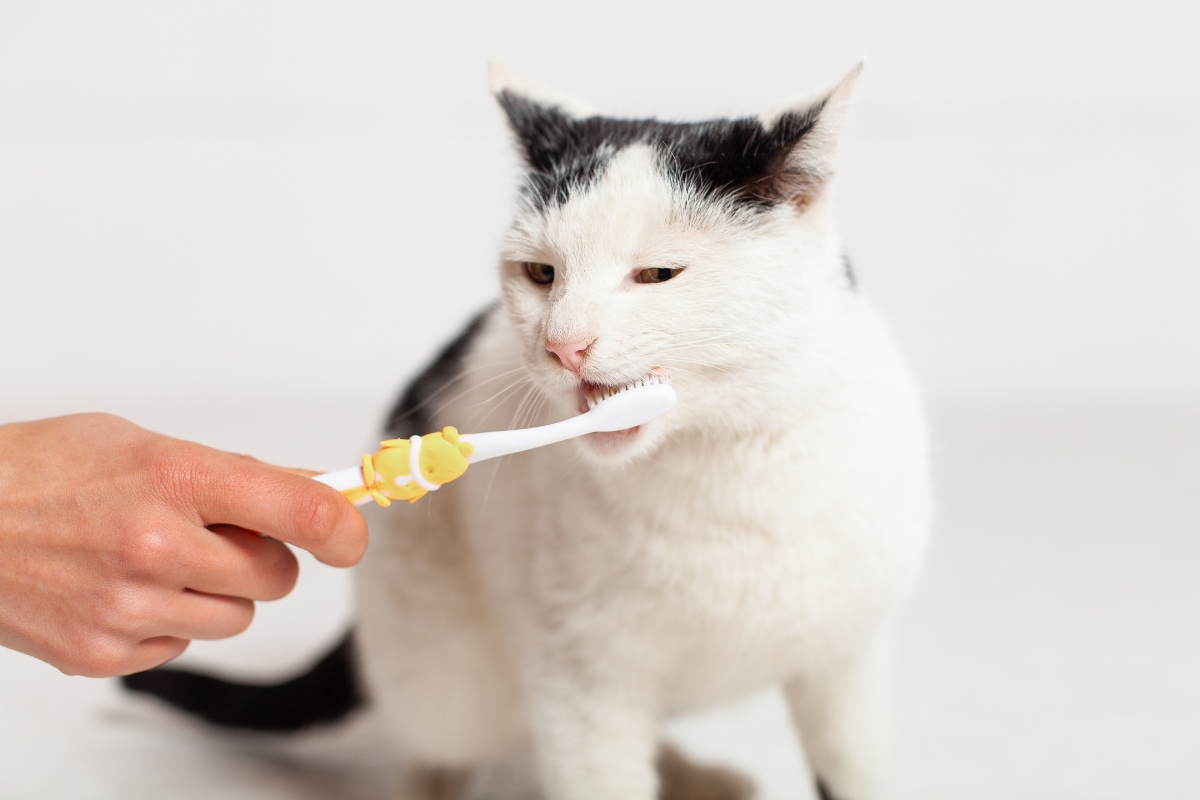
Professional veterinary treatment and preventive home care work together. Regular toothbrushing is one of the most effective ways to reduce plaque buildup. Always use toothpaste specifically formulated for pets.
Never use human toothpaste unless your veterinarian specifically directs otherwise. Introduce brushing slowly and positively. Stop if your pet becomes distressed or handling the mouth feels unsafe.
Your veterinarian can also recommend appropriate dental products based on your pet’s individual needs. Home care cannot replace treatment for an existing painful dental problem. Schedule an examination first when you suspect oral disease.
Protect Their Comfort Before Their Behavior Changes Further
A change in behavior may be your pet’s way of communicating discomfort. Do not dismiss unusual hiding, irritability, eating changes, or facial sensitivity as simple moodiness. These behaviors may indicate that your pet needs help.
Borash Veterinary Clinic has served Peabody and surrounding communities since 1979. Our team provides veterinary services within a welcoming, pet-friendly hospital environment.
If you are concerned about your pet’s teeth, gums, eating habits, or behavior, schedule an oral evaluation. Early attention may prevent unnecessary discomfort and more advanced dental problems. Schedule an appointment today.
Frequently Asked Questions
Q1. Can a toothache make my dog act differently?
Ans. Yes. Oral discomfort may make a dog quieter, irritable, withdrawn, or sensitive around the face. Eating and play habits may also change.
Q2. Why is my cat suddenly hiding and eating less?
Ans. Many health problems can cause these changes, including dental disease. A veterinary examination can determine whether oral discomfort is contributing.
Q3. Can pets still eat when they have dental pain?
Ans. Yes. Many pets continue eating despite painful teeth or gums. They may chew differently, eat slowly, or prefer softer foods.
Q4. Does bad breath always mean my pet has dental disease?
Ans. Not always. However, persistent unpleasant breath can accompany plaque buildup, gum disease, or other oral problems. A veterinarian should evaluate ongoing bad breath.
Q5. Why does my pet pull away when I touch their face?
Ans. Facial sensitivity may indicate discomfort involving the teeth, gums, ears, eyes, or another area. A veterinary examination can help identify the cause.
Q6. Can treating dental disease improve my pet’s mood?
Ans. It may. Relieving oral discomfort can help some pets become more comfortable during eating, playing, grooming, and family interactions.
Q7. How often should my dog or cat receive a dental examination?
Ans. Dental needs vary according to age, oral health, medical history, and other factors. Your veterinarian can recommend an appropriate examination and cleaning schedule.