
Many cat owners assume bad breath is normal, especially as pets get older. However, persistent bad breath in cats is often a sign of an underlying health issue that should not be ignored. While occasional mild odor may occur after eating certain foods, strong or persistent bad breath can indicate dental disease, oral infections, or even more serious medical conditions.
At Borash Veterinary Clinic, veterinarians frequently evaluate cats with bad breath and oral discomfort. Identifying the underlying cause early can help prevent pain, tooth loss, and complications that may affect a cat’s overall health and quality of life.
For pet owners in Peabody, MA, understanding the causes of bad breath in cats can help support earlier treatment and better long-term oral health.
Is Bad Breath in Cats Normal?
A cat’s breath should not smell overwhelmingly foul or rotten. Persistent unpleasant odor, medically known as halitosis, often indicates bacterial buildup, dental disease, or another medical concern.
Ignoring bad breath may allow dental problems to worsen over time, potentially leading to pain, infection, or damage to internal organs.
Common Causes of Bad Breath in Cats
Several conditions may contribute to bad breath in cats.
Dental Disease
Dental disease is one of the most common causes of bad breath in cats.
Plaque and tartar buildup on the teeth allow bacteria to grow along the gumline. Over time, this may lead to:
- Gingivitis
- Tooth decay
- Gum infections
- Tooth loss
- Oral pain
Cats with dental disease may also drool, paw at their mouths, or avoid hard food.
Gingivitis and Gum Inflammation
Inflamed gums can become red, swollen, and painful. Gingivitis often develops before more advanced periodontal disease occurs.
Without treatment, infection and inflammation may spread deeper into the mouth.
Oral Infections or Abscesses
Bacterial infections inside the mouth may create a severe odor and discomfort.
Symptoms may include:
- Swelling around the face or jaw
- Difficulty eating
- Drooling
- Bleeding gums
Oral infections often require prompt veterinary treatment.
Kidney Disease
Bad breath with a chemical or ammonia-like odor may sometimes indicate kidney disease.
When the kidneys cannot remove waste products effectively, toxins build up in the bloodstream and may affect breath odor.
Diabetes
Cats with uncontrolled diabetes may develop sweet-smelling or fruity breath due to changes in blood sugar levels.
Diabetes is a serious condition that requires medical evaluation and ongoing management.
Foreign Objects or Mouth Injuries
Occasionally, objects such as string, bone fragments, or plant material may become lodged in the mouth, causing infection and bad breath.
Oral injuries may also contribute to foul-smelling breath and discomfort.
Signs Your Cat May Have Oral Health Problems
Bad breath is often accompanied by other symptoms.
Common Warning Signs Include:
- Difficulty chewing
- Drooling
- Pawing at the mouth
- Bleeding gums
- Loose or missing teeth
- Reduced appetite
- Weight loss
- Facial swelling
Cats often hide pain well, so subtle changes in eating or grooming habits should not be overlooked.
Why Dental Problems Should Not Be Ignored
Untreated dental disease can affect more than just the mouth.
Bacteria from oral infections may spread through the bloodstream and potentially affect:
- The kidneys
- The liver
- The heart
Routine pet dental care helps reduce the risk of painful oral disease and may support better overall health.
How Veterinarians Diagnose the Cause of Bad Breath
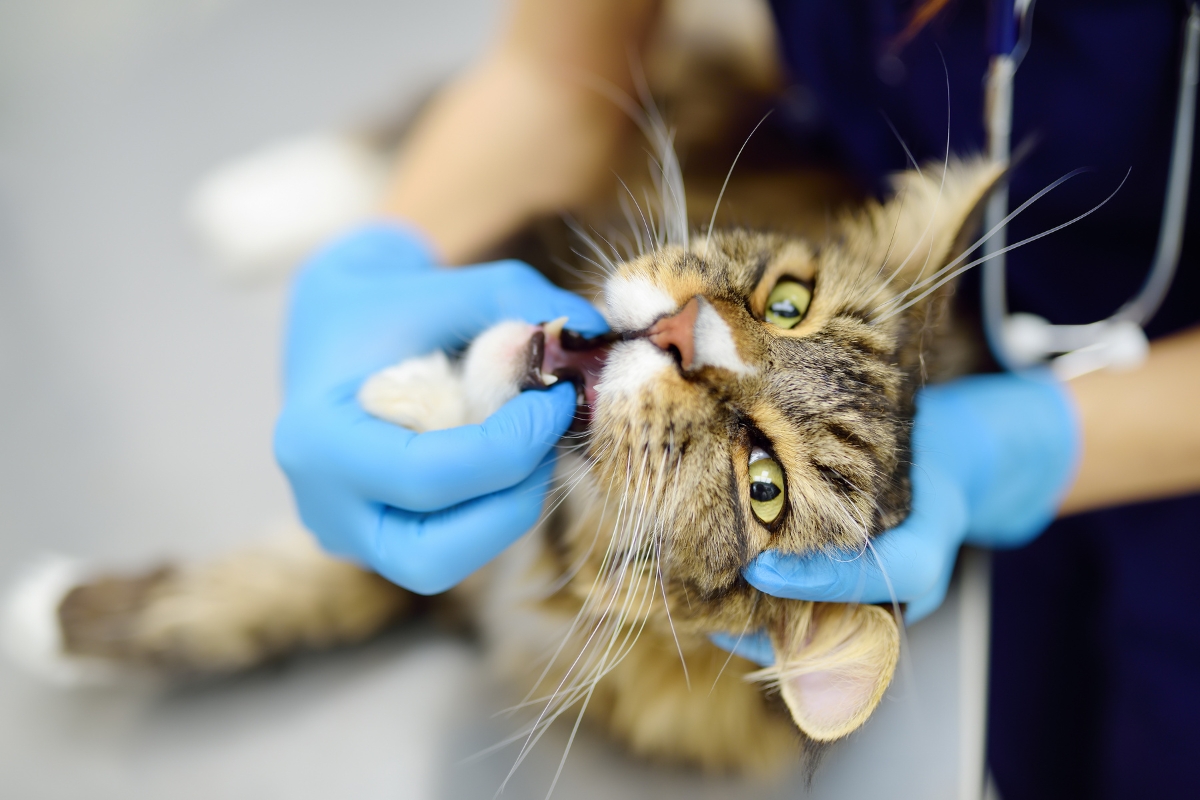
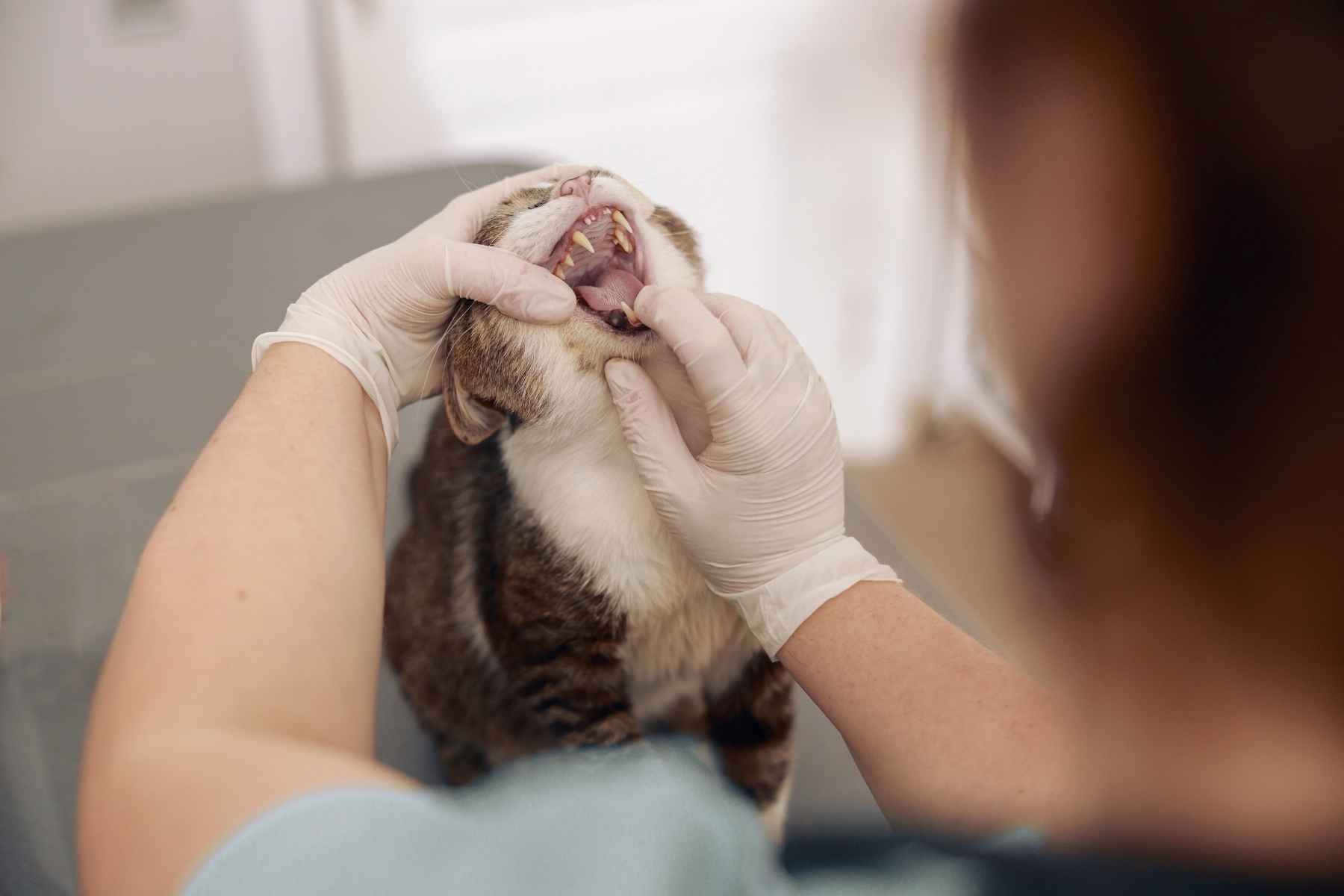
A veterinary examination helps determine the underlying reason for halitosis.
Diagnostic evaluation may include:
- Oral examination
- Dental X-rays
- Bloodwork
- Urinalysis
- Assessment for systemic illness
Early diagnosis often allows for more effective treatment and improved comfort.
Treatment Options for Cat Bad Breath
Treatment depends on the underlying condition.
Professional Dental Cleaning
Dental cleanings performed under anesthesia help remove plaque and tartar buildup both above and below the gumline.
Tooth Extractions
Severely damaged or infected teeth may require removal to reduce pain and infection.
Medications
Antibiotics, pain medications, or anti-inflammatory treatments may be prescribed depending on the condition.
Management of Underlying Illness
If kidney disease, diabetes, or another medical condition contributes to bad breath, veterinarians may recommend ongoing treatment and monitoring.
How to Support Better Oral Health at Home
Consistent home care can help reduce plaque buildup and support healthier teeth and gums.
Helpful Oral Care Tips:
- Use veterinarian-approved dental treats
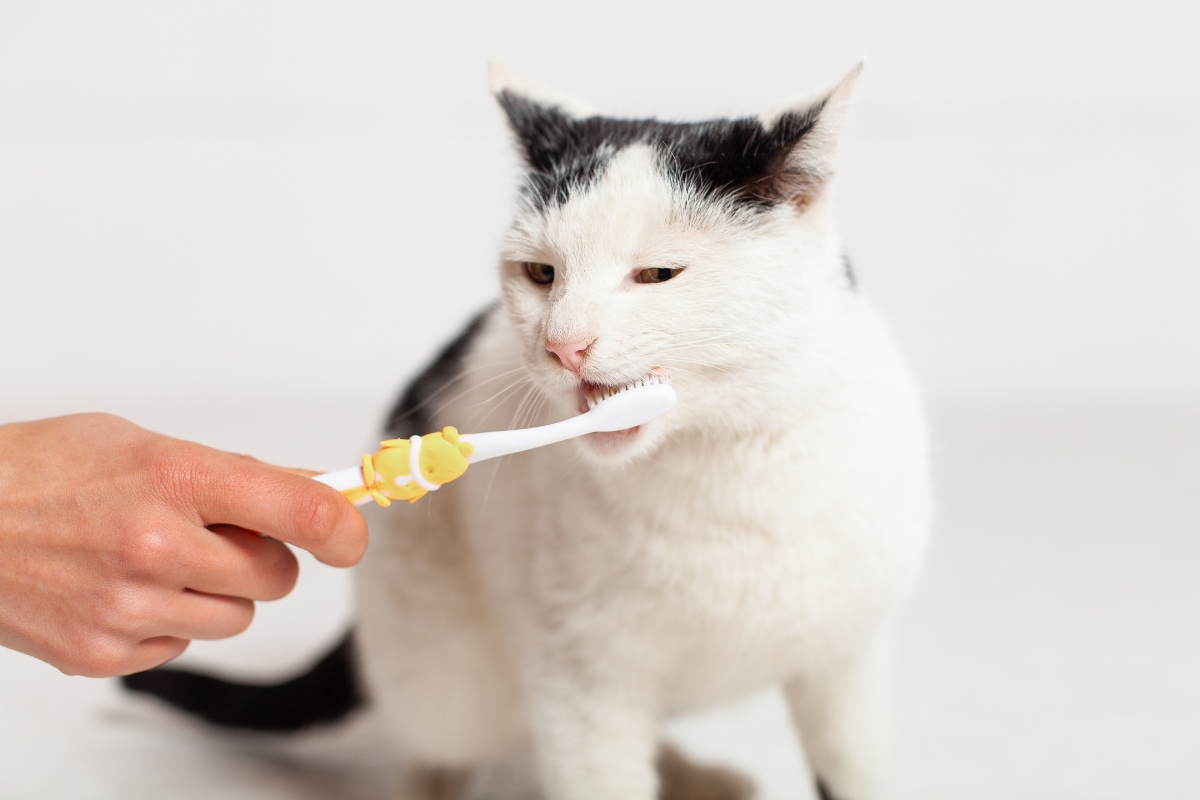
- Brush your cat’s teeth if tolerated
- Schedule regular dental evaluations
- Feed balanced nutrition
- Watch for changes in eating habits or breath odor
Preventive pet dental care plays an important role in reducing long-term oral disease.
When to Contact a Veterinarian
Pet owners should seek veterinary attention if their cat develops:
- Persistent bad breath
- Drooling
- Difficulty eating
- Swollen or bleeding gums
- Weight loss
- Facial swelling
- Loose teeth
Early treatment may help prevent more serious complications and improve quality of life.
For pet owners in Peabody, MA, recognizing the warning signs of dental disease and oral infections can help cats receive earlier care and better long-term health support. At Borash Veterinary Clinic, our veterinary team provides dental evaluations, preventive care, and treatment options tailored to each cat’s individual needs.
If your cat has persistent bad breath, difficulty eating, or signs of oral discomfort, schedule your appointment with Borash Veterinary Clinic. Our team can help identify the underlying cause and recommend personalized treatment options to improve your cat’s comfort and oral health.
Frequently Asked Questions
Q1. Is bad breath normal in cats?
Ans. Mild food-related odor may occasionally occur, but persistent foul-smelling breath is usually not normal and may indicate dental disease, infection, or another health issue.
Q2. What causes rotten-smelling breath in cats?
Ans. Severe dental disease, gum infections, tooth decay, or oral abscesses are common causes of strong or rotten-smelling breath in cats.
Q3. Can kidney disease cause bad breath in cats?
Ans. Yes. Cats with kidney disease may develop breath that smells like ammonia or chemicals due to toxin buildup in the bloodstream.
Q4. How often should cats have dental exams?
Ans. Most cats benefit from annual veterinary dental evaluations, though some pets with dental disease may require more frequent monitoring and cleanings.
Q5. Can I brush my cat’s teeth at home?
Ans. Yes. Many cats tolerate gradual toothbrushing using veterinarian-approved toothpaste and soft brushes designed specifically for pets.
Q6. When should I take my cat to the veterinarian for bad breath?
Ans. Veterinary evaluation is recommended if bad breath persists or is accompanied by drooling, difficulty eating, bleeding gums, swelling, or weight loss.