
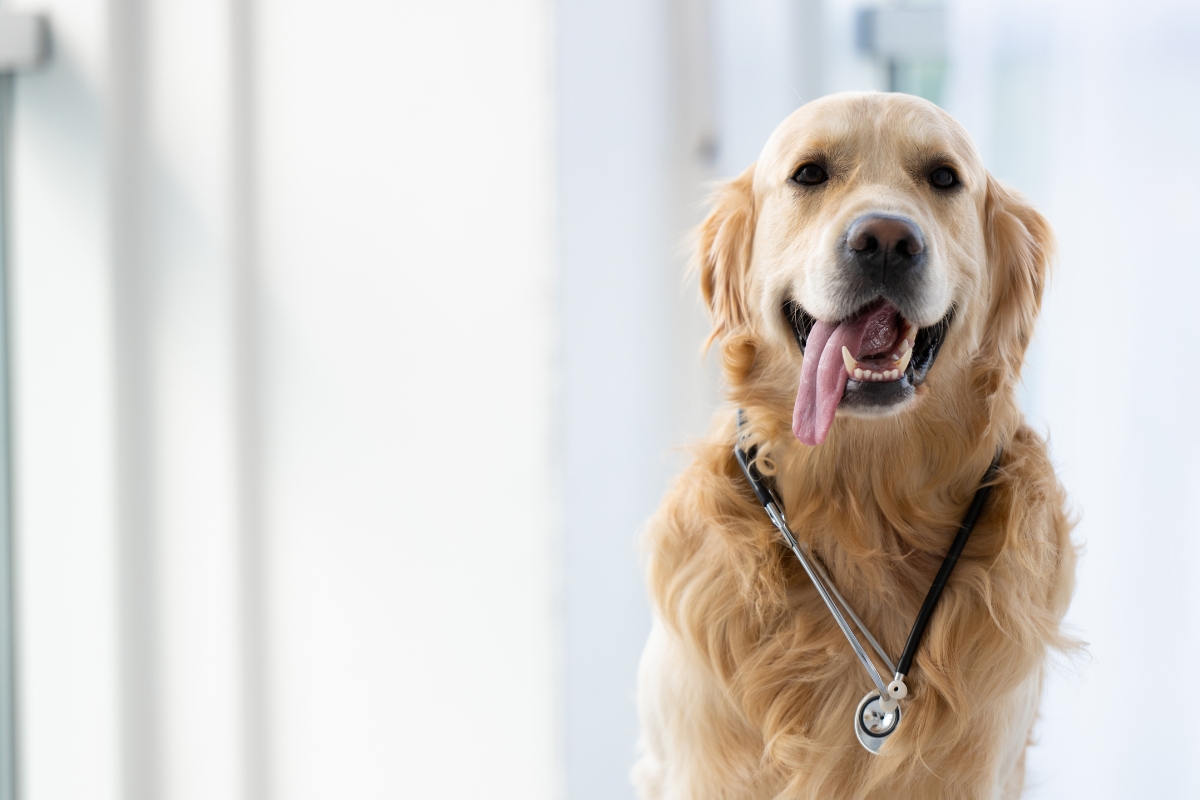
Your dog may continue eating, playing, and acting normally even when dental problems are developing. Plaque, tartar, and gum inflammation often progress without obvious symptoms. By the time your dog shows discomfort, dental disease may already be affecting their teeth and gums.
Professional dental cleaning helps remove harmful buildup, identify hidden dental problems, and prevent certain complications. Knowing when your dog needs dental care can help you address concerns before they become painful.
For dog owners in Peabody, understanding the dental cleaning process can make caring for their pets easier. This guide explains the warning signs, what happens during a cleaning, and how regular dental care supports your dog’s comfort and long-term oral health.
Why Is Professional Dental Cleaning Important for Dogs?
Dogs develop plaque on their teeth just like humans. When plaque is not removed, it hardens into tartar and accumulates around the gumline. Over time, bacteria can cause inflammation, infections, and damage to the tissues supporting the teeth.
Professional dental cleaning removes plaque and tartar from areas that brushing cannot adequately reach.
Regular dental care helps:
- Reduce plaque and tartar buildup.
- Lower the risk of periodontal disease.
- Identify damaged or infected teeth.
- Address persistent bad breath caused by dental disease.
- Reduce discomfort while chewing.
- Protect healthy teeth and gums.
At our veterinary practice, pet dentistry includes dental examinations, professional cleanings, and guidance for maintaining oral health at home.
What Are the Signs Your Dog Needs a Dental Cleaning?
Dogs often hide dental discomfort, making early symptoms difficult to recognize. However, certain changes may indicate that a veterinary dental examination is necessary.
Persistent Bad Breath
Occasional changes in breath odor are normal, but consistently unpleasant breath may indicate bacterial buildup or dental disease.
Yellow or Brown Tartar
Visible yellow or brown deposits near the gumline indicate hardened plaque. Once tartar develops, professional cleaning is necessary to remove it.
Red or Bleeding Gums
Swollen, red, or bleeding gums may indicate gingivitis or more advanced periodontal disease. These symptoms should not be ignored.
Difficulty Eating
Dental discomfort can change your dog’s eating habits.
Watch for:
- Chewing on one side of the mouth.
- Dropping food while eating.
- Avoiding hard treats.
- Taking longer to finish meals.
- Showing less interest in food.
Loose Teeth or Mouth Sensitivity
Loose adult teeth, excessive drooling, or pawing at the mouth may indicate significant dental problems requiring veterinary attention.
How Often Should Dogs Have Their Teeth Professionally Cleaned?
Many dogs benefit from professional dental cleaning approximately once a year. However, cleaning frequency depends on their age, breed, oral health, and medical history.
Some dogs develop dental problems faster than others.
Factors influencing cleaning frequency include:
- Breed and size: Smaller dogs often develop dental disease earlier because of crowded teeth.
- Age: Dental problems become more common as dogs grow older.
- Existing conditions: Dogs with periodontal disease may require more frequent treatment.
- Home care: Regular brushing helps reduce plaque between professional visits.
Our vets examine your dog’s teeth during routine wellness appointments and recommend cleanings based on their individual needs.
What Happens During a Professional Dog Dental Cleaning?
Veterinary dental cleaning involves several steps to remove buildup, examine the teeth, and identify hidden problems.
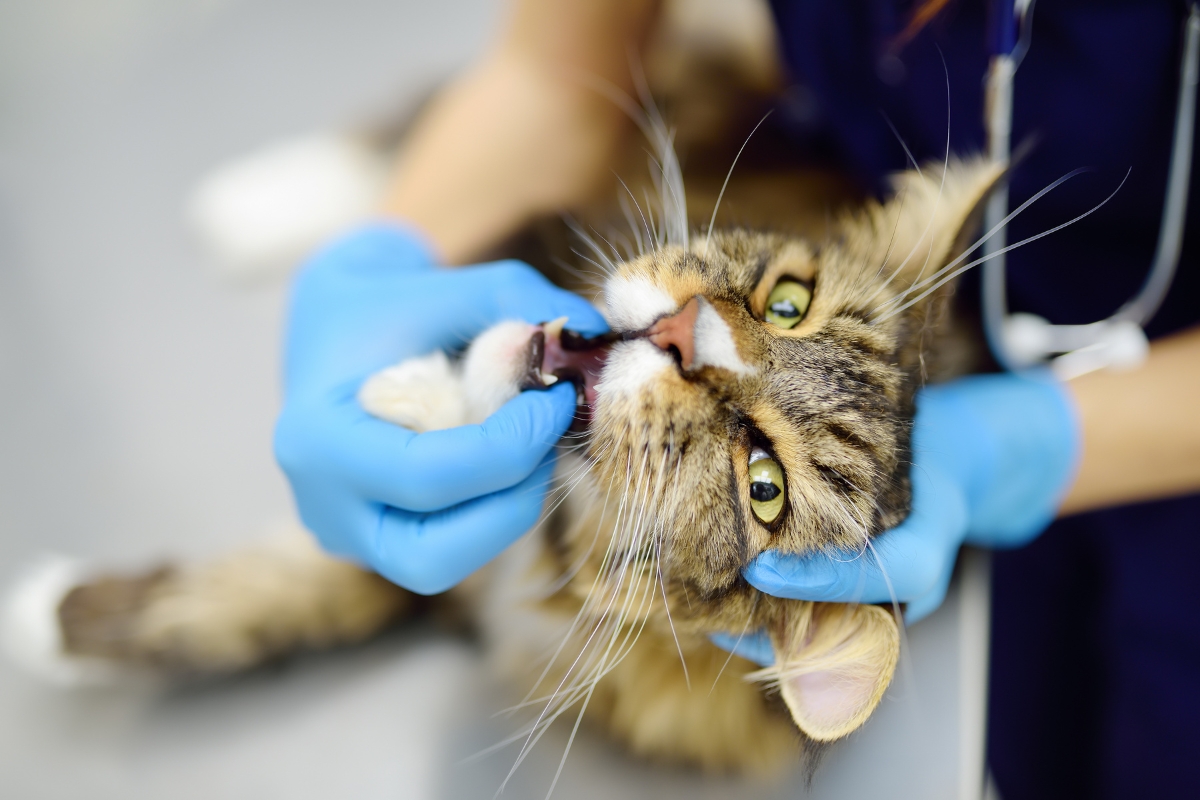
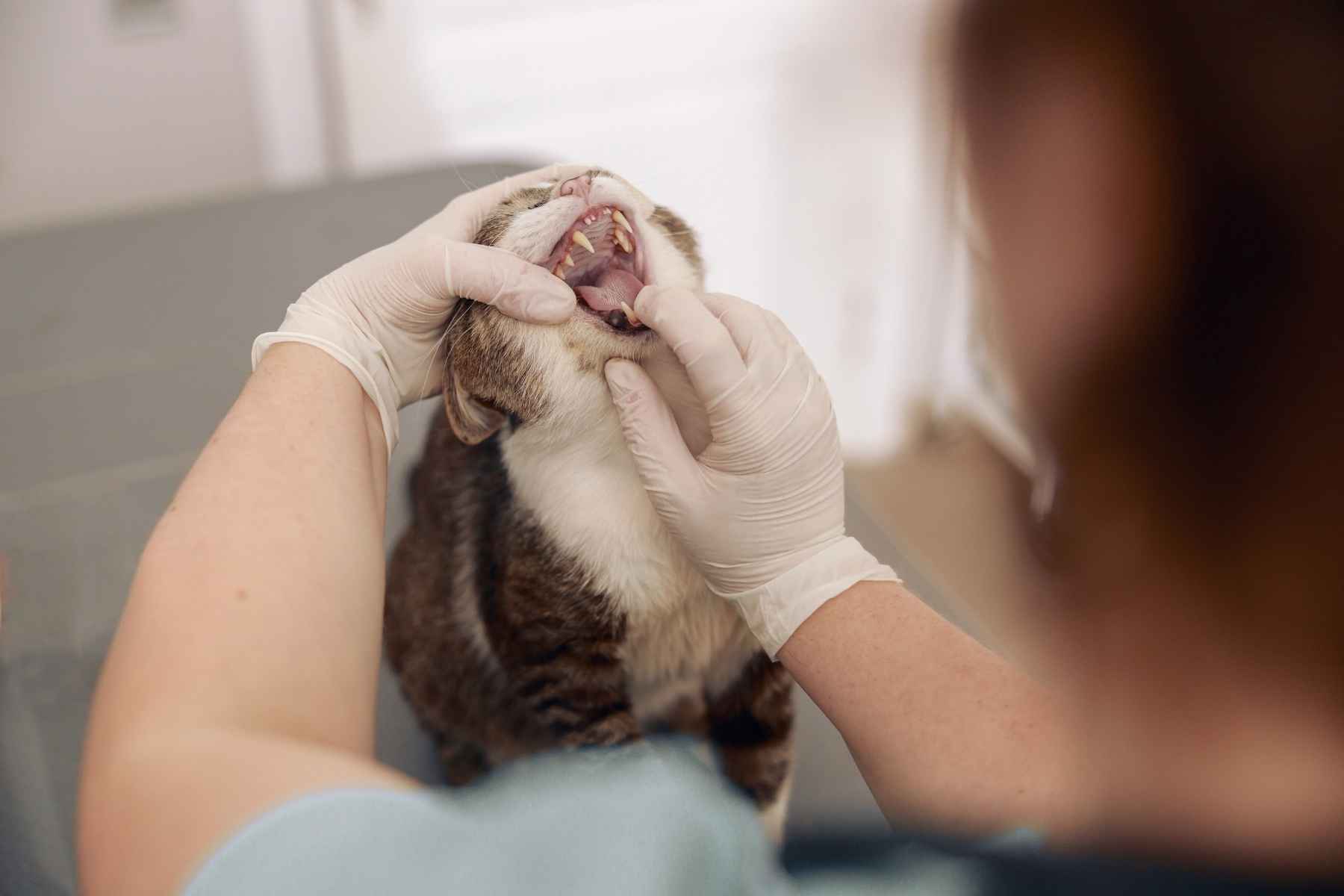
Step 1: Dental Examination
Our vets examine your dog’s teeth and gums and review their medical history. Additional health assessments may be recommended before anesthesia.
Step 2: General Anesthesia
Professional dental cleaning requires general anesthesia. This allows the veterinary team to examine the mouth thoroughly and clean beneath the gumline without sudden movement.
Step 3: Plaque and Tartar Removal
Dental instruments remove plaque and hardened tartar from tooth surfaces and beneath the gums.
The teeth are then polished to smooth their surfaces after scaling.
Step 4: Dental X-Rays
Some dental problems develop below the gumline, where they cannot be seen during a visual examination.
Our veterinary practice uses digital dental radiography to evaluate tooth roots, surrounding bone, and hidden dental abnormalities.
Step 5: Additional Dental Treatment
If severely damaged or diseased teeth are identified, our vets may recommend extractions or other appropriate treatment.
Step 6: Recovery and Aftercare
After cleaning, your dog is monitored during recovery from anesthesia.
Our veterinary team provides instructions about feeding, activity, medications when needed, and continued dental care.
Is Anesthesia Necessary for Dog Dental Cleaning?
Yes. General anesthesia is necessary for a complete professional veterinary dental cleaning. Anesthesia-free cleaning may remove visible tartar, but it cannot adequately clean beneath the gumline or identify hidden dental disease.
General anesthesia allows veterinarians to:
- Examine each tooth thoroughly.
- Clean below the gumline.
- Take diagnostic dental X-rays.
- Identify damaged or infected teeth.
- Perform necessary dental treatments.
Although anesthesia carries risks, veterinarians assess each dog’s health and take appropriate precautions. Our vets can discuss anesthesia-related concerns before scheduling your dog’s procedure.
What Happens if Your Dog Never Gets a Dental Cleaning?
Untreated dental disease can progress from mild gum inflammation to serious periodontal damage.
Over time, your dog may develop:
- Persistent gum inflammation.
- Pain while chewing.
- Gum recession.
- Bone loss around teeth.
- Loose or damaged teeth.
- Dental infections and tooth loss.
Advanced dental disease may also contribute to broader health concerns.
Early diagnosis and appropriate treatment can help prevent some complications and preserve your dog’s oral comfort.
How Can You Maintain Your Dog’s Dental Health at Home?
Professional cleaning is important, but home care helps control plaque between veterinary visits.
Brush Your Dog’s Teeth
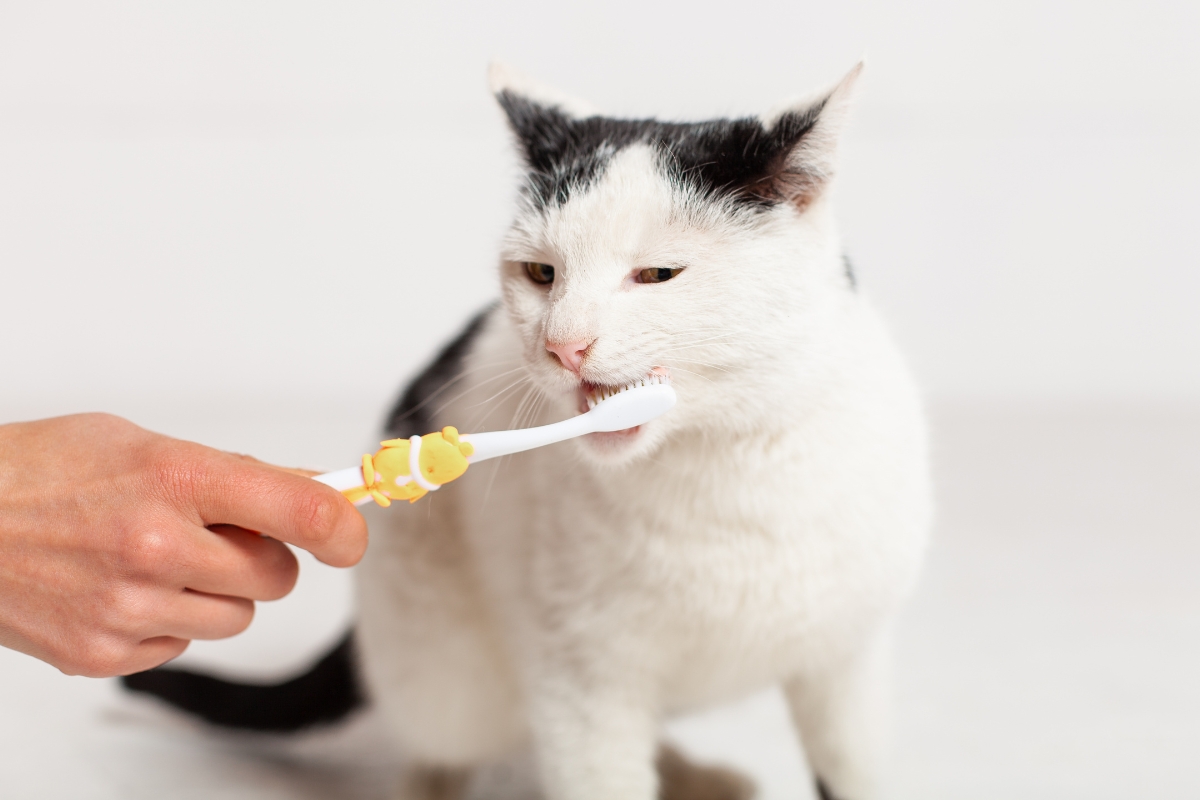
Daily brushing is one of the most effective ways to reduce plaque. Use a pet toothbrush and toothpaste formulated specifically for dogs.
Provide Appropriate Dental Chews
Choose dental chews accepted by the Veterinary Oral Health Council (VOHC). Avoid extremely hard chews that could fracture teeth.
Monitor Oral Changes
Check your dog’s mouth regularly for tartar, redness, bleeding, swelling, or unusual odors.
Schedule Routine Dental Examinations
Regular veterinary visits help detect problems that may not be visible at home. Through pet dentistry, our vets assess your dog’s oral health and recommend professional cleaning or additional treatment when necessary.
How Does Dental Cleaning Improve Your Dog’s Quality of Life?
Healthy teeth and gums support your dog’s everyday comfort.
Professional dental care can help improve:
- Eating comfort: Treating painful dental conditions may make chewing easier.
- Playtime: Dogs with healthier mouths may feel more comfortable using toys.
- Oral health: Removing plaque and treating dental disease helps reduce inflammation.
- Long-term comfort: Regular examinations can identify problems before extensive damage occurs.
Maintaining oral health becomes increasingly important as dogs age because periodontal disease often progresses over time.
Help Your Dog Enjoy a Healthier, More Comfortable Life
Healthy teeth and gums help dogs eat comfortably, enjoy their favorite activities, and avoid unnecessary oral pain. Regular dental examinations and timely cleanings can identify problems before they cause lasting damage.
At our veterinary practice, we support your dog’s oral health through dental examinations, professional cleanings, digital dental X-rays, and practical home care guidance. Our vets help pet owners address dental concerns and protect their dogs’ teeth throughout their lives.
If you live in Peabody or a nearby community, contact our veterinary practice today to schedule your dog’s dental examination. Call 978-531-8713 and take the next step toward protecting your dog’s oral health and everyday comfort.
Frequently Asked Questions
Q1. How can I schedule a dog dental cleaning in Peabody?
Ans. Contact Borash Veterinary Clinic in Peabody to schedule a dental examination. Our vets will assess your dog’s oral health and determine whether professional cleaning is needed.
Q2. Does my dog need a cleaning if their teeth look clean?
Ans. Possibly. Dental disease can develop beneath the gumline even when visible teeth appear healthy. A veterinary examination helps determine whether cleaning is necessary.
Q3. Can Borash Veterinary Clinic treat advanced dental disease in Peabody?
Ans. Yes. Borash Veterinary Clinic provides dental examinations, professional cleanings, and digital dental radiography in Peabody. Our vets can recommend additional treatment when dental disease is identified.
Q4. How long does recovery take after dental cleaning?
Ans. Many dogs resume normal activities within 24 hours after an uncomplicated cleaning. Recovery may take longer if extractions or additional treatments are performed.
Q5. Where can I get my dog’s teeth examined in Peabody?
Ans. Borash Veterinary Clinic provides veterinary dental examinations in Peabody. Our vets evaluate the teeth and gums and recommend appropriate care based on their findings.
Q6. Can brushing replace professional dental cleaning?
Ans. No. Brushing reduces plaque but cannot remove hardened tartar or treat disease beneath the gumline. Both home care and professional treatment are important.