
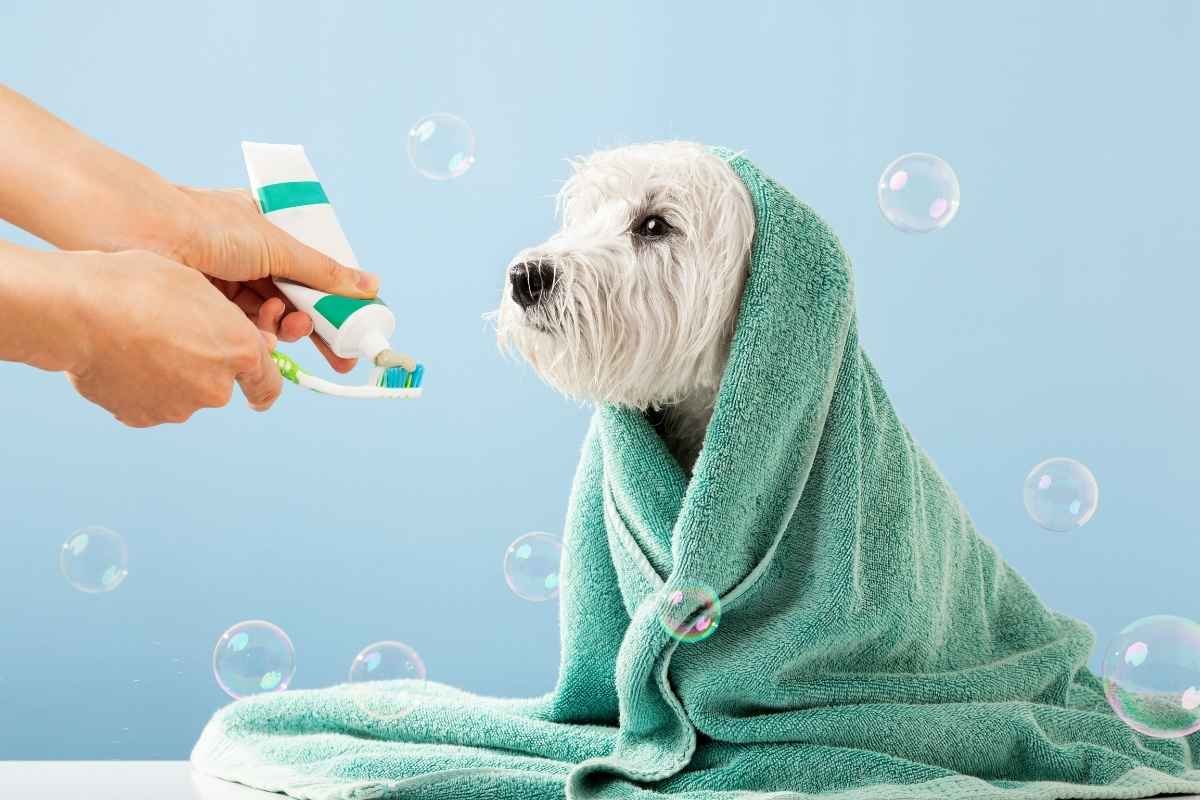
Maintaining good oral hygiene is essential for your pet’s overall health. Just like humans, dogs and cats can develop plaque, tartar buildup, and gum disease if their teeth are not properly cared for. Regularly brushing your pet’s teeth with a safe, pet-specific toothpaste can help prevent dental problems and support long-term health.
At Borash Veterinary Clinic, we often remind pet owners that human toothpaste should never be used for pets because it may contain ingredients that are harmful if swallowed. Instead, veterinarians recommend specially formulated products made specifically for animals.
Understanding the safest toothpastes for dogs and cats can help pet owners maintain good oral health for their pets. This guide highlights vet-approved options and helpful tips for building a consistent dental care routine, especially for pet owners in Peabody, MA.
Why Dental Care Is Important for Pets
Dental health is closely connected to a pet’s overall well-being. Without regular oral care, plaque and tartar can build up on teeth, eventually leading to periodontal disease. This condition affects a large percentage of adult dogs and cats and can cause pain, infection, and tooth loss.
In more advanced cases, bacteria from dental disease may even spread to vital organs such as the heart, liver, or kidneys. That’s why routine brushing, professional cleanings, and proper dental products are key components of preventive care.
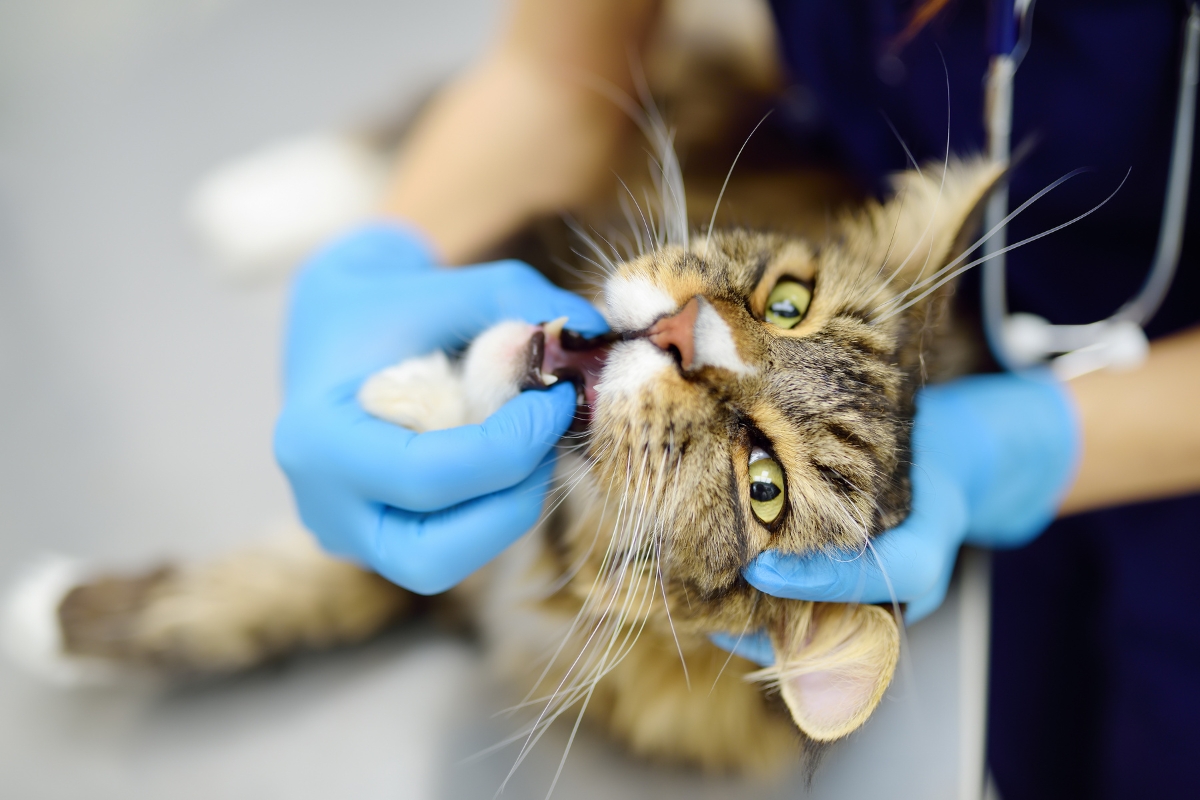
Veterinary professionals often emphasize the importance of home care alongside professional pet dentistry services. Together, these practices help maintain strong teeth and healthy gums.
Why Human Toothpaste Is Unsafe for Pets
Many pet owners wonder if they can simply use their own toothpaste when brushing their pet’s teeth. However, human toothpaste contains ingredients that may be harmful to animals.
Common ingredients that can pose risks include:
- Fluoride: Can be toxic if swallowed in large amounts
- Xylitol: A sweetener that is extremely dangerous for dogs
- Foaming agents: Designed for rinsing and spitting, which pets cannot do
Because pets naturally swallow toothpaste during brushing, only products designed specifically for animals should be used.
What to Look for in Vet-Approved Toothpaste
Choosing the right toothpaste is an important step in maintaining healthy teeth for your pet. Veterinarians often recommend products with the following qualities:
Safe, Pet-Specific Formulas
Pet toothpastes are designed to be swallowed safely and typically avoid harmful chemicals found in human products.
Enzymatic Ingredients
Many veterinary dental products include enzymes that help break down plaque and reduce bacteria in the mouth.
Appealing Flavors
Pet toothpaste often comes in flavors such as poultry, beef, or seafood to make brushing more enjoyable for animals.
Plaque and Tartar Control
Effective toothpaste helps reduce plaque buildup and slow the formation of tartar.
Vet-Approved Toothpaste Options for Pets
There are several widely recommended toothpastes for dogs and cats that veterinarians commonly suggest as part of a home dental care routine.
Enzymatic Pet Toothpaste
Enzymatic formulas are among the most popular veterinary dental products. These toothpastes contain special enzymes that help break down plaque and bacteria.
Veterinary Oral Health Council (VOHC) Approved Products
Some pet dental products carry the VOHC seal of approval, indicating they meet specific standards for plaque and tartar control.
Natural or Limited-Ingredient Toothpaste
Certain products use natural ingredients and simplified formulas, which can be beneficial for pets with sensitivities.
Flavor-Specific Toothpastes
Flavored toothpastes can make brushing more enjoyable and encourage cooperation during daily dental care.
Your veterinarian can help determine which product is most appropriate based on your pet’s age, breed, and dental condition.
Tips for Brushing Your Pet’s Teeth
Establishing a regular brushing routine is one of the most effective ways to maintain your pet’s oral health.
Here are a few helpful tips for getting started:
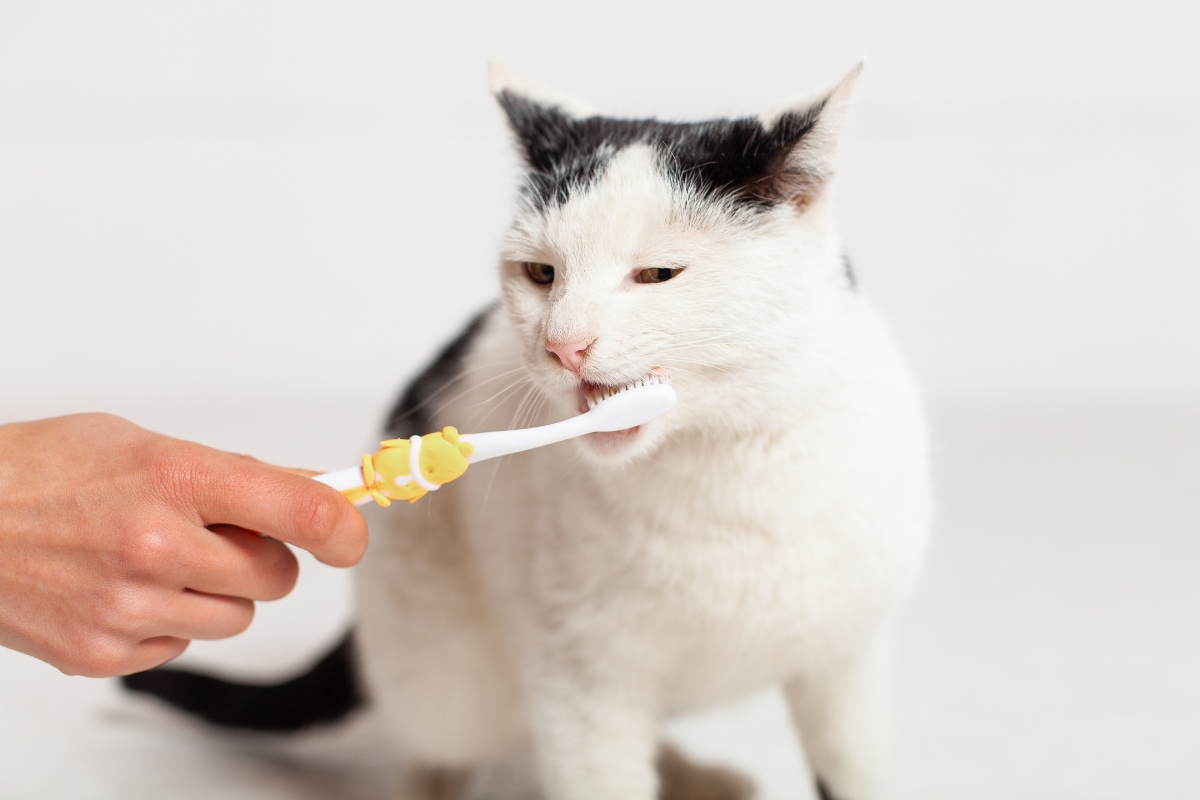
Start slowly: Allow your pet to become familiar with the toothpaste flavor and toothbrush before brushing.
Use pet-friendly tools: Soft-bristled pet toothbrushes or finger brushes are designed for animal mouths.
Brush gently: Focus on the outer surfaces of the teeth, where plaque tends to accumulate.
Be consistent: Daily brushing is ideal, but even brushing a few times per week can make a difference.
Combining home brushing with professional pet dentistry services can significantly reduce the risk of dental disease.
Signs Your Pet May Need Dental Care
Even with regular brushing, pets may develop dental problems that require professional attention. Watch for signs such as:
- Bad breath
- Red or swollen gums
- Difficulty chewing
- Excessive drooling
- Loose or discolored teeth
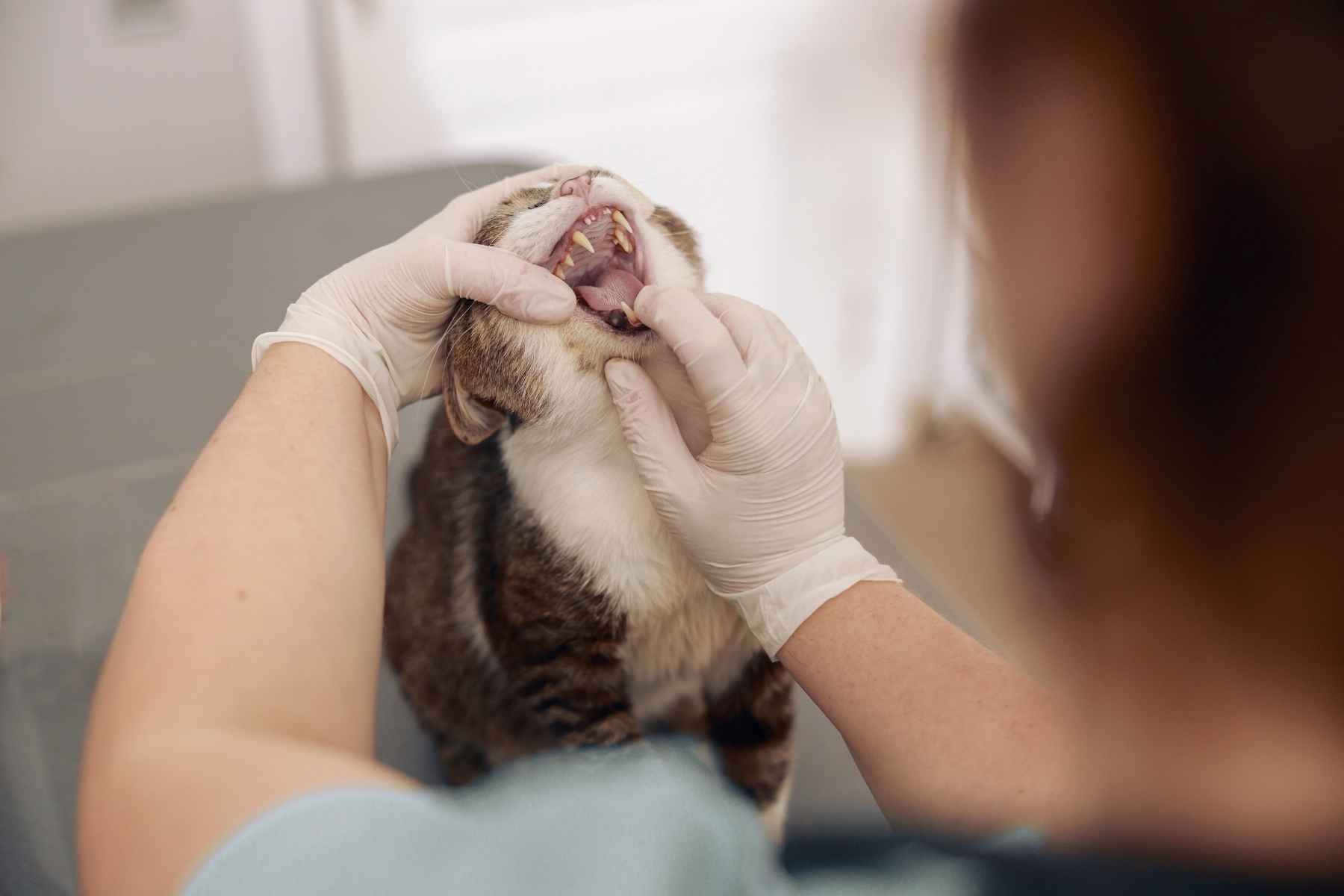
If these symptoms appear, it may be time to consult a veterinarian for a dental examination.
Maintaining proper oral hygiene is an essential part of caring for your pet’s health. Using safe, vet-approved toothpastes for dogs and cats can help prevent plaque buildup, protect gum health, and reduce the risk of dental disease. When combined with routine brushing and regular veterinary checkups, these products play an important role in supporting your pet’s long-term well-being.
If you have questions about your pet’s dental health or need guidance on selecting the right dental care products, the team at Borash Veterinary Clinic can provide helpful advice and professional support.
Regular dental care and veterinary checkups help ensure that your pet’s teeth remain healthy throughout their life. If you live in Peabody, MA, and want to learn more about maintaining your pet’s oral health, you can schedule your appointment to discuss preventive dental care and treatment options.
Frequently Asked Questions (FAQs)
Q1. Can I use human toothpaste for my dog or cat?
Ans. No. Human toothpaste often contains ingredients such as fluoride or xylitol that can be harmful to pets.
Q2. How often should I brush my pet’s teeth?
Ans. Daily brushing is ideal, but brushing several times per week can still help reduce plaque buildup.
Q3. What type of toothpaste is best for pets?
Ans. Veterinary-approved enzymatic toothpaste is commonly recommended because it helps break down plaque and bacteria.
Q4. Are dental treats a good substitute for brushing?
Ans. Dental treats can support oral health but should not replace regular tooth brushing.
Q5. At what age should pets start dental care?
Ans. Dental care can begin during puppyhood or kittenhood to help pets become comfortable with brushing.
Q6. How do I know if my pet needs professional dental cleaning?
Ans. Signs such as bad breath, gum inflammation, or difficulty chewing may indicate the need for a professional dental evaluation.