
Many cats resist having their mouths handled, especially when toothbrushing is introduced suddenly. However, with patience and a gradual approach, most cats can learn to tolerate or even accept a simple oral hygiene routine. The key is to make each step predictable, comfortable, and rewarding rather than forcing your cat to cooperate.
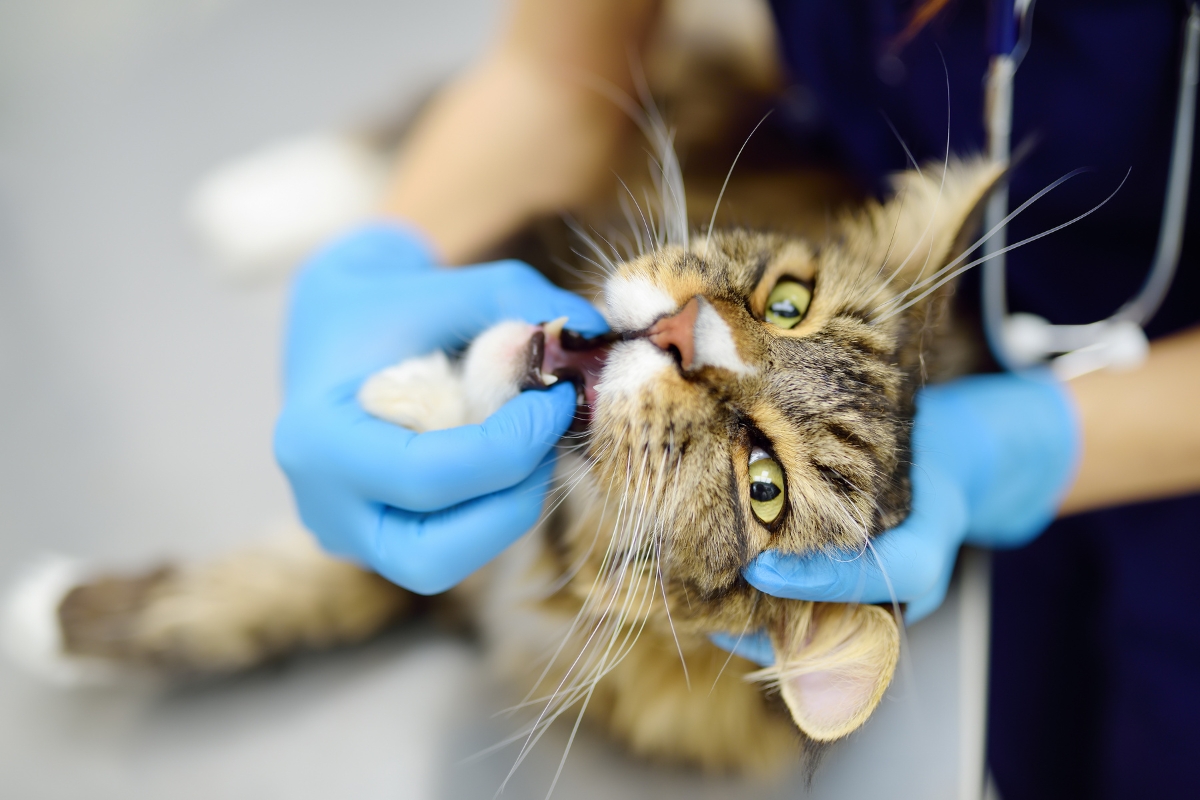
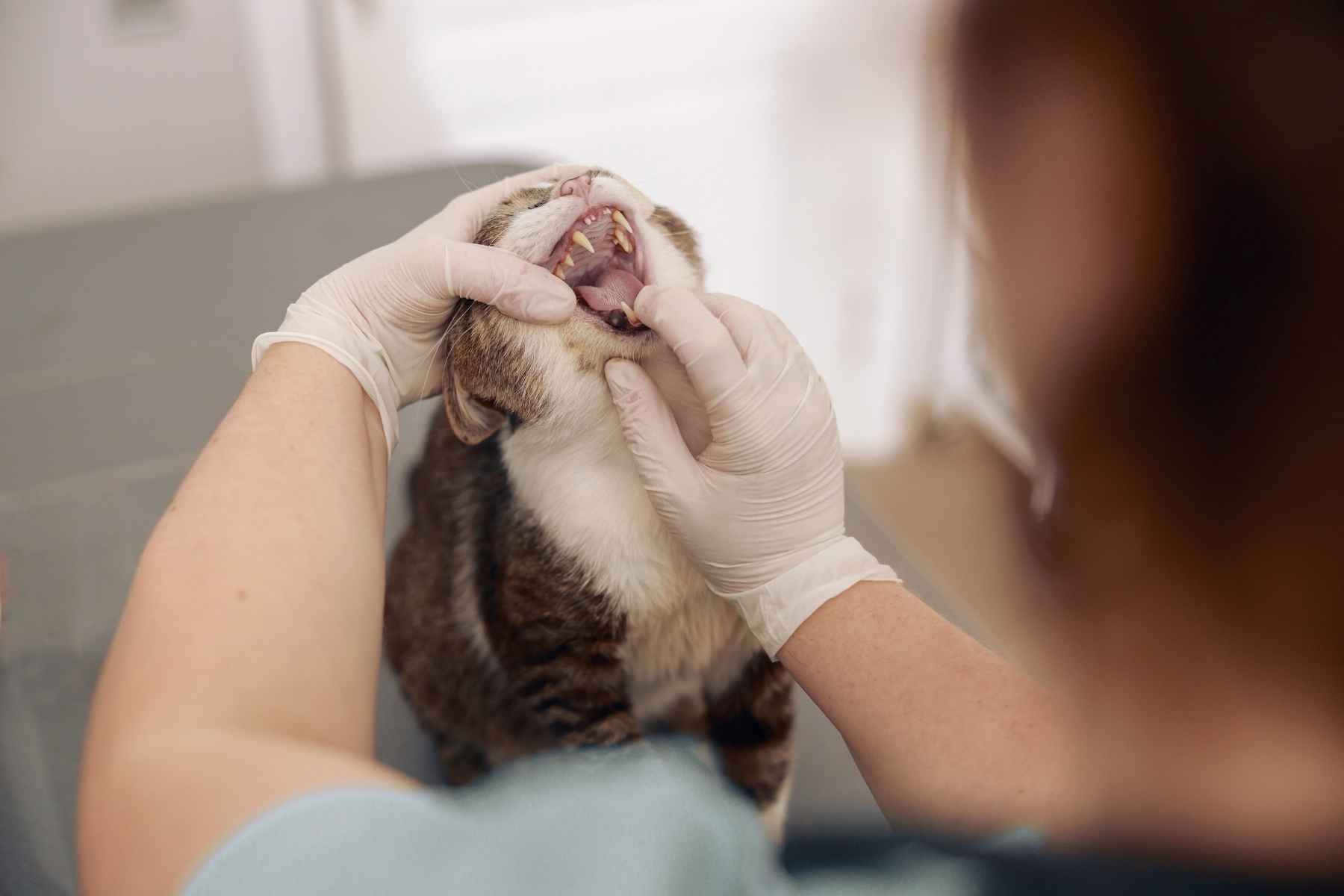
Good oral hygiene can help reduce plaque buildup and support healthier teeth and gums. However, brushing should complement regular veterinary examinations rather than replace them. Professional pet dentistry can identify dental problems that may develop below the gumline or require treatment beyond what home care can provide.
Why Cats May Resist Toothbrushing
Cats naturally prefer familiar routines. A toothbrush touching their teeth can feel strange, particularly if they have never experienced mouth handling before. Some cats may also associate facial touching with unpleasant experiences, especially if they have previously experienced dental discomfort.
Therefore, rushing directly into brushing can create fear or resistance. Instead, begin by helping your cat become comfortable with gentle handling around the face.
Watch your cat’s body language. Flattened ears, a rapidly moving tail, hissing, hiding, or attempts to escape indicate that you should stop and try again later.
Start With Trust and Gentle Handling
Before introducing toothpaste or a toothbrush, focus on making facial contact comfortable.
Choose a quiet time when your cat is relaxed. Gently stroke the cheeks, chin, and sides of the face for a few seconds. If your cat remains calm, offer praise or a favorite appropriate reward.
Repeat this process over several sessions. Gradually increase the amount of handling only when your cat remains comfortable.
The goal is simple: your cat should learn that having its face touched does not lead to something frightening.
Introduce Toothpaste Before the Toothbrush
Once your cat accepts gentle facial handling, introduce toothpaste formulated specifically for cats.
Never use human toothpaste. Cats swallow toothpaste rather than rinsing and spitting it out, and some human toothpaste ingredients may be unsafe for pets.
Place a very small amount of cat-safe toothpaste on your finger. Allow your cat to smell and taste it. If your cat accepts it calmly, continue this step during several short sessions before moving forward.
Do not worry about brushing immediately. Building familiarity first can make the next steps much easier.
Teach Your Cat to Accept Finger Brushing
After your cat becomes comfortable with the toothpaste, gently lift the lip and touch the outside surfaces of the teeth with your finger.
Start with only a few seconds. Focus on the areas that are easiest to reach, particularly the outer surfaces of the teeth where plaque commonly accumulates.
Use gentle movements and avoid forcing your cat’s mouth open. If your cat remains relaxed, gradually increase the duration over time.
Reward cooperation after every successful session.
Introduce the Toothbrush Gradually
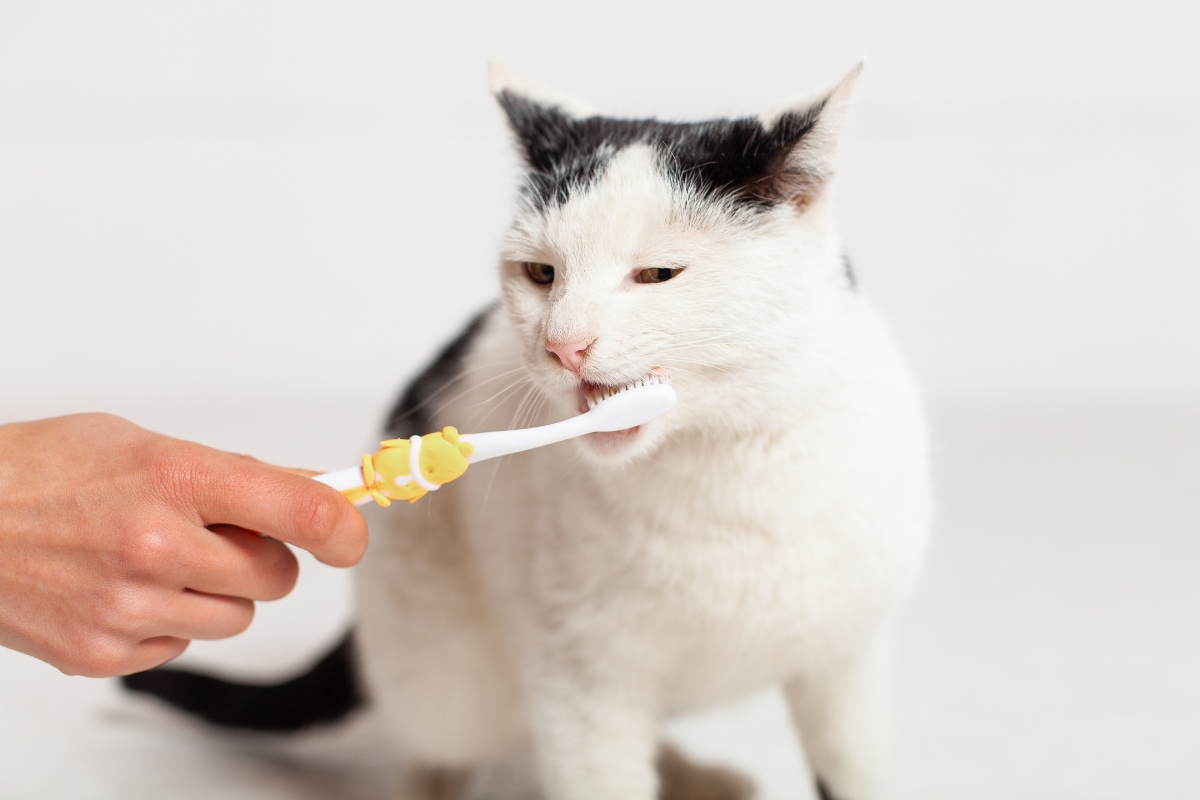
When your cat accepts finger brushing, introduce a soft toothbrush designed specifically for cats.
First, allow your cat to inspect and smell the toothbrush. You can place a small amount of cat-safe toothpaste on the bristles and let your cat become familiar with the texture.
Next, gently touch the toothbrush to the teeth for a few seconds. Over subsequent sessions, gradually begin making small, gentle brushing movements.
Keep Sessions Short
Short sessions are often more successful than trying to brush every tooth immediately.
A practical progression may look like this:
- Touch the face.
- Lift the lip briefly.
- Introduce cat-safe toothpaste.
- Rub the teeth gently with a finger.
- Introduce the toothbrush.
- Gradually increase brushing time.
Move to the next step only when your cat is comfortable with the previous one.
How Often Should You Brush Your Cat’s Teeth?
Daily brushing is generally considered the ideal routine for controlling plaque. However, consistency matters, and some cats need more time to reach daily brushing.
If your cat currently tolerates brushing only a few times per week, continue working toward a more regular routine rather than abandoning the process.
Choose a consistent time of day when your cat is usually calm. A predictable routine can make toothbrushing feel like another normal part of daily life.
Signs You Should Stop the Session
Never force a cat through a dental routine. If your cat becomes highly stressed, stop and allow it to relax.
Signs that your cat needs a break may include:
- Flattened ears
- Hissing or growling
- Swatting
- Trying to escape
- Excessive tail movement
- Hiding
- Sudden agitation
If this happens repeatedly, return to an earlier step that your cat already accepts.
Positive reinforcement generally works better than restraint or punishment. Your goal is to build cooperation gradually.
When Toothbrushing Is Not Enough
Home brushing can help manage plaque, but it cannot remove established tartar or treat dental disease. Cats may also develop painful problems that are difficult to see at home.
Schedule a veterinary examination if you notice:
- Persistent bad breath
- Red or bleeding gums
- Excessive drooling
- Difficulty chewing
- Dropping food
- Pawing at the mouth
- Reduced appetite
- Loose or damaged teeth
- Facial swelling
Cats often hide pain, so subtle behavioral changes can be important.
Professional Dental Care for Cats
Regular oral examinations allow veterinary professionals to monitor changes in your cat’s teeth and gums. If dental disease is suspected, a professional cleaning and dental X-rays may be recommended to evaluate areas beneath the gumline.
Tips for a More Comfortable Routine
A few simple habits can make toothbrushing easier:
- Choose a quiet location.
- Brush when your cat is relaxed.
- Use only cat-specific dental products.
- Keep sessions brief.
- Reward calm behavior.
- Never punish resistance.
- Replace worn toothbrushes regularly.
- Introduce changes gradually.
Most importantly, pay attention to your cat’s individual personality. Some cats progress quickly, while others need weeks of gradual practice.
Introducing toothbrushing does not have to become a stressful experience for you or your cat. Start slowly, build trust, use cat-safe products, and reward calm cooperation. With consistency, your cat can gradually become more comfortable with an oral hygiene routine.
Schedule your appointment with Borash Veterinary Clinic to discuss your cat’s dental health and learn how professional examinations and home care can work together to support better oral health.
Frequently Asked Questions
Q1. How can I get my cat used to having its teeth brushed?
Ans: Start by gently touching your cat’s cheeks and lips without brushing. Gradually introduce cat-safe toothpaste, finger brushing, and finally a soft toothbrush. Move forward only when your cat remains comfortable.
Q2. Can I force my cat to tolerate toothbrushing?
Ans: It is better not to force the process. Restraint or punishment can increase fear and make future brushing more difficult. Use gradual training and positive reinforcement instead.
Q3. What type of toothpaste should I use for my cat?
Ans: Use toothpaste specifically formulated for cats. Do not use human toothpaste because cats swallow it and some ingredients may be unsafe.
Q4. How often should I brush my cat’s teeth?
Ans: Daily brushing is generally ideal for controlling plaque. If your cat is new to brushing, begin with short sessions and gradually work toward a consistent daily routine.
Q5. What if my cat refuses the toothbrush?
Ans: Stop and return to a step your cat accepts, such as gentle facial handling or tasting toothpaste. You can also ask your veterinarian about alternative dental products.
Q6. Does toothbrushing replace professional dental cleanings?
Ans: No. Brushing helps control plaque but cannot remove established tartar or treat dental disease below the gumline. Regular veterinary dental examinations remain important.