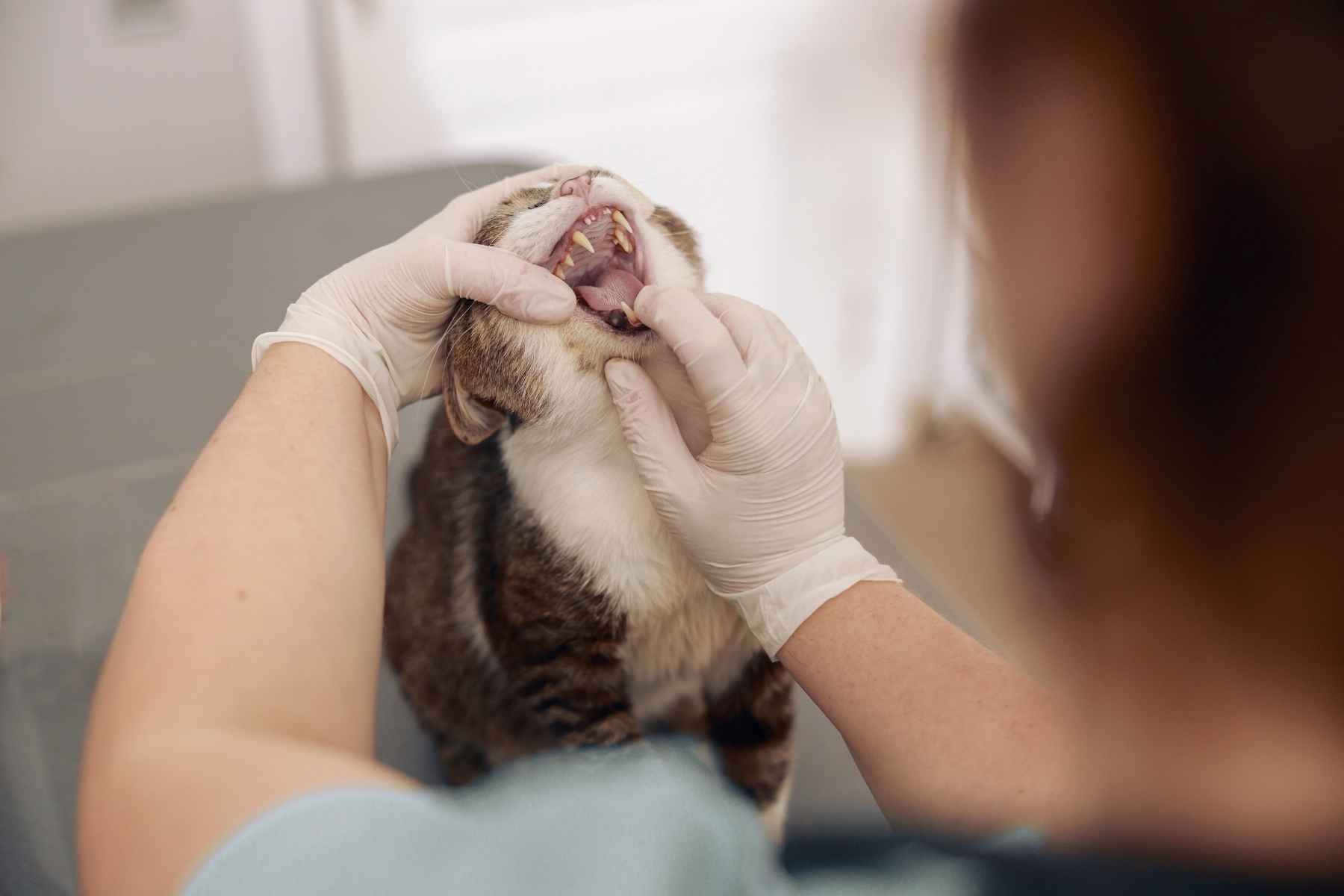

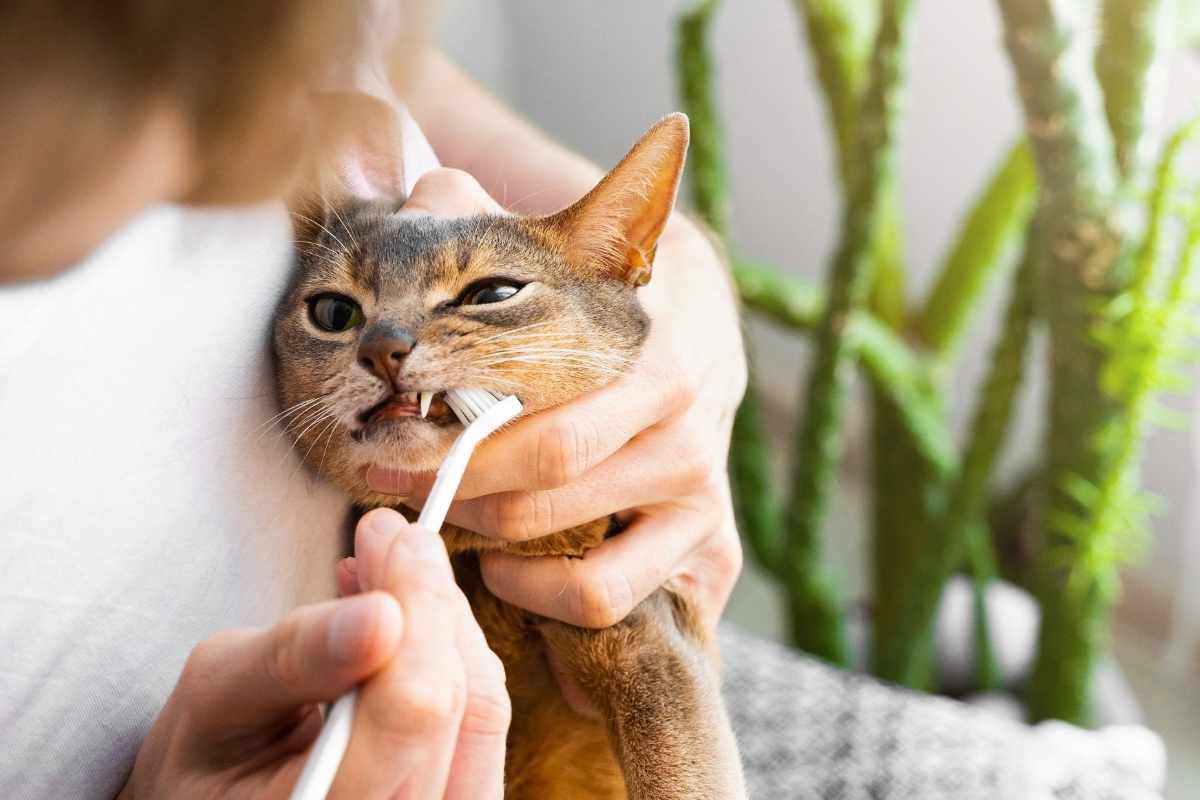
Brushing your cat’s teeth might sound challenging, but it’s one of the most effective ways to protect their long-term health. Dental disease is common in cats, and without proper care, it can lead to pain, infection, and other serious health issues. At Borash Veterinary Clinic, veterinarians often emphasize that a gentle, consistent approach can make dental care a manageable part of your routine.
With patience and the right techniques, you can turn tooth brushing into a low-stress experience for both you and your cat – while supporting better overall cat dental care.
Why Brushing Your Cat’s Teeth Matters
Cats are prone to plaque and tartar buildup, which can lead to periodontal disease over time. This condition doesn’t just affect the mouth – it can impact your cat’s overall health if bacteria enter the bloodstream.
Benefits of regular brushing include:
- Reducing plaque and tartar buildup
- Preventing gum disease and tooth loss
- Improving breath odor
- Supporting long-term health
Consistent brushing is one of the most effective preventive steps in maintaining your cat’s oral hygiene.
Start Slow and Build Trust
The key to stress-free brushing is gradual introduction. Cats are sensitive to new experiences, so rushing the process can lead to resistance.
How to begin:
- Let your cat taste pet-safe toothpaste first
- Gently touch their mouth and gums without a brush
- Keep sessions short and positive
Building trust over time helps your cat feel more comfortable and reduces anxiety during brushing.
Use the Right Tools
Choosing the proper tools can make a big difference in your cat’s comfort level.
Recommended tools include:
- A soft-bristled cat toothbrush or finger brush
- Pet-safe toothpaste (never use human toothpaste)
- Dental wipes as an alternative for sensitive cats
Using products designed specifically for cats ensures safety and effectiveness.
Step-by-Step Guide to Stress-Free Brushing
Once your cat is comfortable, you can begin brushing more effectively.
Follow these steps:
- Choose a calm, quiet time when your cat is relaxed
- Gently lift the lips to expose the teeth
- Brush in small circular motions along the gum line
- Focus on the outer surfaces of the teeth
- Keep sessions brief – about 30 seconds to 1 minute
You don’t need to brush every tooth perfectly. Consistency matters more than perfection.
Make It a Positive Experience
Positive reinforcement plays a major role in reducing stress.
Helpful tips:
- Reward your cat with treats or praise after brushing
- Stay calm and patient throughout the process
- Avoid forcing your cat if they become anxious
Creating a positive association helps your cat become more cooperative over time.
How Often Should You Brush Your Cat’s Teeth?
Daily brushing is ideal, but even a few times a week can make a noticeable difference.
Recommended frequency:
- Daily brushing for optimal results
- At least 3 – 4 times per week for maintenance
Regular brushing is a key part of effective cat dental care, helping prevent more serious dental issues.
Signs Your Cat May Have Dental Problems
Even with brushing, it’s important to monitor your cat’s oral health.
Watch for these signs:
- Bad breath
- Red or swollen gums
- Difficulty eating
- Drooling or pawing at the mouth
- Yellow or brown tartar buildup
If you notice these symptoms, a veterinary evaluation may be necessary.
When to Seek Professional Dental Care
At-home brushing is important, but it doesn’t replace professional dental cleanings. Veterinary exams can detect issues that aren’t visible at home.
If your cat resists brushing or shows signs of discomfort, it’s best to seek guidance. You can schedule your appointment with Borash Veterinary Clinic for expert advice and professional dental care tailored to your cat’s needs.
Common Questions Pet Owners Often Ask
Cat owners often have concerns about brushing and dental care:
- How do I get my cat used to tooth brushing?
- What if my cat refuses to cooperate?
- Are dental treats enough to replace brushing?
- How do I know if my cat has dental disease?
- Is professional cleaning necessary?
- What type of toothbrush is best for cats?
Understanding these questions can help you build a more effective routine.
Brushing your cat’s teeth doesn’t have to be stressful. With a gradual approach, the right tools, and positive reinforcement, it can become a simple part of your pet care routine.
Prioritizing dental hygiene helps prevent discomfort and supports your cat’s overall health. While these tips are helpful for cat owners everywhere, those seeking professional dental care can find trusted veterinary support in Peabody, MA and surrounding areas.
FAQs
Q1. How often should I brush my cat’s teeth?
Ans. Daily brushing is ideal, but 3–4 times per week can still provide good results.
Q2. Can I use human toothpaste for my cat?
Ans. No, human toothpaste is unsafe for cats. Always use pet-specific toothpaste.
Q3. What if my cat refuses tooth brushing?
Ans. Start slowly, use positive reinforcement, and consider alternatives like dental wipes.
Q4. Are dental treats enough for oral care?
Ans. They help, but they do not replace regular brushing.
Q5. How do I know if my cat has dental problems?
Ans. Signs include bad breath, swollen gums, and difficulty eating.
Q6. Do cats need professional dental cleanings?
Ans. Yes, routine veterinary cleanings are important for maintaining oral health.