
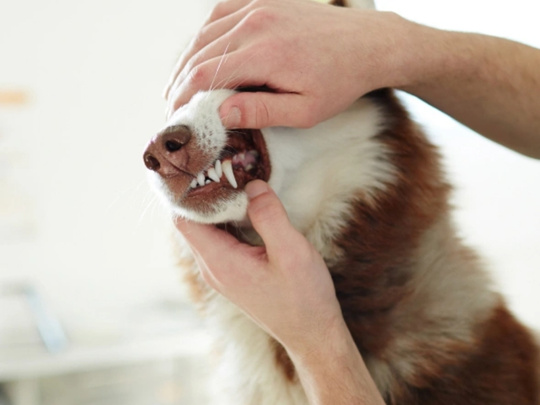
As pet owners, we only have the best interests at heart when it comes to our much-loved companions. Their wagging tails and excited barks make each day brighter, and it is no secret that pets have a special place in our family. However, pet dental care is often overlooked, and without it, dental problems in pets can have serious consequences for their health. At Borash Veterinary Clinic, it is essential to keep your pets happy and healthy.
The Importance of Dental Health in Pets
Pets can develop dental problems like us. By the age of 3, around 80% of dogs and 70% of cats experience dental issues. Conditions such as gingivitis and periodontal disease are common, but they are serious health concerns, not just minor irritations for pets. The dangers of untreated dental disease can cause serious health issues if not addressed.
In Peabody, where local pets thrive in parks and neighborhoods, it’s easy to overlook that dental health is just as vital as maintaining a shiny coat and healthy ears. Neglecting your pet’s dental care can cause mouth pain and, if left untreated, lead to systemic health problems affecting the heart, kidneys, and other essential organs.
Common Types of Dental Disease in Pets
Several types of dental disease can affect your pets, ranging from mild to severe. Here are the most common types of dental problems:
1. Gingivitis (Gum Disease)
Gingivitis is an early sign of dental problems that results from inflamed gums. This condition happens when plaque, a sticky layer of bacteria, builds up on a pet’s teeth. It often leads to red, swollen, and bleeding gums, especially when the mouth is touched.
2. Periodontal Disease
If gingivitis is not treated promptly, it can develop into more serious periodontal disease. This advanced stage involves the loss of the bone and tissues that support the teeth. As bacteria accumulate, the infection can spread deeper into the roots of the teeth, potentially leading to the loss of the affected teeth.
3. Tooth Fractures
Pets, especially dogs, can experience pain if they fracture a tooth while chewing on complex objects like bones or toys. Such injuries can be very uncomfortable for them and might lead to infections in the roots or gums, which require prompt attention.
4. Abscessed Teeth
An abscess happens when bacteria enter a tooth’s root, leading to an infection. This can cause swelling, discomfort, and fever in your pet. Because abscesses are usually painful, it is essential to seek professional treatment to help your pet heal.
5. Bad Breath (Halitosis)
Bad breath in pets is often an early sign of dental problems. While it is normal for pets to have a slight odor in their mouths, persistent bad breath usually indicates a buildup of bacteria from plaque and tartar.
The Dangers of Untreated Dental Disease
Neglecting your pet’s dental health can lead to serious health problems that could threaten your pet’s life. It’s essential to understand how poor dental care might impact their overall well-being and to take steps to prevent these issues.
1. Pain and Discomfort
Dental problems can cause a lot of pain for your pet, making it hard for them to eat, chew, or even play. Since pets often hide their discomfort, it can be difficult to tell when they are in pain. Signs to watch for include your pet avoiding food, pawing at their mouth, or becoming aggressive when their mouth is touched. If you notice any of these signs, your pet might be experiencing dental pain.
2. Heart Disease
One of the most worrying effects of untreated dental problems is their link to heart health. Bacteria from the mouth can enter the bloodstream and spread to other parts of the body, including the heart. This can cause inflammation of the heart valves and may lead to serious infections like endocarditis, which can be life-threatening.
3. Kidney Disease
Untreated dental problems can also affect the kidneys. Bacteria from infected teeth can travel to the kidneys, causing infections or damage. Kidney issues tend to develop slowly, and by the time symptoms show, significant damage may have already happened.
4. Liver Disease
The liver is a vital organ that can be affected by dental problems. Just as the heart and kidneys, bacteria from the mouth can enter the bloodstream and damage the liver. When the liver is affected, it can lead to symptoms such as yellowing of the skin and eyes, weight loss, and decreased appetite. Taking care of dental health is vital to help protect the liver and overall well-being.
5. Tooth Loss
If periodontal disease is not treated, it can cause teeth to fall out. Pets rely on their teeth to eat and chew properly, and losing teeth can make it harder for them to get the nutrition they need to stay healthy.
6. Infections and Abscesses
Painful abscesses in the mouth and gums, leading to swelling, fever, and intense discomfort, are among the dangers of untreated dental disease. Occasionally, these abscesses may rupture, spreading infection and potentially leading to more serious health issues.
7. Behavioral Changes
Pets that are in pain may become irritable or withdrawn. They might avoid eating, move less, or show aggressive behavior. These signs are often linked to dental issues, and visiting a veterinarian is the best way to ensure they receive proper care.
How to Prevent Dental Disease in Pets?
Fortunately, maintaining your pet’s dental health is possible with proper care. Here are some straightforward tips to help keep your pet’s teeth healthy and prevent the risks associated with untreated dental issues.
1. Regular Brushing
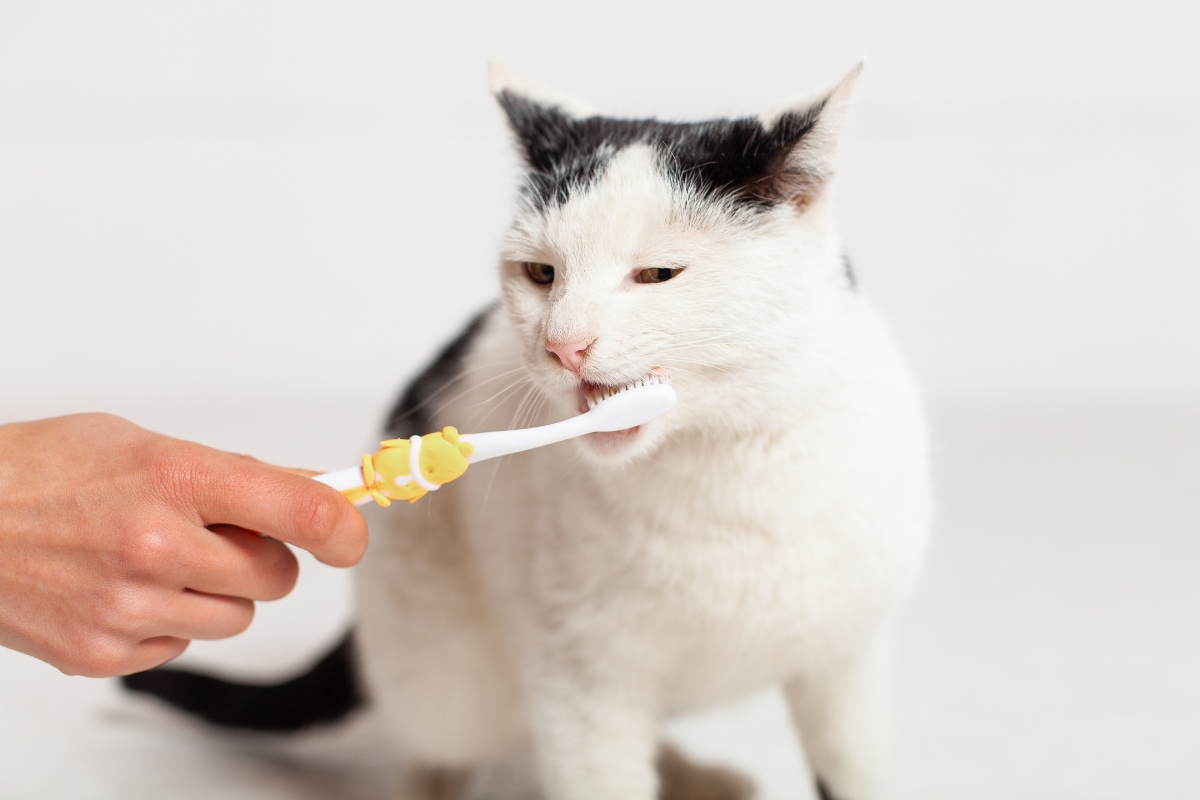
Regularly brushing your pet’s teeth is the most effective way to prevent dental problems. Use a toothbrush and toothpaste to ensure safety and comfort. Begin the process slowly and gently, and use kind words or positive reinforcement to make the experience pleasant for your pet.
2. Dental Chews and Toys
Dental chews and toys are great tools for reducing plaque buildup on your pet’s teeth. These items can massage your pet’s gums and clean their teeth as they chew. Look for products specifically designed to support dental health, and ask your veterinarian for advice on the best options.
3. Professional Dental Cleanings
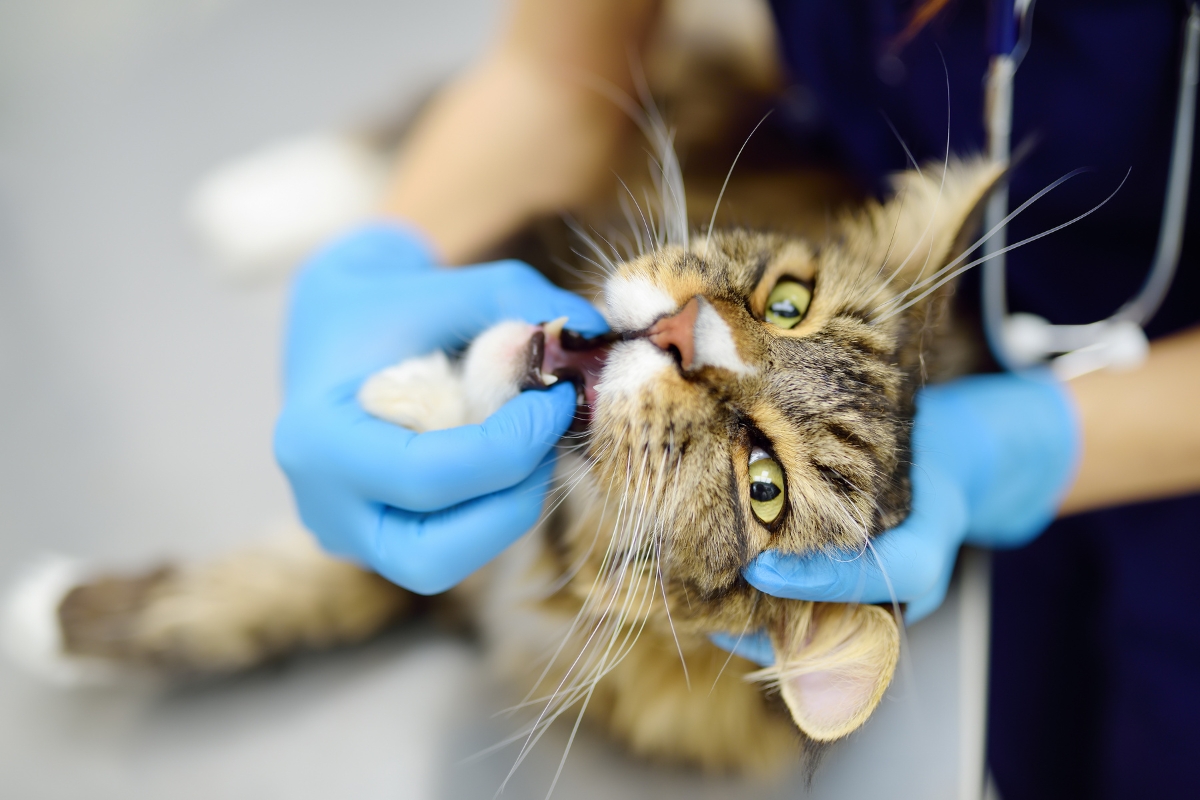
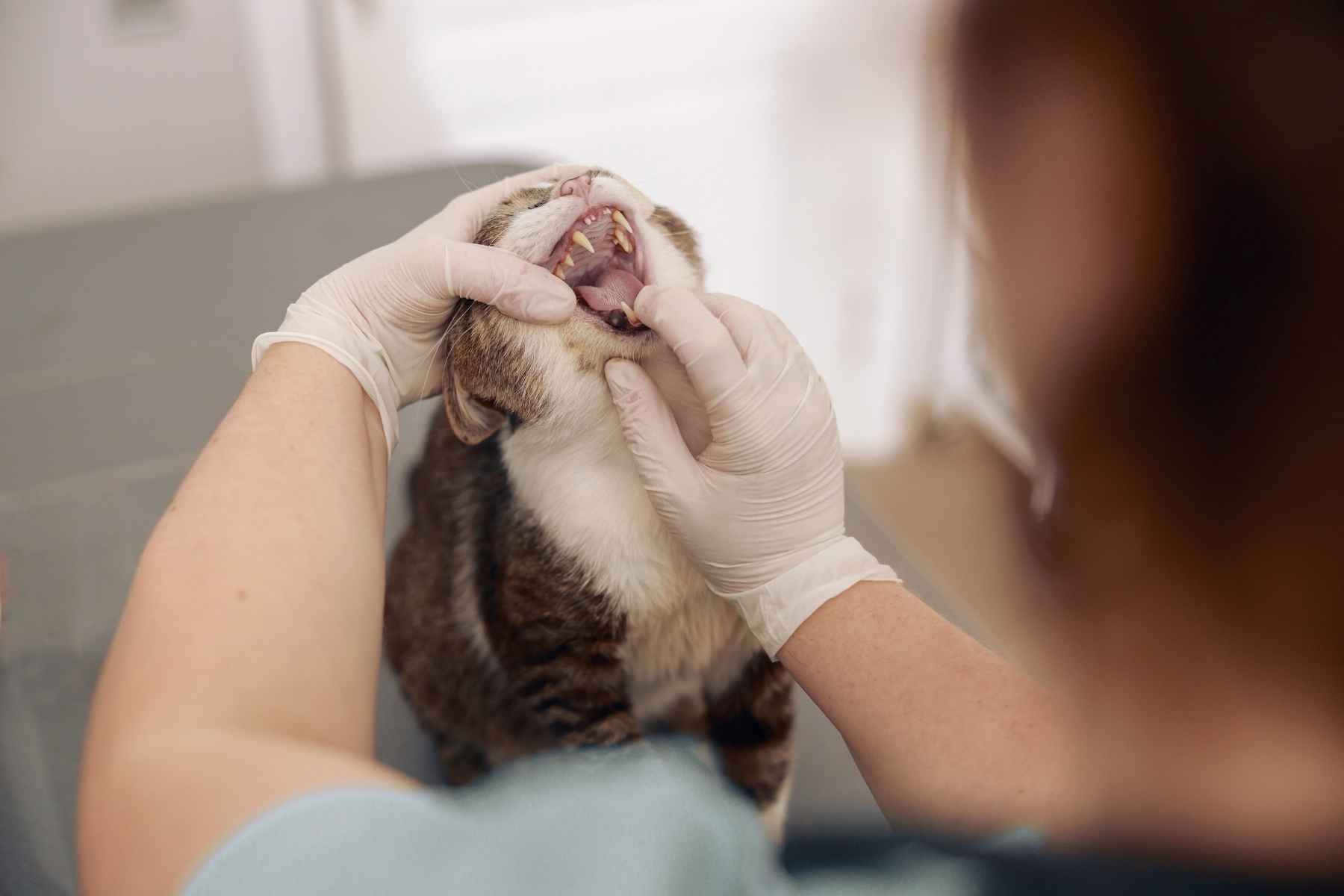
Just as people do, pets need professional dental care to stay healthy. At Borash Veterinary Clinic in Peabody, we perform detailed dental exams and cleanings to remove plaque and tartar that regular brushing cannot eliminate. Getting these cleanings once a year can help prevent dental issues and keep your pet comfortable and happy.
4. Healthy Diet
Maintaining your pet’s dental health depends on a balanced diet. Some pet foods are made to help clean teeth and reduce plaque buildup. It is essential to talk to your veterinarian about your pet’s diet to ensure it supports good oral health.
5. Routine Veterinary Checkups
Getting regular checkups is essential for catching dental issues early. During your pet’s yearly visit, the veterinarian will look at their teeth and gums carefully, watch for signs of infection, and suggest suitable treatments if needed.
Signs Your Pet May Need Dental Care
It’s essential to bring your pet to the veterinarian if you notice any of the following signs:
- Bad breath (halitosis)
- Difficulty eating or chewing
- Red or swollen gums
- Excessive drooling
- Pawing at the mouth
- Visible tartar or plaque
- Behavioral changes such as irritability or lethargy
In Peabody, where we understand how important pets are to their owners, it is crucial to seek quick care if any signs of dental disease appear to avoid further health issues.
Prevent Dental Issues With Regular Care
Pet dental health is significant because dental disease can cause pain and serious health problems if left untreated. At Borash Veterinary Clinic in Peabody, MA, we want to help you keep your pet’s teeth clean and healthy. Regular brushing, professional cleanings, and a good diet can help prevent dental issues and keep your pet comfortable and well for many years.
If you notice any signs of dental trouble or if it has been a while since your pet’s last dental check, please contact us to make an appointment. We are here to help ensure your pet’s dental health stays in excellent shape.
FAQs
Q1. How can I tell if my pet has dental disease?
Ans. Signs of dental disease in pets include bad breath, swollen or bleeding gums, difficulty eating, and excessive drooling. If you notice these symptoms, contact your veterinarian.
Q2. Can dental disease affect my pet’s overall health?
Ans. Yes, untreated dental disease can lead to serious health issues such as heart disease, kidney problems, and liver infections. Bacteria from the mouth can spread to other organs via the bloodstream.
Q3. How often should I have my pet’s teeth professionally cleaned?
Ans. Most pets should have a professional cleaning once a year, but some may need it more frequently, depending on their breed, age, and dental health.
Q4. Is it safe to brush my pet’s teeth every day?
Ans. Yes, daily brushing is ideal, but brushing several times a week can still help reduce plaque buildup and prevent dental disease.
Q5. Are there dental chews that help with plaque?
Ans. Yes, many dental chews are designed to help reduce plaque and tartar buildup. Consult your veterinarian for recommendations tailored to your pet’s needs.