
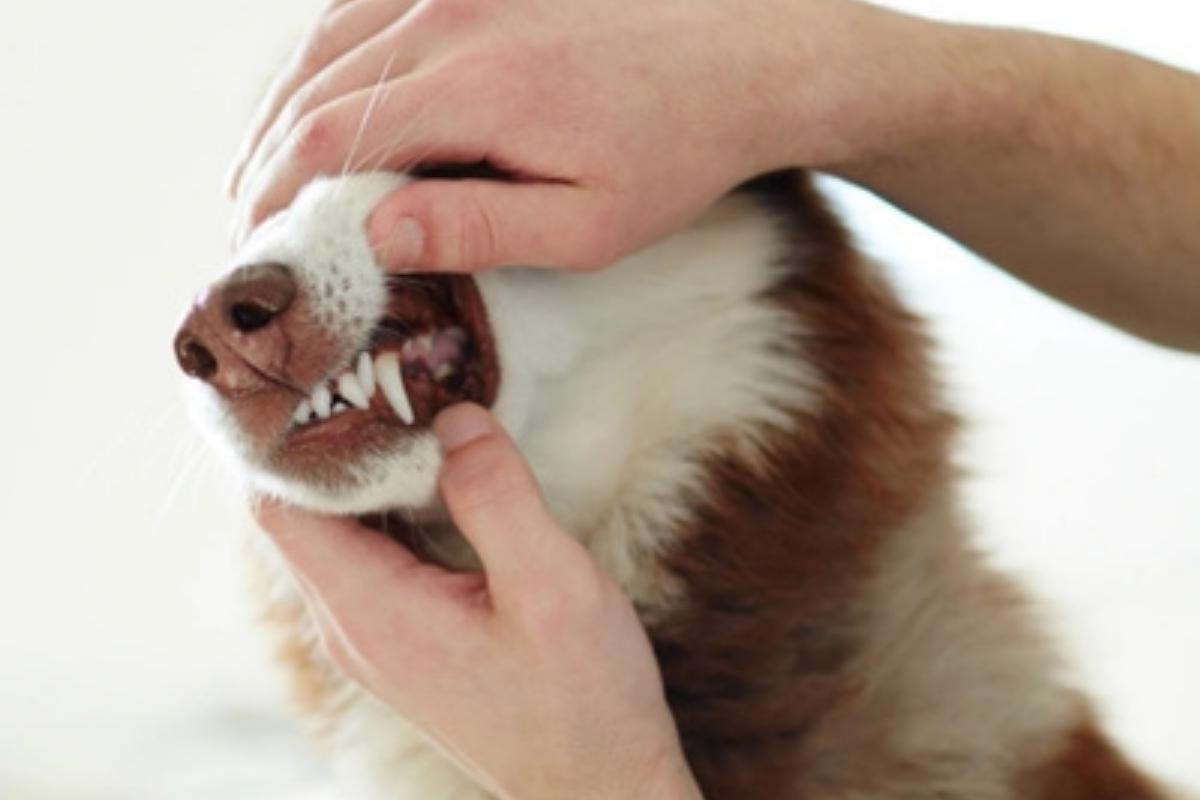
If your dog greets you with a loving lick but leaves behind an unpleasant odor, you’re not alone. Bad breath in dogs—also known as halitosis—is one of the most common concerns pet owners mention to their veterinarians. While it might seem like a simple nuisance, persistent bad breath can actually signal underlying dental or health problems. Understanding the cause and taking proactive steps can help your dog stay happy, healthy, and smelling fresh.
Why Dogs Develop Bad Breath
A dog’s bad breath typically stems from bacteria buildup in the mouth. When food particles and saliva mix, they form plaque, which can harden into tartar if not removed. This creates a breeding ground for odor-producing bacteria.
Other common causes include:
- Gum disease: Inflammation and infection of the gums are major culprits behind chronic bad breath.
- Poor oral hygiene: Without regular brushing, plaque and bacteria accumulate quickly.
- Dietary factors: Low-quality food, table scraps, or certain treats can worsen mouth odor.
- Health conditions: Diseases affecting the liver, kidneys, or digestive system may also contribute to foul breath.
If your dog’s breath smells unusually strong or changes suddenly, it’s time to take a closer look.
Early Signs of Dental Trouble in Dogs
Bad breath is often just the beginning. Dogs suffering from dental disease may show additional signs such as:
- Yellow or brown buildup on teeth
- Red or bleeding gums
- Drooling or pawing at the mouth
- Difficulty chewing or eating
- Loss of appetite
- Behavioral changes due to discomfort
Catching these signs early allows your veterinarian to treat dental issues before they become painful or advanced.
The Link Between Dental Health and Overall Wellness
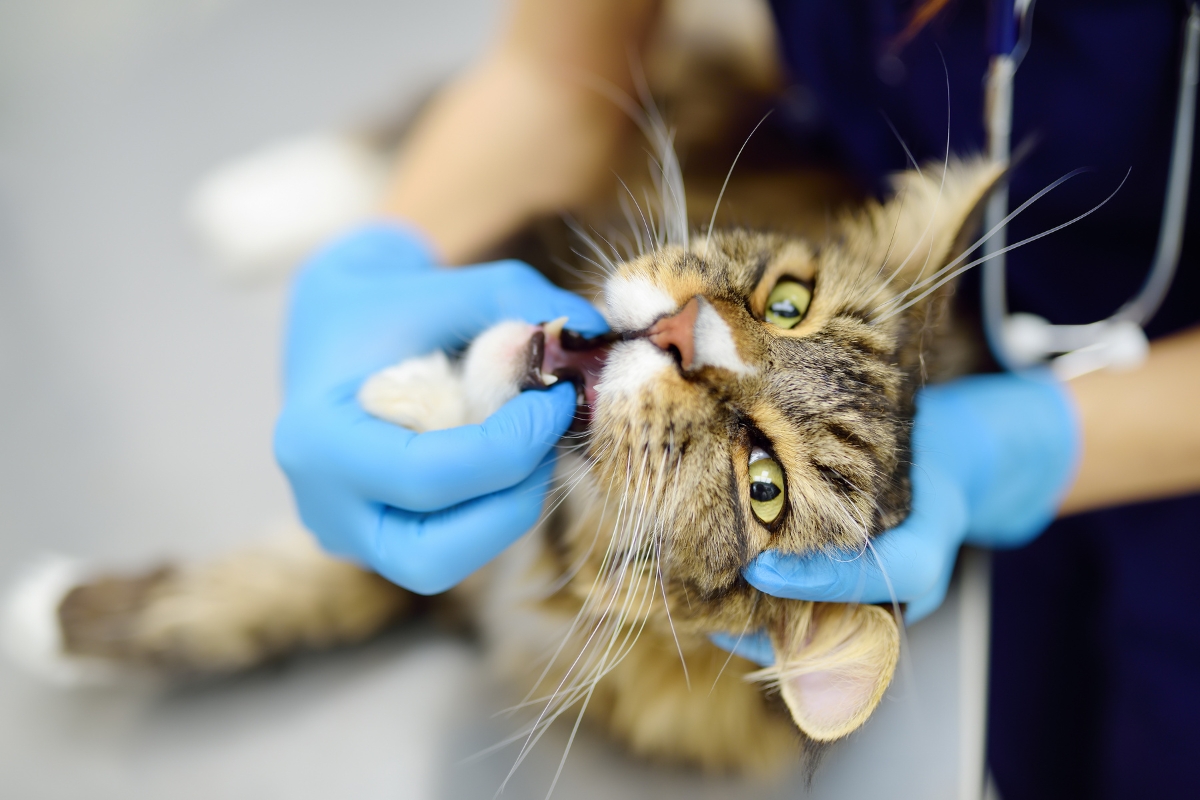
Dental health impacts more than just your dog’s mouth. Bacteria from periodontal disease can travel through the bloodstream and affect vital organs like the heart, liver, and kidneys. Without timely care, these dental issues can gradually progress into more severe health complications.
By addressing dental disease early, you’re not just improving your dog’s breath—you’re protecting their long-term health.
How to Prevent Bad Breath in Dogs
1. Brush Their Teeth Regularly
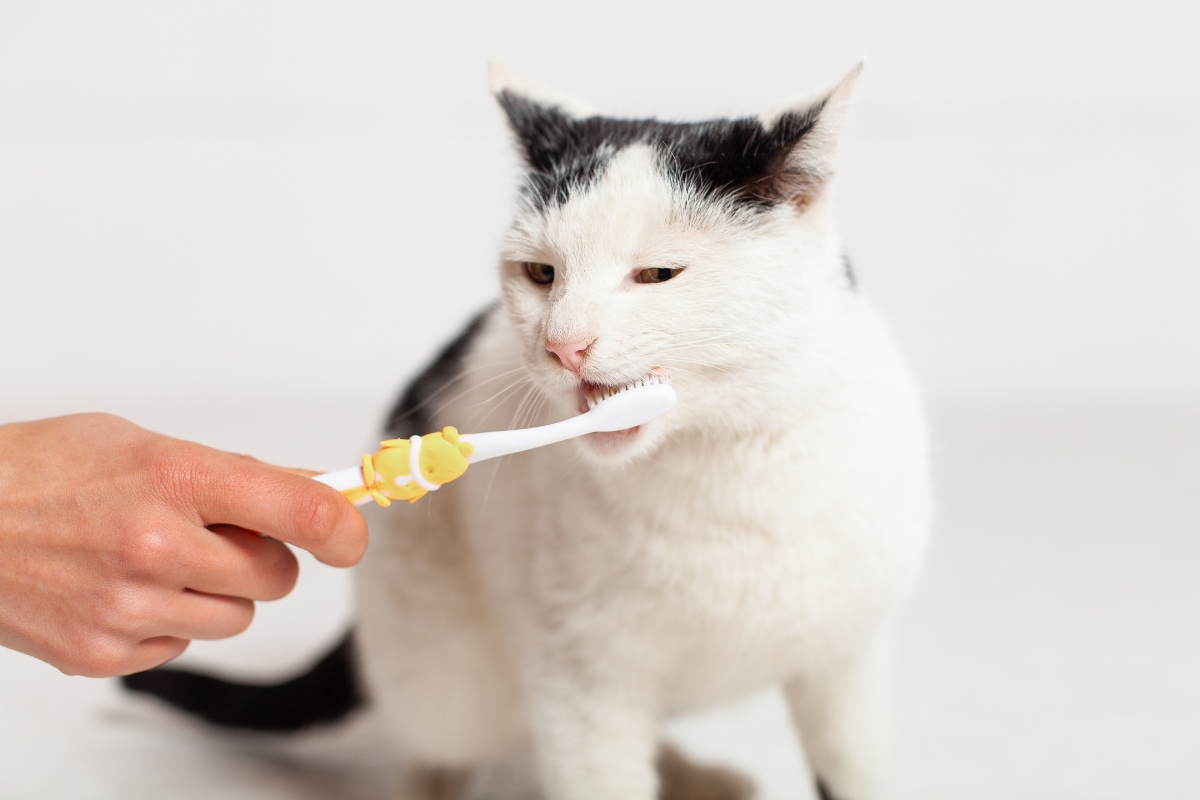
Regular tooth brushing remains the best defense against plaque and tartar accumulation. Use a pet-specific toothbrush and toothpaste—never human toothpaste, which can be harmful to dogs. Try to clean your dog’s teeth several times a week—daily if your schedule allows—for the healthiest results.
2. Use Dental Chews and Toys
Dental chews and rubber toys help reduce plaque naturally. Look for products with the Veterinary Oral Health Council (VOHC) seal, which ensures they’re proven to support oral hygiene.
3. Feed a Nutritious Diet
A balanced, high-quality diet supports your dog’s dental and overall health. Avoid sugary treats or table scraps that can promote bacterial growth.
4. Schedule Professional Dental Cleanings
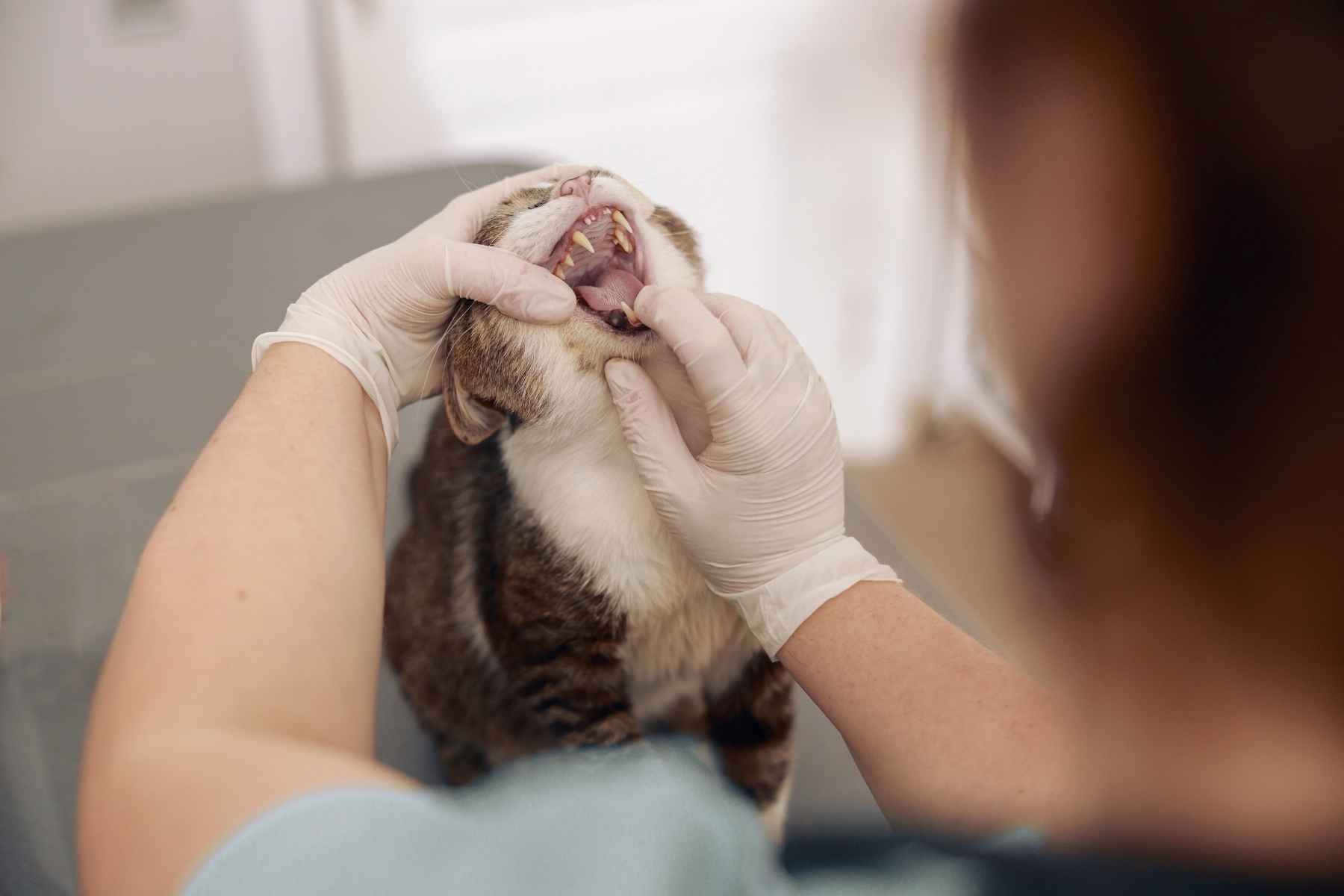
Even with regular home care, tartar can accumulate beneath the gumline where brushing can’t reach. Routine professional cleanings help remove deep plaque, prevent gum disease, and keep breath fresh.
5. Regular Veterinary Checkups
Annual exams are crucial for spotting dental issues early. Your vet may recommend dental X-rays or cleaning based on your dog’s breed, age, and oral condition.
Natural Ways to Freshen Your Dog’s Breath
If you’re looking to complement your dog’s dental routine, consider these safe, vet-approved home remedies:
- Parsley or mint: Adding a small amount to food can naturally freshen breath.
- Coconut oil: Contains antibacterial properties—use small, measured amounts.
- Water additives: Help reduce bacteria and plaque between brushings.
Always consult your veterinarian before introducing any new supplements or additives.
When Bad Breath Signals a Serious Problem
Persistent bad breath can sometimes indicate an underlying medical issue, not just oral bacteria. If your dog’s breath smells unusually sweet, ammonia-like, or metallic, it could point to conditions such as diabetes, kidney disease, or liver dysfunction.
Seek veterinary care immediately if bad breath is accompanied by symptoms like vomiting, lethargy, or loss of appetite. Early diagnosis and treatment are key to your dog’s recovery.
Bad breath in dogs is more than a smelly inconvenience—it’s a sign worth paying attention to. With consistent brushing, healthy nutrition, and professional dental care, you can protect your dog’s mouth and overall health for years to come.
If you’re looking for pet dental care in Peabody, MA, trust the experienced team at Borash Veterinary Clinic to provide gentle, thorough cleanings and preventive dental care that keep your dog’s smile bright and their breath fresh.
Frequently Asked Questions:
1Q: How often should my dog have a dental cleaning?
Ans: Most dogs benefit from an annual professional cleaning, but some breeds may need one every six months.
2Q: Does dry food help clean my dog’s teeth?
Ans: Kibble may reduce plaque slightly, but it doesn’t replace brushing or vet cleanings.
3Q: Can puppies have bad breath?
Ans: Yes, mild odor during teething is normal, but persistent bad breath might indicate infection.
4Q: Are dental chews enough to prevent bad breath?
Ans: They help, but brushing and professional cleanings are still essential for long-term oral health.
5Q: Can bad breath be linked to other diseases?
Ans: Yes. Dental bacteria can affect organs, and some systemic diseases cause distinct mouth odors.
6Q: What’s the easiest way to start brushing my dog’s teeth?
Ans: Start slowly, using your finger and a small dab of dog toothpaste. Gradually work up to a toothbrush, rewarding calm behavior.